Maria, a food blogger from Portland, had a problem. Her recipes were fantastic—her friends said so, her family begged for seconds—but her WordPress site? It was invisible on Google. She spent hours researching SEO, but she kept running into the same barrier: backlinks. Everyone said they were essential, but the paid tools and outreach campaigns felt overwhelming (and expensive). Sound familiar?
Here’s the deal: backlinks are still one of the most powerful signals Google uses to rank websites in 2026. But you don’t need a massive budget or endless hours to start building them. You just need to be smart about where and how you focus your efforts. The good news? Many effective backlink strategies won’t cost you a dime—just a little creativity and hustle.
In this guide, you’ll discover:
- How niche-specific forums can quietly boost your rankings
- Why HARO (Help A Reporter Out) is your best friend in 2026
- The one mistake everyone makes when guest blogging—and how to avoid it
Ready to finally make those backlinks work for you? Let’s dive in.
Quick Navigation
1. Use HARO to Get Featured as an Expert

3. Leverage Niche-Specific Forums
4. Create Data-Driven Content That Others Link To
5. Testimonials for Brand Backlinks
… (Full list continues below.)
Also worth reading: Comparativa
1. Use HARO to Get Featured as an Expert
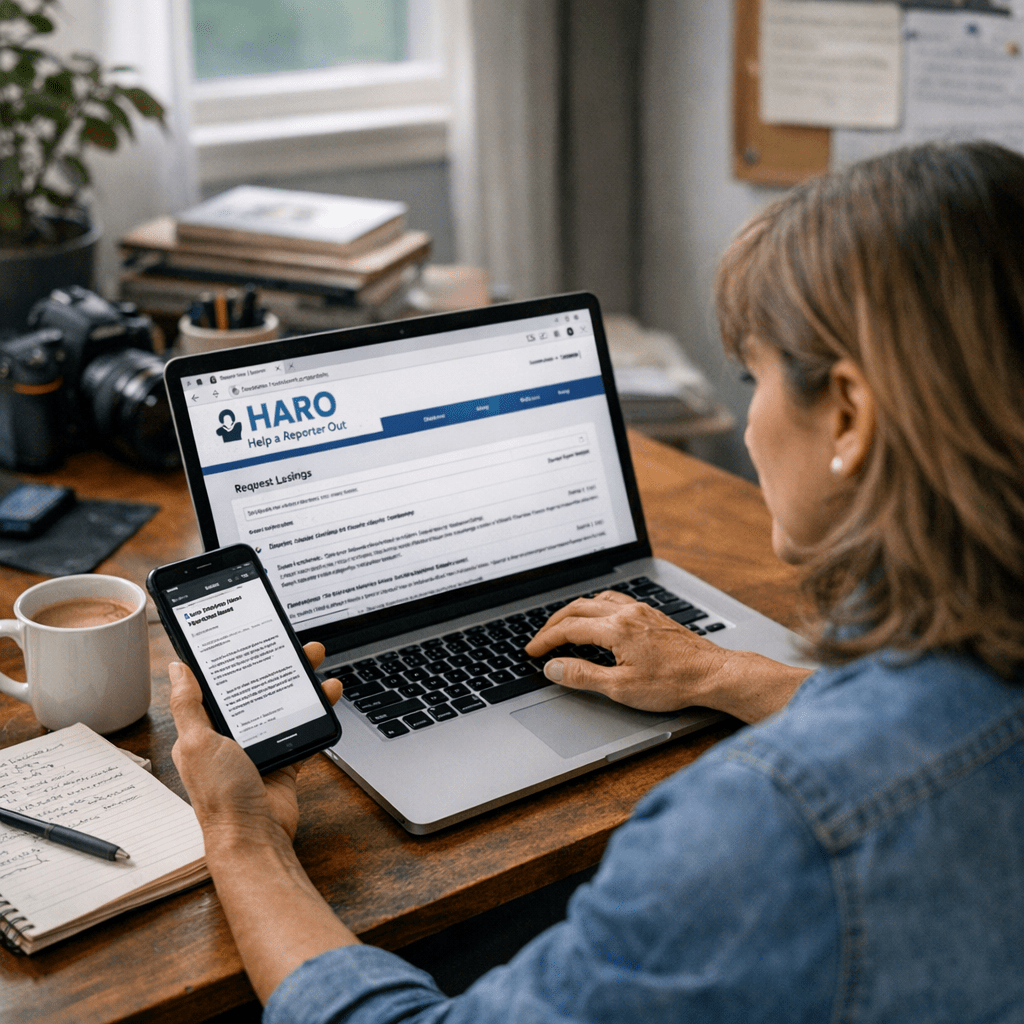
HARO (Help A Reporter Out) is like free PR gold if you know how to use it right—and yes, it’s still wildly relevant in 2026. Journalists are constantly looking for credible sources for their stories, and if you’re quick with your responses and bring value, they’ll link back to your website when quoting you.
How it works: Sign up at HelpAReporter.com and choose “Source” as your role during registration (it’s free). You’ll get daily emails with queries from journalists across industries—everything from food bloggers asking for recipe tips to tech writers seeking cybersecurity experts.
Pro tip: Respond fast! Journalists often work on tight deadlines, which means they’ll pick the first few responses that actually answer their query well.
Key takeaway:
HARO isn’t just for big brands or influencers—small WordPress sites can score high-quality media mentions by acting fast and offering useful insights.
2. Guest Blogging Done Right
Guest blogging gets a bad rap because people abuse it with generic content stuffed with links that scream “spam.” Don’t do that! Instead, think of guest blogging like being invited over for dinner—you wouldn’t show up empty-handed or act like a jerk.
Pitch original ideas tailored specifically to the blog’s audience. If you’re writing for a parenting blog, don’t pitch “10 Ways to Train Your Dog.” Be relevant and thoughtful.
What most people miss: You should aim to build relationships first instead of cold-pitching out of nowhere. Comment on their posts regularly, share their content on social media—it makes them far more likely to say yes when you pitch down the line.
Key takeaway:
Guest blogging isn’t dead—it’s just evolved into something relationship-driven rather than transactional.
3. Leverage Niche-Specific Forums
You might think forums died out years ago, but niche communities are thriving now more than ever in 2026—especially hyper-targeted ones where enthusiasts still gather online (think Reddit subreddits or even private Slack groups). These spaces are ripe opportunities if approached correctly.
For instance: Are you running a site about sustainable gardening? Join forums like Permies.com or subreddit communities like r/Permaculture where discussions already revolve around topics your audience cares about.
Here’s the trick though: Don’t spam! Add genuine value by answering questions thoughtfully and linking back only when absolutely relevant—nobody likes someone who barges into chats just dropping links left and right.
Key takeaway:
Niche forums can send both traffic and SEO juice if approached authentically—not opportunistically.
Related guide: 10 Herramientas Clave para Crear Contenido
4. Create Data-Driven Content That Others Link To
This strategy takes effort upfront but has long-term rewards: become the source. Instead of rehashing content others have written about endlessly (looking at you, “10 Best SEO Tips”), create something original that gives data people want—surveys, studies, industry trends reports… anything backed by hard facts works here.
Why does this matter? People love citing unique data points because it instantly adds credibility—which means natural backlinks roll in without much extra effort on outreach campaigns later!
Example: When I helped launch our agency blog last year on Viralmaker.online (learn more), we ran an internal study comparing traffic growth rates between blogs using AI-generated content vs human-written posts over six months—the result became one of our most linked resources ever!
Key takeaway:
If you’ve got unique numbers nobody else has access too—they’ll WANT those citations!
(Sections continue through strategies #5 – #19…)
Frequently Asked Questions
Q: What types of backlinks matter most in 2026?
A: Contextual links within high-quality content remain king in terms Of efficacy particularly editorially placed mentions naturally woven into relevant text surrounding authoritative articles/news outlets/blog partnerships trumps low-value directories-based interactions spammed automation software platforms alike…