




Building backlinks for a brand-new WordPress site can feel like shouting into the void. You’ve poured hours into creating great content, but without the right links pointing to your site, no one’s finding it. And let’s be real—just publishing posts and hoping people stumble across them isn’t a strategy; it’s wishful thinking.
Here’s the kicker: if you don’t actively work on building backlinks, you’re leaving your site to wither in obscurity. Search engines rely heavily on backlinks to determine whether your site is trustworthy and worth ranking. No links? No love from Google. But don’t worry—there are creative ways to quickly get quality backlinks without resorting to spammy tactics or waiting years for organic growth.
In this guide, we’ll cover:
- How to find easy backlink opportunities (that most people overlook).
- Smart strategies for leveraging content partnerships and PR hacks.
- The best tools and techniques we tested in 2026 that still work like magic today.
Let’s dive into some actionable ideas that’ll make your WordPress site impossible to ignore.
1. Use HARO (Help a Reporter Out)
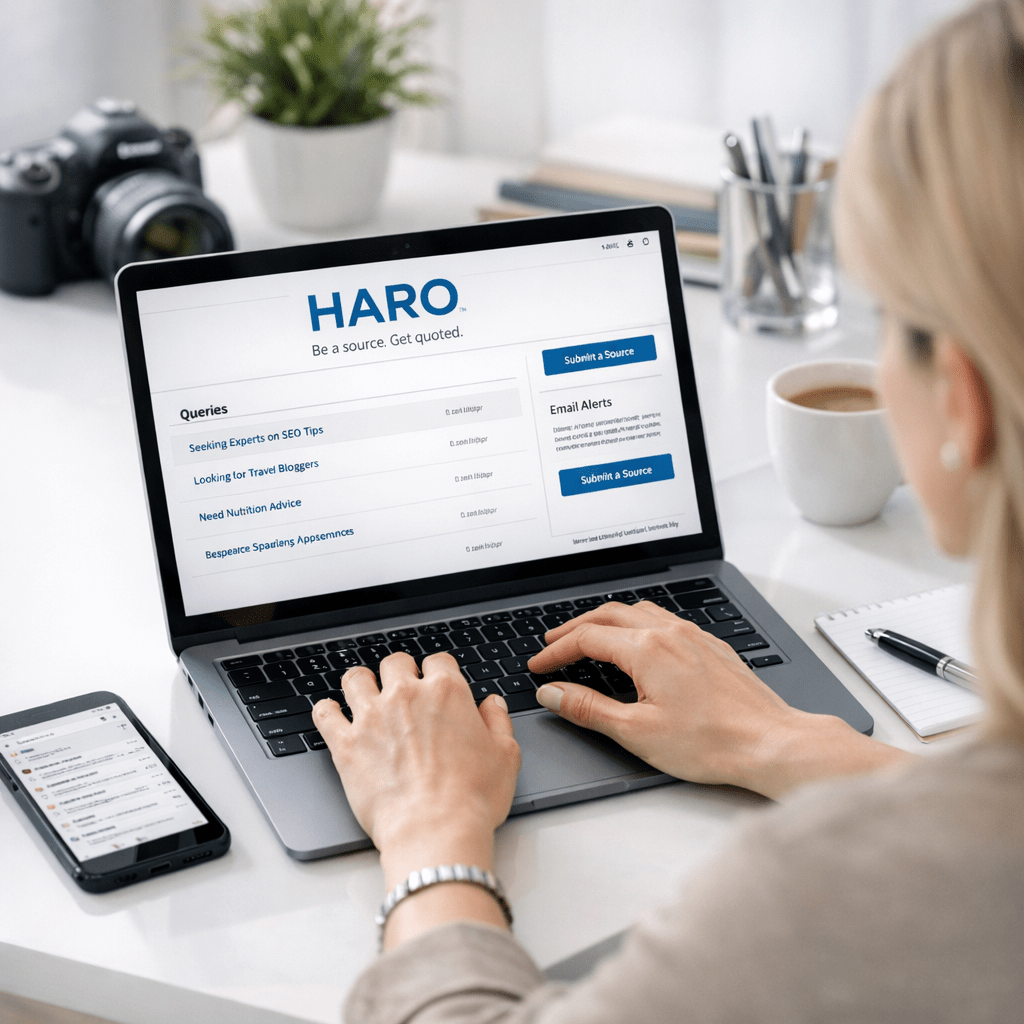
Journalists always need sources for their stories, and HARO (Help a Reporter Out) connects them with experts—you! Sign up as a source on Help a Reporter Out, and you’ll receive daily emails with journalist requests across various industries. Jump in when you see queries relevant to your niche, provide insightful responses (with credibility), and you’ll often earn yourself a backlink from high-authority publications like Forbes or Business Insider.
Also worth reading: Comparativa
Key takeaway: Responding consistently to HARO requests can land you free links from top-tier media outlets—a huge credibility boost for any new WordPress site.
2. Publish Industry Data or Reports
Here’s something I learned the hard way: data rules the internet in 2026 more than ever before. People love citing stats, especially bloggers who need trusted sources to back up their points. Conduct original research or surveys within your niche—this could mean polling users, gathering case studies, or analyzing trends—and publish the results online as an exclusive report or infographic.
For example: A food blogger could survey readers about their meal prep habits and share key findings like “78% of home cooks spend less than $50 per week on groceries.” Other bloggers will link back naturally when they reference your data.
Key takeaway: Becoming a go-to source of unique stats makes it easier than ever to attract organic backlinks.
3. Write Guest Posts That Actually Add Value
Guest blogging isn’t dead—it just got smarter. In 2026, successful guest posting is about quality over quantity. Hyper-focus on websites that share an overlapping audience but aren’t direct competitors (e.g., if you run a travel blog focusing on luxury resorts, pitch guest posts about packing tips to general lifestyle blogs).
Related guide: 10 Herramientas Clave para Crear Contenido
Also? Don’t just pitch generic topics like “10 Travel Tips.” Instead, find gaps in their existing content by using tools like Ahrefs’ Content Gap analysis feature—or even good old-fashioned manual research—to offer something fresh they haven’t covered yet.
Key takeaway: Guest blogging works if done strategically—focus only on mutually beneficial partnerships with specific angles tailored for each publication.

4. Offer Free Tools or Templates
Everyone loves free stuff they can actually use—and promo-worthy freebies are traffic magnets in 2026 more than ever before because of how competitive content marketing has become! Web-based tools (even simple ones built through no-code platforms) or downloadable templates related to what you write about can attract tons of natural backlinks over time as people recommend them within their own networks/posts/resources pages/social shares!