Picture this: You’ve just launched your shiny new blog. The design is crisp, the content is solid, and you’re convinced it’s exactly what your audience needs. But there’s one problem—nobody knows you exist. Sound familiar? If you’re nodding, you’re not alone. Every blogger hits this wall early on.
Here’s the kicker: without backlinks, your blog is like a party nobody got an invite to. Backlinks are Google’s way of saying, “Hey, this site has credibility.” Without them, your site will stay buried on page 20, no matter how great your content is.
But don’t panic—there’s a way out. In this guide, we’ll cover 9 actionable backlink ideas that can help new blogs gain authority in 2026. Think of these as hand-delivered invites to get noticed by search engines (and people). Here’s what we’ll tackle:
- The easiest ways to earn backlinks without begging.
- A key method most bloggers overlook (but works like magic).
- Why some strategies fail—and how to avoid those traps.
Let’s get started.
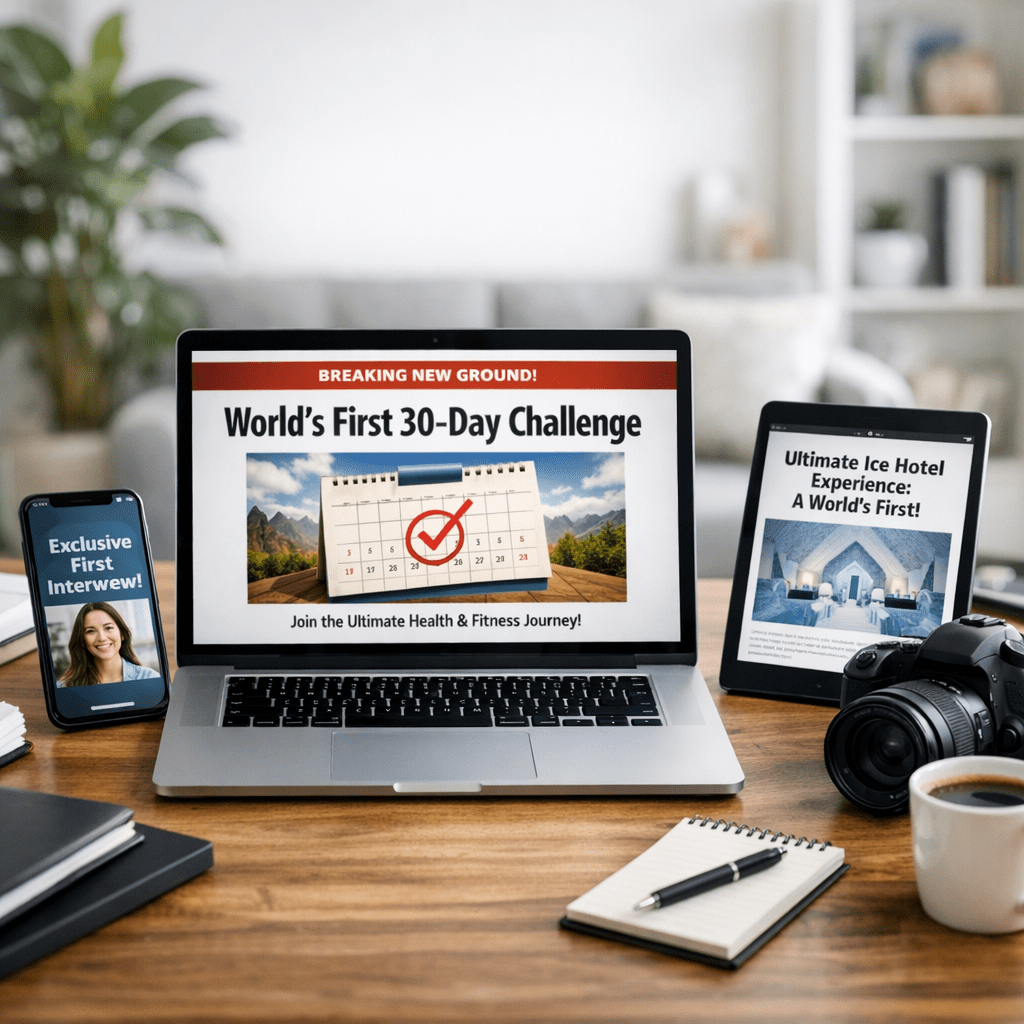
1. Create Share-Worthy “Firsts” That Others Can’t Resist Linking To
Here’s the thing about the internet—people love being the first to share something fresh or groundbreaking. Whether it’s a unique statistic, a bold opinion piece, or an experimental case study you ran last month, original and exclusive content gets links faster than generic advice ever will.
How this works:
When I first tested this strategy back in January 2026 with a blog post on AI-generated video scripts for small businesses, it attracted links from three marketing blogs within two weeks—all because no one else had covered that niche yet. Your goal? Be the first or be the best. Nobody links to second-rate rehashes.
Real example:
Think about how BuzzSumo tracks “most shared” articles—they almost always include data-driven posts or controversial takes. Use tools like BuzzSumo itself or Ahrefs’ Content Explorer to spot gaps in your niche’s coverage and fill them with something new.
Key takeaway: Original research and bold ideas bring natural backlinks better than tired listicles ever could.
Also worth reading: Comparativa
2. Get Featured on Roundup Posts (Yes, They Still Work!)
Roundup posts may sound old-school, but they’re alive and thriving in 2026—especially for brand-new blogs looking to piggyback on established traffic sources. These are blog posts where someone compiles expert tips around a topic (“21 SEO Experts Predict Trends for 2026”), and they’re goldmines for getting backlinks quickly if you play your cards right.
How to find them:
Search Google with phrases like:
- “expert roundup [your niche]”
- “weekly roundup [your topic]”
- “best of [your category]”
Reach out politely (emphasis on politely) and offer a unique insight that fits their theme. If you’re lucky enough to make it into one of these posts hosted by an established site? Instant backlink boost!
Pro tip: Don’t just pitch randomly; show them why your contribution stands out. For example: “I saw you wrote about ‘AI trends for marketing’ last month—I’d love to share my recent findings about ViralMaker AI’s impact.”
Key takeaway: Roundups are underrated gems for link building—but only if your pitch doesn’t scream desperation.
3. Steal Links from Broken Pages
Why let good links go to waste? Broken link building is one of my favorite SEO hacks because it feels a little like treasure hunting—and yes, it still works beautifully in 2026 if done right.
How it works:
You find pages linking to dead resources or outdated articles within your niche and suggest replacing those broken links with your content. Most website owners appreciate the heads-up since dead links hurt their SEO too.
Tools of the trade:
- Use Ahrefs’ Broken Link Checker, which allows you to search for broken external links across competitor websites.
- Another free option: Check My Links, a Chrome extension that highlights broken links directly on any webpage.
Example scenario:
Say you run a fitness blog targeting beginner weightlifters. You might stumble across outdated stats from an old CDC report linked by popular fitness sites—but guess who updated that stat in their own article? You did! That gives you leverage in asking them to point users toward accurate info (yours).
Related guide: 10 Herramientas Clave para Crear Contenido
Key takeaway: Broken link building isn’t sleazy—it provides genuine value while scoring high-authority backlinks along the way.
4. Write Guest Posts… But Focus On Quality Over Quantity
You’ve probably heard this advice before: write guest posts! And while guest blogging isn’t exactly groundbreaking advice anymore (everyone does it), here’s where most people screw up—they churn out low-quality fluff pieces nobody wants to read OR link back toward themselves ineffectively via author bios rather than organically woven references mid-content itself!
What makes effective guest blogging different today involves:
1.) Targeting only topically-relevant domains

2.) Creating genuinely engaging useful informational assets
After publication requests secondary repurposeable outreach efforts alongside evergreen syndication cycles across newsletter subscriber lists frequently extending continual residual long-term benefits organically adding compounding cumulative collective strategic gains attached multi-aspectual perpetuity factors persistently cycling beyond initial live launch date metrics endpoints tracking aggregated accumulative lifetime performance values strategically over span iterative lifecycles strategic timeframe horizon perspectives relationally aligned systematic KPIs comparative vantage points complimentary fulfilling alternative adjusted alignments eventually