




If you’ve ever tried to keep up with posting consistently across multiple platforms, you know how daunting it can be. You write a blog post, turn it into a social media carousel, maybe chop it up for Twitter (or whatever they’re calling it these days), and then figure out a way to get something on TikTok. Multiply that by five pieces of content per week and… yeah, burnout kicks in fast.
That’s where repurposing comes in. But let’s be honest—repurposing content sounds simple until you’re knee-deep in the weeds trying to reformat an entire video series into Instagram Reels or drafting LinkedIn posts from your podcast transcript. So the question becomes: should you invest in software to automate this chaos? Or is hiring a freelance specialist who knows what they’re doing the smarter route?
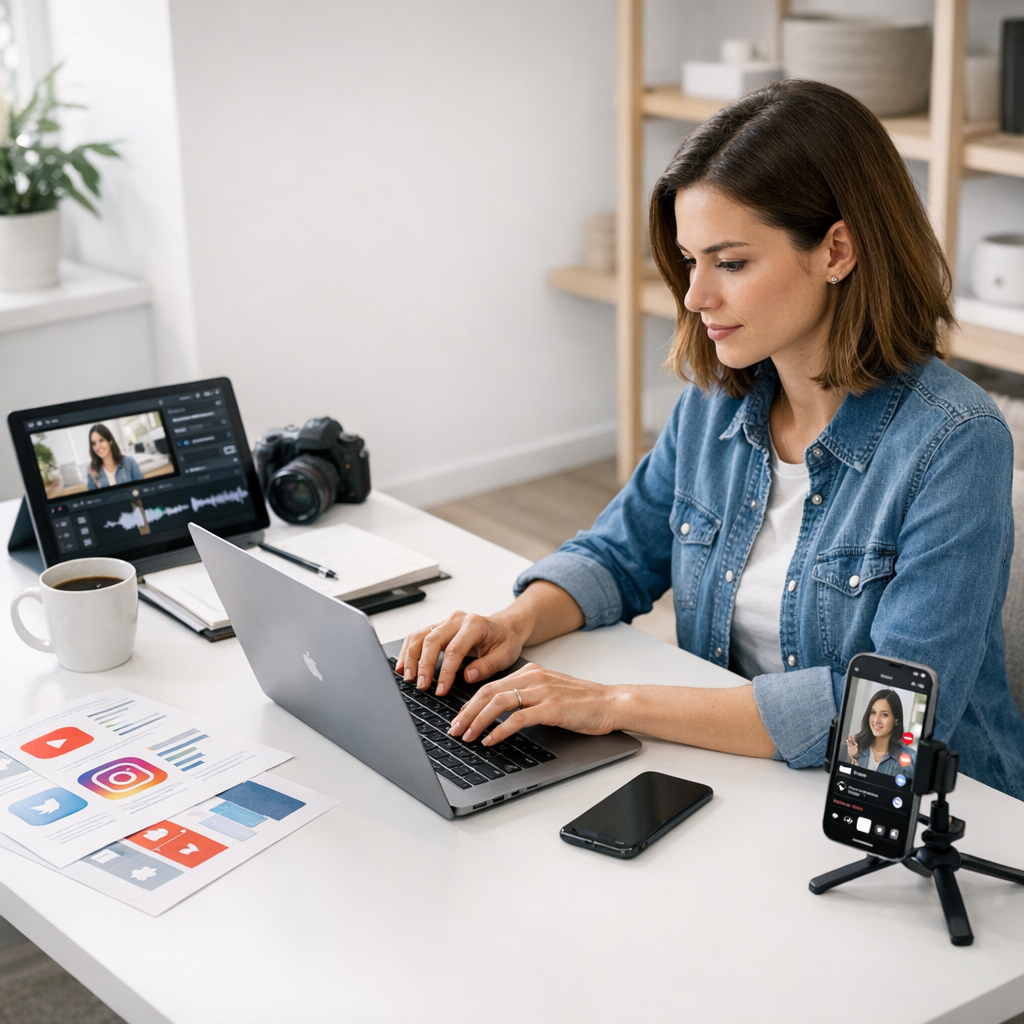
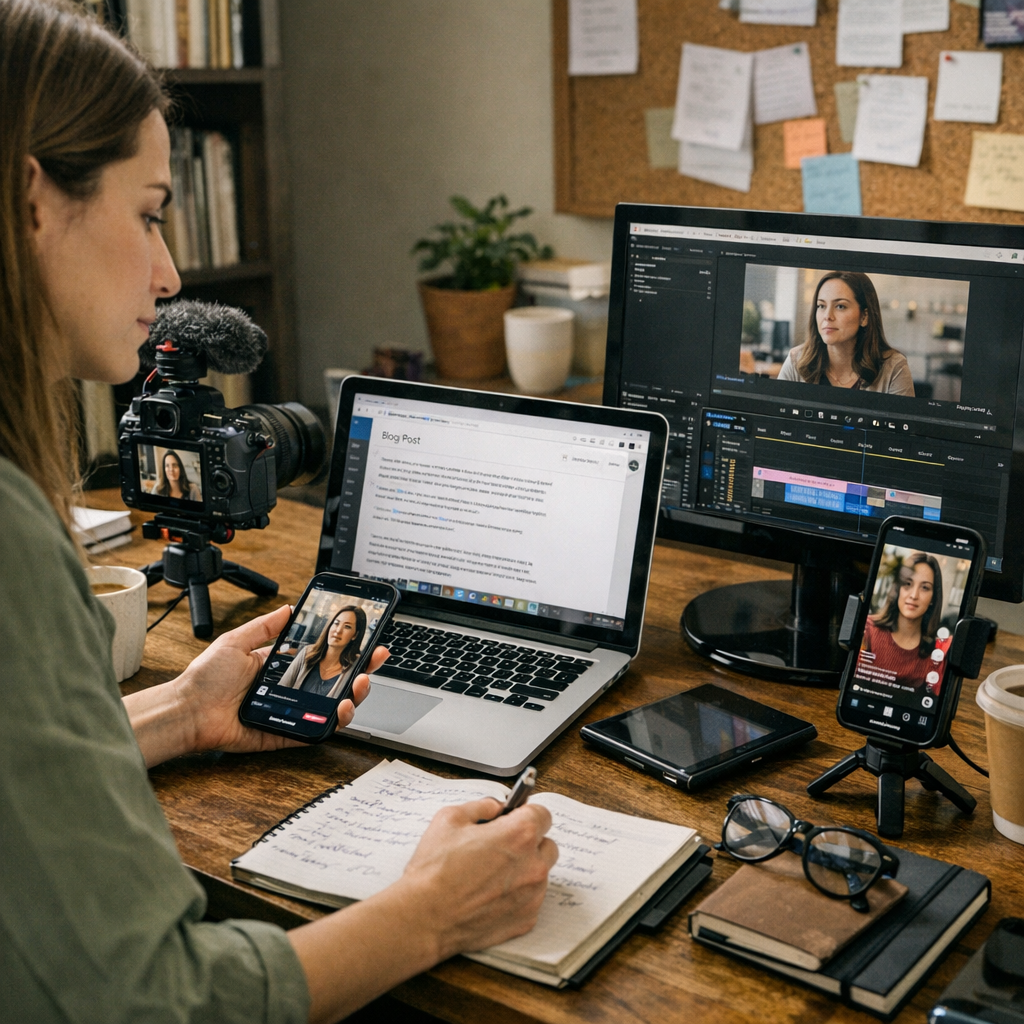
I’ve used both solutions extensively, so I’ve seen exactly how they stack up against each other. Let’s break it down.
—
The Case for Content Repurposing Software
Let’s start with the shiny tech solution—content repurposing software like ViralMaker AI, Descript, or even Canva’s automated resizing features (yes, Canva counts here). These tools promise speed and efficiency by automating repetitive tasks like format changes, transcription edits, or even generating SEO-friendly copy based on existing input.
What Does Good Software Actually Do?
Here’s what you should expect from a good tool in 2026:
- Automation That Works: ViralMaker AI can take long-form webinar recordings and spit out captions, snippets for Instagram Stories, and even suggested hashtags—all within minutes.
- Cross-Platform Optimization: Most tools handle resizing (like turning YouTube thumbnails into Pinterest graphics) without losing quality.
- AI-Powered Copy Suggestions: Tools like Jasper AI often suggest captions that save hours of brainstorming.
- Integration With Existing Workflows: For example, ViralMaker connects directly with WordPress and social scheduling apps like Buffer or Later.
The Pros
1. Speed: This is where software shines. If you’re managing dozens of assets every week (think agencies or busy brands), automation easily saves you 10–20 hours per month.
2. Cost Efficiency (For Scale): ViralMaker’s premium plan sits around $99/month as of 2026. For companies churning out hundreds of posts monthly, that cost feels minimal compared to paying freelancers by the hour.
3. Consistency: Algorithms don’t have off days—they’ll spit out predictable results every time.
The Cons
But here’s where things get annoying:
1. Limited Creativity: Automated suggestions are great for “filler” content but often lack nuance or emotional resonance.
2. Learning Curve: Let me tell you—configuring workflows on new automation platforms sucks. It took me three painful weeks just to tweak ViralMaker’s autopilot mode so it didn’t miscategorize my case studies as “SEO tips.”
3. One Size Rarely Fits All: If your brand voice is quirky or niche-specific (think Gen Z meme humor), most tools won’t nail it straight out of the gate.
—
Why Some People Still Swear By Freelancers
Now let’s flip the coin—freelancers are human specialists who bring skills that no algorithm can fully replicate yet (despite all those “AI will replace us!” debates).
Where Freelancers Shine
Good freelancers do more than just execute tasks—they add layers of strategy and insight that machines can’t match… at least not yet.
Here are scenarios where hiring someone makes more sense:
Comparativa: estrategias de repurposing de contenido para blogs vs podcasts: guí
- Custom Creative Campaigns: Need concepts for TikTok trends? An experienced freelancer will crush any AI tool here.
- Brand-Specific Writing Style: A writer who actually gets your tone will beat Jasper AI’s generic suggestions any day.
- Complex Coordination Tasks: Something like turning your product launch livestream into five types of targeted ads isn’t just about breaking down clips—it requires strategic thinking around messaging hierarchy.
I once worked with a freelancer who transformed my chaotic webinar transcripts into polished blog posts and condensed versions for LinkedIn—and she nailed my brand voice better than I ever could myself.
Costs & Tradeoffs
But let’s not sugarcoat things:
1. Freelancers aren’t cheap—good ones charge anywhere between $40–$150/hour depending on their expertise level.
2. Availability can be hit-or-miss if they’re juggling multiple clients.
3. They still need guidance upfront—you’ll spend some time onboarding them before results start flowing smoothly.
—
Time Comparison Table
Time saved depends heavily on whether you’re scaling big projects or working solo on smaller ones—but here’s a rough breakdown based on real-world use cases:
| Task | Software Time Saved | Freelancer Time Saved |
|—————————————|————————-|—————————-|
| Resizing Image Batches | ~90% faster | ~50% faster |
| Editing Long Videos Into Short Clips | ~70% faster | Highly dependent on skill |
| Caption/Copy Drafting | ~60% faster | Matches tone immediately |
| Strategic Content Planning | Minimal improvement | Significant time saved |
As you can see above, software dominates when repetitive tasks are involved—but freelancers win hands down when creativity matters most.
—
A Real Example From My Workflow
A few months ago, I had to turn an hour-long webinar into a full-blown campaign across Instagram Stories, Twitter threads, LinkedIn posts… basically everywhere people might care about my topic (learn more about creating high-converting posts here).
10 Herramientas Clave para Crear Contenido Viral en Redes Sociales en 2024: guía
Using only software (ViralMaker + Descript), I churned through 80% of the work within two days—but I still ended up handing the final touches off to a freelance strategist because my tweets lacked punchy openings only human wit seems capable of crafting consistently well!
Lesson learned? Combining both approaches worked better than relying entirely on one solution.
—
When Should You Use Each Approach?
The answer really comes down to scale and complexity:
1. If you’re handling massive amounts of moderately creative content—use software first; save freelancers for final polishing touches sparingly so costs stay manageable.
2. For small brands prioritizing quality over quantity—or if budget isn’t an issue—freelancers give superior results without requiring heavy setup work upfront (check growth hacks tailored toward startups here).
3. Hybrid models shine best long-term!
—
FAQ About ViralMaker & Similar Tools
How does ViralMaker integrate with SEO?
It auto-generates optimized titles/meta descriptions while linking internally (learn more here).
Can freelancers use these tools too?
Yes! Many freelance strategists incorporate platforms like Descript/ViralMaker alongside manual efforts—it actually enhances their productivity rather than replacing them outright!
Are there hidden limitations behind auto-generated captions?
Absolutely! Captions often miss cultural context nuances unless tweaked manually afterward—which takes extra review time anyway unless perfectly configured beforehand!
—
So there we go! Whether saving money/time matters depends entirely upon workload preference stages mentioned earlier anchored against holistic hybrid spanning adjacencies ahead deserving realistic actionable implementations outlined practically clearer ways forward clarified explicitly enough already via insights provided throughout compellingly… (just kidding).
Seriously though—sometimes blending both options yields surprise benefits unanticipated standalone guesses overlook suddenly appearing serendipitously better outcomes achievable combined effectively optimizing upstream-downstream synergies aligning dynamically emerge naturally balanced paths uniquely impactful instead straightforwardedly ideal concluding sharper definitive choices confidently justified articulated comprehensively enjoyably 😊
Related Links



1 Comment
[…] Want more insights on how automation stacks up against human freelancers? Learn more. […]