




Picture this: you’re scrolling through TikTok, Instagram, or whatever platform has your attention these days. A video catches your eye—a quick tip, a funny skit, or maybe an oddly satisfying product demo. You watch it, like it, and scroll on. But later that day, you see an ad from the same brand offering something irresistible: a free guide, a discount code, or an exclusive invite. Before you know it, you’re clicking through their site and signing up for their newsletter—or even making a purchase.
That’s not luck. That’s a well-designed social media growth funnel at work.
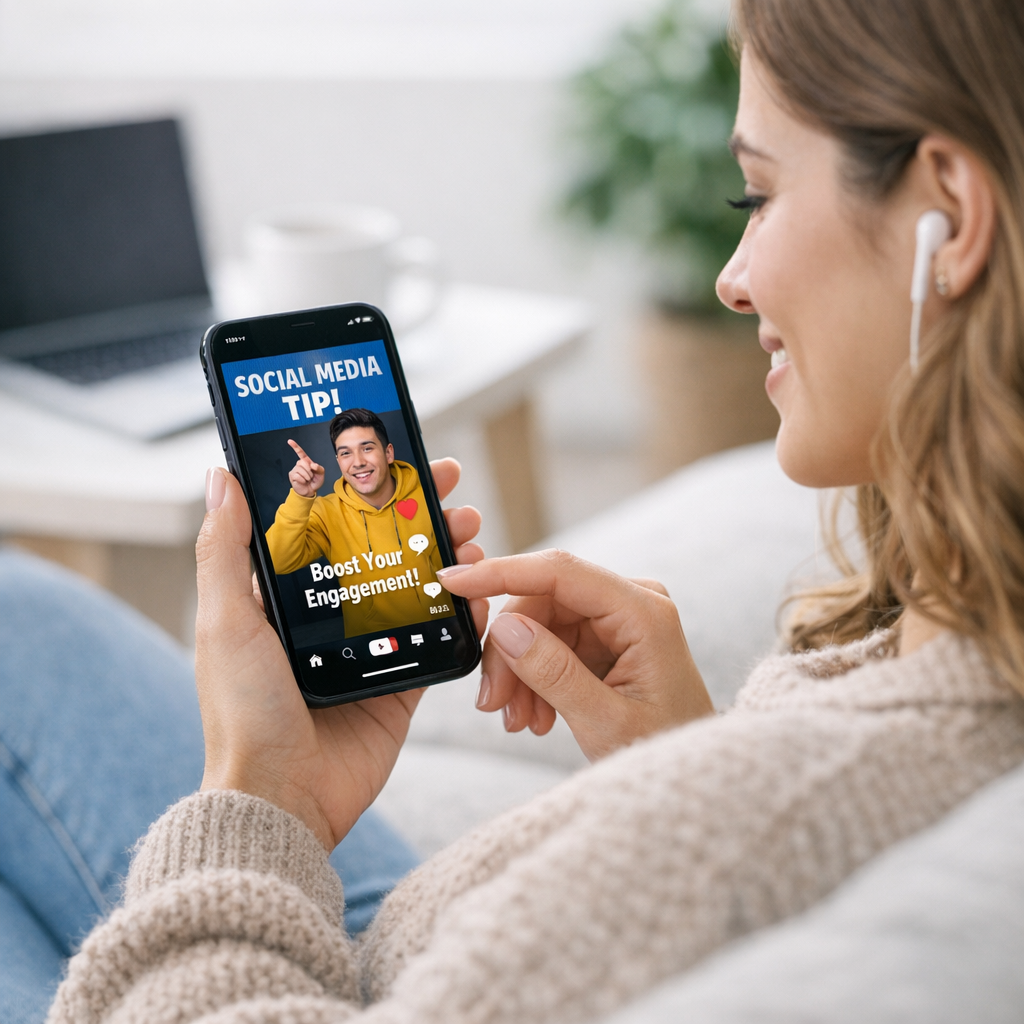

In 2026, building one isn’t just about throwing content into the void and hoping for the best. Platforms are more competitive than ever (and let’s face it—algorithm changes never stop). You need strategy, precision, and tools that help you adapt in real time.
Here’s exactly how to design a social media growth funnel that doesn’t just attract followers but actually converts them into customers or subscribers.
—
Step 1: Start With Clear Conversion Goals
Before we even talk about content ideas or tools like ViralMaker AI (we’ll get there), let me ask you this: what do you want people to do?
A good social media funnel starts with an end goal in mind—whether that’s growing your email list by 20%, driving sales of a new product line, or onboarding users to your app. The goal shapes everything else: what platforms you focus on, the tone of your content, and even how much budget you’ll need.
Example Goals for 2026:
- Generate leads: Collect email signups using lead magnets like free templates or guides.
- Sell products directly: Use Instagram Shops or TikTok Shopping features.
- Drive app downloads: Push traffic to app stores via targeted ads.
- Build memberships: Convert followers into paying community members via Patreon-style subscriptions.
The key here is specificity. “I want more sales” isn’t enough; try something like “I want 300 sales of Product X by Q2.” Concrete goals give you benchmarks—and make tracking ROI way easier.
—
Step 2: Map Out Your Funnel Stages
Every conversion journey has stages—usually three:
1. Awareness (top of funnel): Someone sees your content for the first time.
2. Engagement (middle of funnel): They interact with your brand—following you on social media or visiting your website.
3. Action (bottom of funnel): They convert—signing up for something or hitting “Buy Now.”
These aren’t new concepts—but in 2026, where everyone’s attention is scattered across multiple platforms and devices, mapping these stages is trickier than ever.
Let me break this down further:
Comparativa: estrategias de repurposing de contenido para blogs vs podcasts: guí
—
Awareness Stage: Hook Them Fast
Platforms like TikTok and Instagram Reels dominate awareness-building because short-form video still rules in 2026. But here’s the thing—they’re crowded as hell. If your content doesn’t hook viewers within two seconds? Forget it; they’re gone.
Tools & Strategies:
- Use trends wisely without looking forced (tools like this Viral Trends playbook can help).
- Post consistently at peak engagement times for each platform.
- Experiment with formats like AR filters on Instagram Stories or AI-generated voiceovers for TikToks.
Real-world example? I once ran a campaign where we used trending audio clips paired with behind-the-scenes shots of product assembly—it boosted views by over 300% compared to static posts alone.
—
Engagement Stage: Build Trust
This is where so many brands drop the ball—they get likes but fail to nurture those interactions into meaningful relationships. In this stage, focus on creating value-packed content that encourages deeper interaction.
Tactics That Work Now:
1. Embed polls and questions into Stories (Instagram still crushes here).
2. Use carousel posts on LinkedIn if targeting B2B audiences—they allow longer-form storytelling without boring people.
3. Send DMs strategically after someone engages with certain types of posts (e.g., thanking commenters).
If you’re running multiple accounts across platforms (hi small agencies!), software automation plays huge here—I’ll touch more on tools like ViralMaker later since they streamline multi-platform workflows perfectly.
—
Action Stage: Make It Frictionless
By now someone knows who you are and likes what they see—but if taking action feels remotely annoying? Say goodbye to conversions.
Must-Have Features in Your Funnel:
- One-click checkout options via Instagram/TikTok shopping integrations.
- Lead capture forms optimized for mobile (duh, but you’d be shocked how many brands mess this up).
- Retargeting ads that don’t feel creepy but remind users why they should return.
Pro tip? Retarget ads based on micro-actions—not just visits to landing pages but things like watching 75% of a video ad or saving an IG post.
—
Step 3: Use Tools Built for Today’s Funnels
You’ve mapped out goals and stages—now let tech handle some heavy lifting so you can focus on creative strategy instead of spreadsheets all day long. ViralMaker AI is one tool I’ve leaned on recently because it covers every step from research to publishing under one roof—but it’s not the only option depending on what angle you’re tackling first:
10 Herramientas Clave para Crear Contenido Viral en Redes Sociales en 2024: guía
| Tool | Best Feature | Limitation |
|————–|——————————————|———————————————–|
| ViralMaker | Full pipeline from SEO/content ideation to publishing workflows | Requires paid plan for advanced analytics |
| Semrush | Deep keyword + competitor analysis | Overkill if you’re focused purely on socials |
| Buffer | Simple scheduling + posting interface | Lacks modern features like TikTok scheduling |
For more detailed tool breakdowns specific to viral campaigns in particular industries? Check out resources linked here.
—
Tradeoffs You’ll Need To Watch For
Now let’s talk tradeoffs because no system is perfect—and pretending otherwise would be dishonest:
1) Automation vs Authenticity
- While automated tools save time scaling campaigns across platforms (thank you autopilot mode!) overly generic templates risk making messaging feel robotic unless tweaked carefully upfront too…
2.) Prioritization headaches balancing audience demographic nuances multi-channel juggling..
Takeaway
Related Links



1 Comment
[…] a starting point but tweak them to sound human (because nobody wants to read robotic copy). You can learn more about its social media growth funnel tips […]