
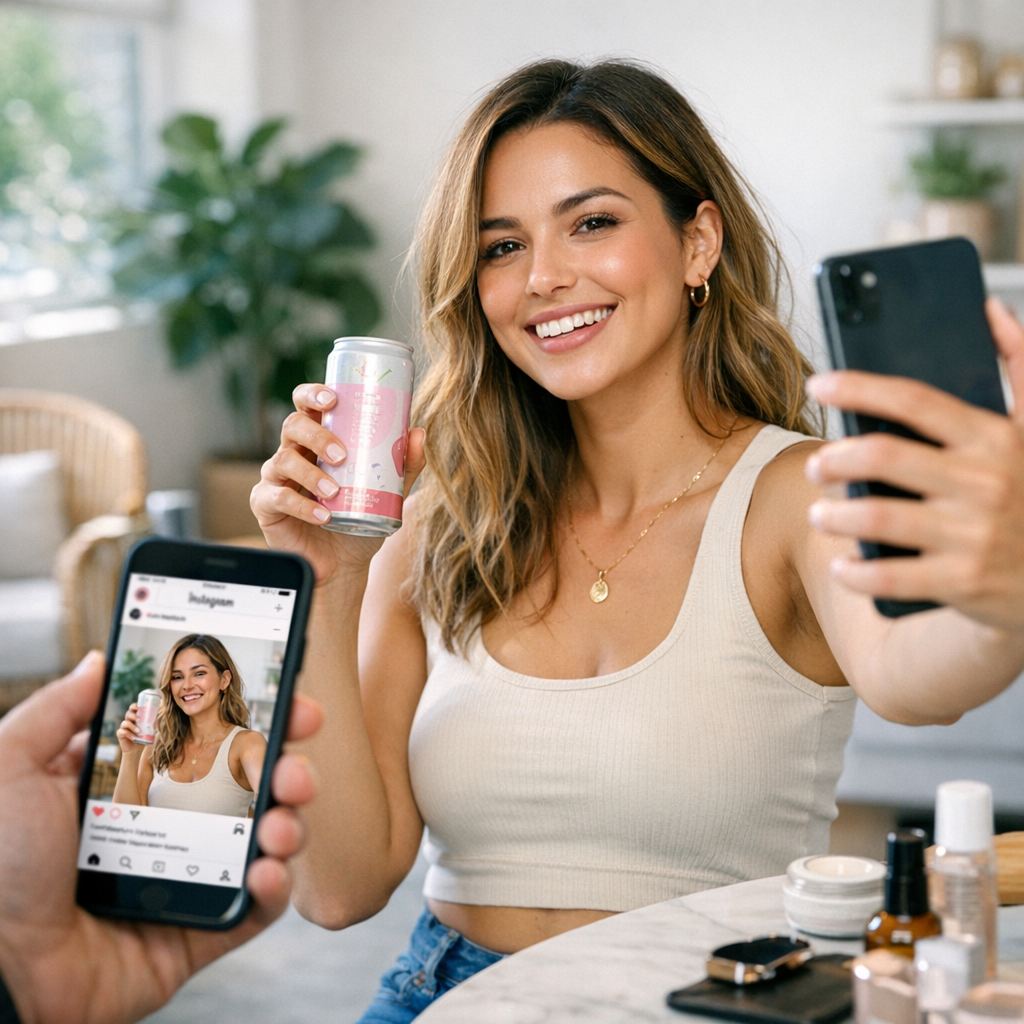
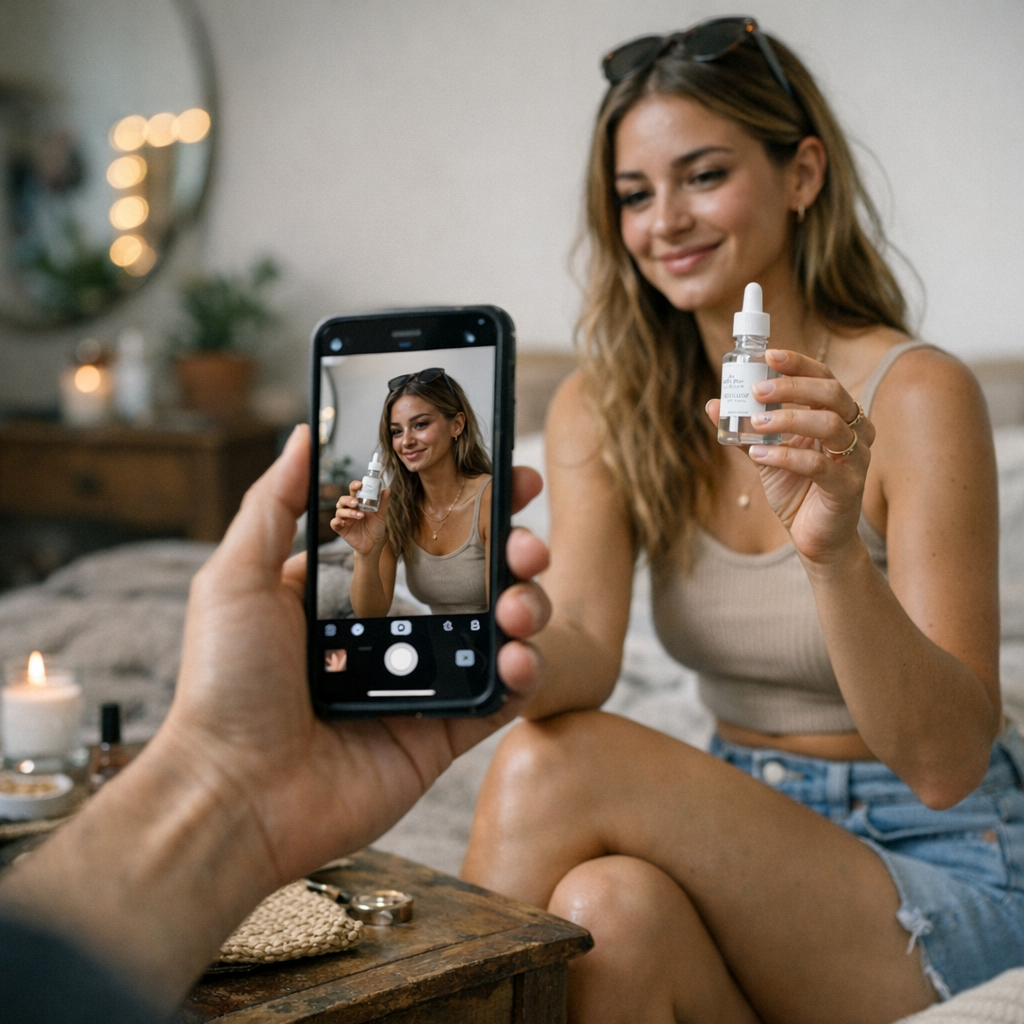
Imagine this: You’re scrolling through Instagram, and a post catches your eye. It’s not from a celebrity or a massive influencer with millions of followers. It’s someone with maybe 15,000 followers—someone who feels approachable, relatable, even trustworthy. Their caption is personal, their recommendation genuine. You click the link in their bio or swipe up on their story and—you’re sold. That’s the magic of micro-influencers in 2026.
But scaling your growth using micro-influencer collaborations isn’t as simple as firing off DMs and hoping for the best (please don’t do that). It requires strategy, nuance, and yes—a bit of trial and error. Let me walk you through what works now, what doesn’t anymore, and where brands are finding success.
—
Why Micro-Influencers Are Still Winning
Here’s the thing: Micro-influencers (those with roughly 10K–50K followers) have always been underrated compared to their macro counterparts. But in 2026? They’re not just “nice-to-have.” For many brands pushing Instagram growth, they’ve become the backbone of campaigns—and for good reason.
1. They feel authentic: Followers trust micro-influencers more because they aren’t celebrities living unattainable lifestyles. A recommendation from them feels like advice from a friend rather than an ad shoved into your face.
2. Better engagement rates: According to Influencer Marketing Hub’s Q1 report this year, micro-influencers average engagement rates around 3–4%, compared to mega influencers who hover closer to 0.8%. That engagement translates directly into conversions.
3. Cost-effective collaborations: You’re not dropping $100K on a single post (looking at you, Kardashian-level influencers). Many micro-influencers charge anywhere between $200–$2K per campaign depending on niche and deliverables.
—
What Changed This Year?
Let’s talk trends because how brands collaborate with influencers has shifted dramatically since last year:
Platform-Specific Focus
Instagram has leaned hard into short-form video formats like Reels, which now account for over 40% of time spent on the app according to Meta’s Q2 earnings call for 2026. Micro-influencers that can create compelling Reels—whether it’s quick tutorials or behind-the-scenes content—are gold mines for brands looking to capture attention fast.
AI Tools Are Everywhere (But Don’t Over-Rely)
Brands are using AI-powered tools to identify influencers who align with their values faster than ever before—but here’s where it gets tricky. These tools often prioritize follower counts over real engagement metrics or niche expertise. I’ve tested several platforms myself this year, and while they save time initially, human review is still essential unless you want mismatched partnerships that flop publicly.
Want more ideas? Check out this guide on affordable content repurposing tools—some could even help you recycle influencer-generated posts across other formats.
—
How To Find The Right Influencers
Not every influencer fits every brand—a mistake I learned early when I worked with someone whose audience had zero overlap with my target market (rookie move). So how do you avoid wasting money?
Start With Audience Fit
This isn’t just about demographics; it’s about intent alignment too! For example:
- A fitness gear brand shouldn’t just look at “fitness influencers”—they should narrow down further into niches like CrossFit enthusiasts or yoga instructors.
- Food brands targeting Gen Z vegans will want creators whose followers actively comment things like “omg I need this recipe” instead of generic likes.
Check Engagement Quality Over Quantity
Bots aren’t dead yet (ugh), so dig deeper into comment sections instead of relying solely on follower counts or likes:
21 Proven Tactics for Launching Viral Instagram Challenges in 2026: Practical Pl
- Are comments thoughtful (“Where can I buy this?” vs “🔥🔥🔥”)?
- Is there proof people genuinely act after seeing posts?
If you’re unsure about vetting processes, here’s another great resource about building authority backlinks via outreach campaigns—it applies surprisingly well when cross-checking local influencer reach! Learn more.
—
Structuring Your Campaigns
Now here’s where most people screw up—they think they’ll hand over products or cash and magically go viral overnight. Spoiler alert: That rarely happens anymore unless lightning strikes twice (or three times). Instead:
Offer Clear Deliverables
Micro-influencers thrive when expectations are crystal clear:
1. Number of posts/stories/Reels required.
2. Creative freedom boundaries—don’t micromanage captions but provide guidelines.
3. Deadlines tied directly to campaign goals (e.g., launch day hype).
Use Tiered Collaboration Models
Instead of investing $5K upfront in one influencer deal, split it across multiple creators at different tiers:
| Influencer Size | Avg Cost per Post | Expected Reach |
|—————–|——————-|—————-|
| Nano (<10K) | $100–$500 | Hyper-local |
| Micro (10K–50K)| $500–$2K | Solid niche |
| Mid-tier | $2K–$10K | Broader reach |
This approach hedges risk while maximizing exposure.
—
15 Budget-Friendly Hacks to Create Viral Instagram Reels in Minutes: Practical P
What About Long-Term Partnerships?
Here’s my hot take: Long-term partnerships are underrated right now because everyone is obsessed with quick wins from one-off collaborations—but the ROI from consistent relationships blows those results out of the water if done right.
Example: A sustainable clothing brand partnered exclusively with eco-conscious micro-influencer Ella Green (@ella.go.green) throughout all four quarters last year—and saw follower growth triple compared to previous scattershot strategies involving dozens of smaller collabs.
Why does this work? Audiences start associating your brand with that influencer over time rather than forgetting after one sponsored post buried under ten others.
—
Pitfalls To Watch Out For
Scaling anything comes with challenges—and Instagram growth via micro-collaborations isn’t immune from hiccups:
1. Unclear Contracts: Always get everything in writing—even casual agreements can backfire without proper compensation terms upfront.
2. Over-saturation: If an influencer promotes too many brands simultaneously—including competitors—you risk diluting impact entirely.
3. Misaligned Values: Inauthentic partnerships hurt both sides long-term; vet creators thoroughly before jumping headfirst into deals without researching past collabs carefully.
—
Final Takeaway
You can absolutely scale your Instagram presence using micro-influencer collaborations—but only if you hit that sweet spot between intentional strategy and flexibility when things don’t go exactly according to plan (because spoiler alert—they won’t). The key is picking influencers whose audiences genuinely care about what you’re offering AND structuring campaigns thoughtfully enough so everyone wins—influencer included.
If you’re ready for smart repurposing strategies using creator content across TikTok too—this guide might be worth bookmarking next: learn more.
So go ahead—start small but stay intentional—it’ll pay off faster than you think!
Related Links