


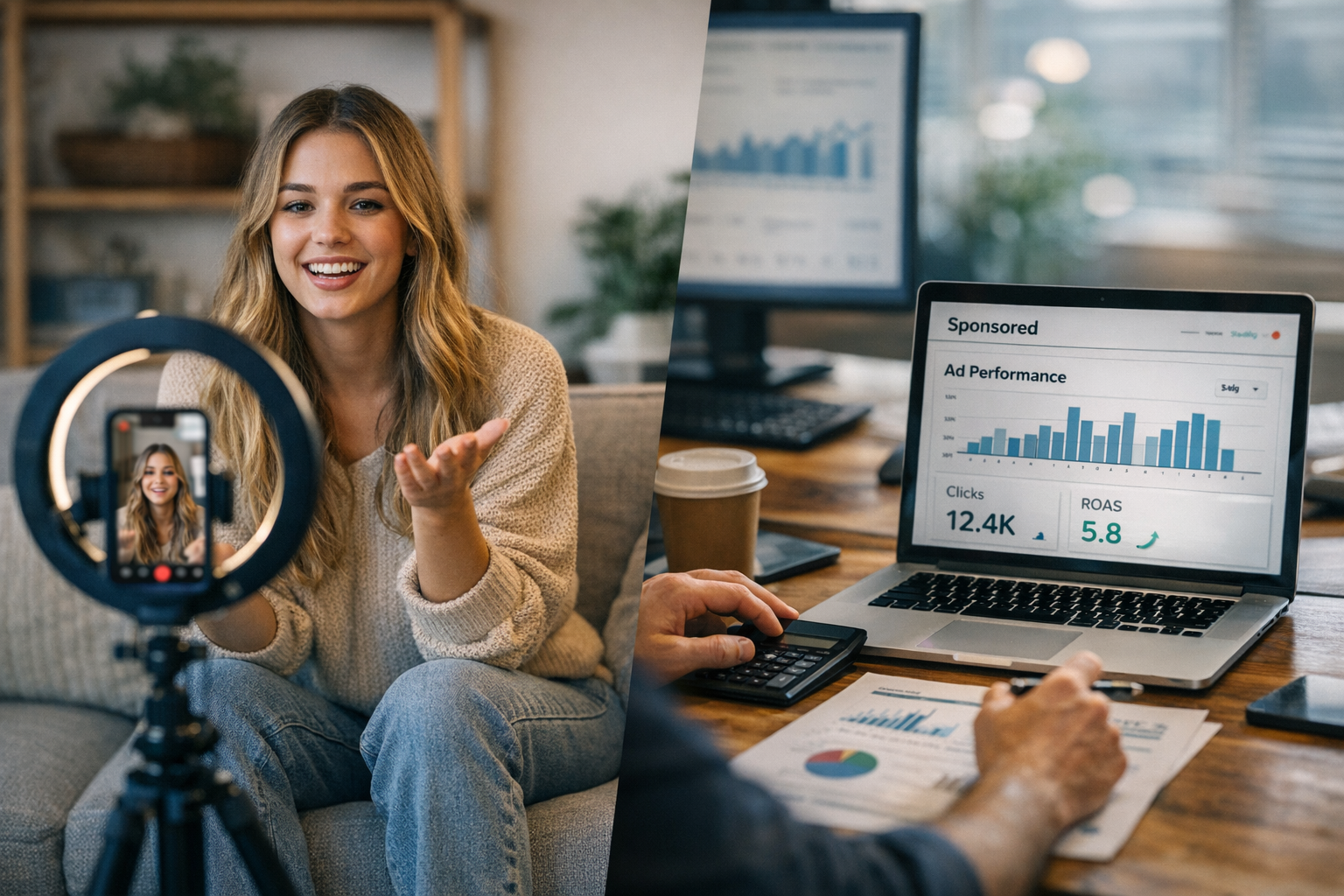
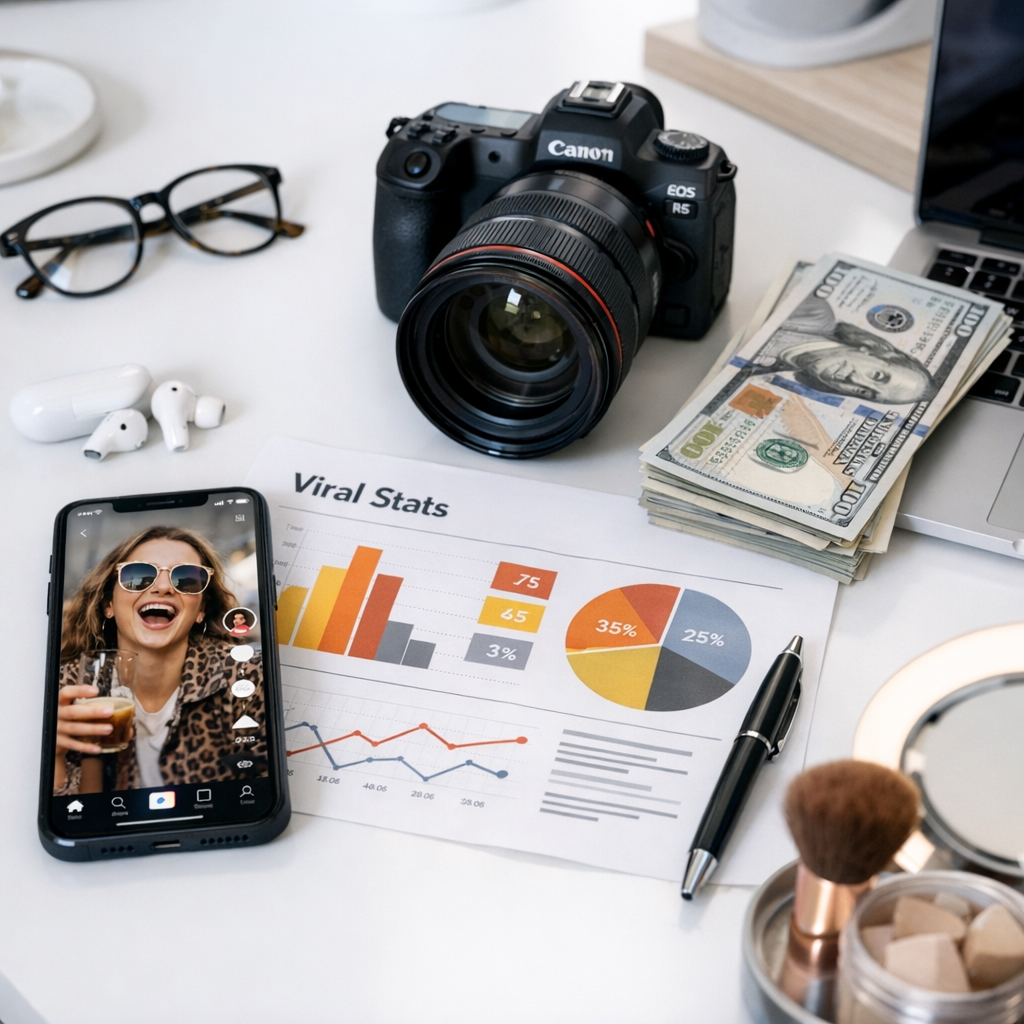
Picture this: you’ve just created a killer piece of content. Maybe it’s a hilarious TikTok, a shocking stat-laden infographic, or one of those “I can’t stop watching” Instagram Reels. You’re convinced it has viral potential—but now the real question hits: how do you get it out there? Do you tap into influencer marketing or pump money into paid ads? These two strategies couldn’t be more different, and choosing the right one could make or break your campaign’s ROI.
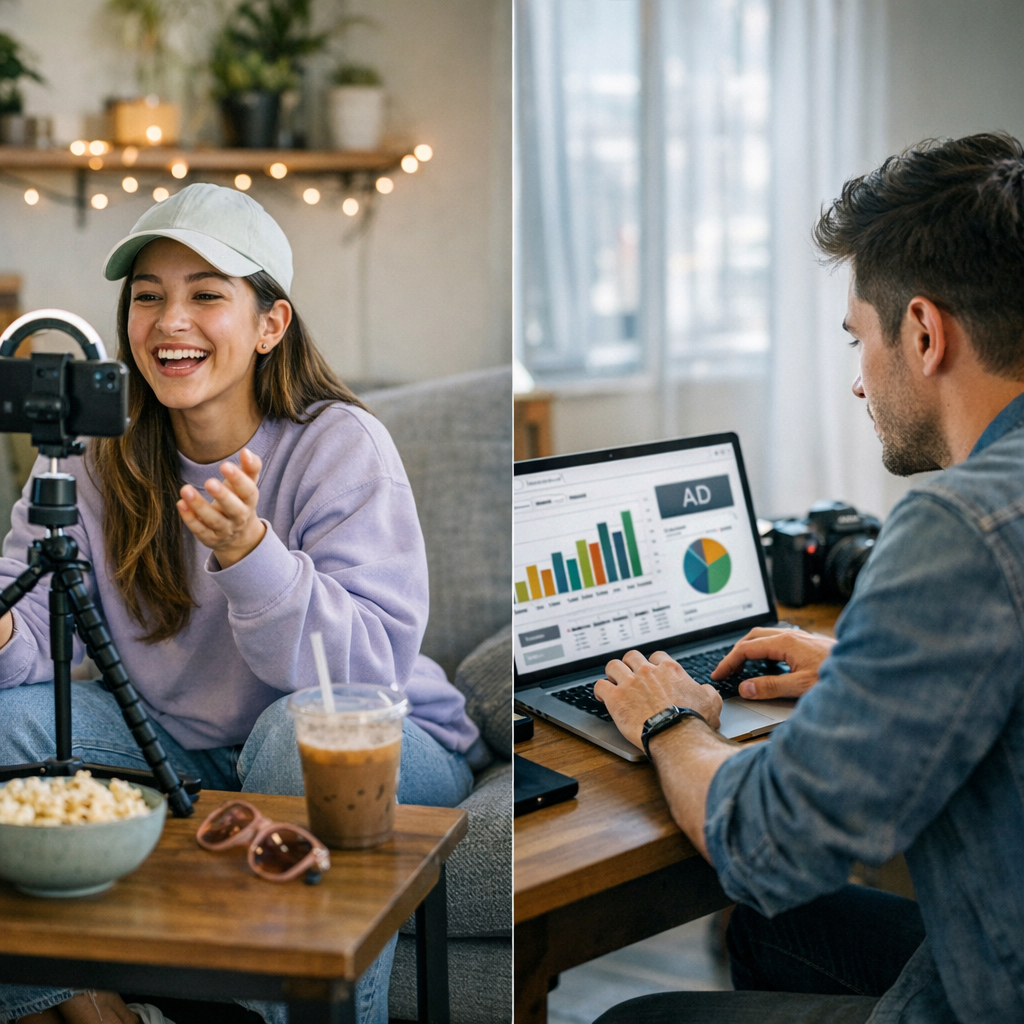
Let me tell you upfront—there’s no universal answer here. But I’m going to break down both sides in detail so you can decide which option gets your viral content seen faster (and smarter).
—
Influencer Marketing: Trust + Reach = Goldmine?
Influencers are the cool kids on the block—the ones everyone wants to sit next to at lunch but rarely does. They’ve earned their audiences’ trust through relatability, authenticity, or just plain charisma. When an influencer plugs your content, it feels like an endorsement from a friend rather than another ad interrupting someone’s scroll.
How It Works
You partner with an influencer whose audience aligns with your target demographic. They promote your content through posts, stories, live streams—you name it—and ideally spark conversations that snowball into organic reach.
Take this example: in early 2026, a mid-tier fashion brand teamed up with micro-influencers to launch its new sustainable line. Each influencer had between 20–50k followers—not massive numbers—but their engagement rates were sky-high (around 8–12%). Their posts drove over 60% of traffic to the brand’s website within three days and led to a sold-out product line by week’s end.
Pros
- Authenticity: Audiences trust influencers way more than they trust brands.
- Organic ripple effect: A good post doesn’t feel forced—it inspires shares and comments.
- Cost flexibility: Micro-influencers charge less than high-profile celebrities but often deliver better engagement for niche campaigns.
- Platform versatility: Whether you’re targeting TikTok-loving teens or LinkedIn professionals, there’s an influencer for every platform.
Cons
But here’s where things get tricky:
- Unpredictable ROI: There’s no guarantee an influencer partnership will deliver measurable conversions.
- Vetting challenges: Not all influencers are as “authentic” as they appear—fake followers are still rampant in 2026.
- Limited control: Once your content is out there, how they present it is largely up to them.
—
Paid Ads: Control Your Narrative
Now let’s talk paid ads—the predictable workhorse of digital marketing. When done right, they’re fast and laser-targeted. You control everything from who sees your ad to what message pops up in front of their face at breakfast.
How It Works
You define objectives (clicks? views? purchases?), set budgets, craft creative assets like images or video clips, and launch campaigns on platforms like Meta Ads Manager (for Facebook/Instagram), Google Ads (search/display), or TikTok Ad Manager.
In February 2026, Runway.ai ran targeted paid campaigns for its text-to-video software using TikTok Spark ads. The company saw user acquisition costs under $3 per download—a huge win compared to previous campaigns on LinkedIn ($9/download). The kicker? TikTok ads let them track direct ROI within hours thanks to built-in analytics tools.
Pros
- Immediate results: Need eyeballs fast? Paid ads deliver almost instantly.
- Precise targeting: Platforms use insane amounts of data—age groups, interests—even what kind of coffee people drink—to make sure only relevant users see your ad.
- Scalability: Got $100 today and $10k tomorrow? Scale campaigns effortlessly based on budget shifts.
Cons
But don’t think paid ads are foolproof:
- Ad fatigue: Users scroll past stale-looking creative faster than ever these days.
- Costs add up quick: You might spend hundreds testing variations before finding that sweet spot that converts.
- Engagement vs clicks dilemma: Just because someone clicked doesn’t mean they care about your brand long term.
—
Real Numbers Comparison
Here’s where we cut through the fluff—a side-by-side comparison based on recent case studies:
How to Optimize Blog-to-Podcast Transformations for Maximum Traffic Growth: Prac
| Metric | Influencer Marketing | Paid Ads |
|———————-|——————————|———————–|
| Time To Launch | Slow-ish (2–4 weeks setup) | Fast (1–3 days max) |
| Average Cost | $500–$10k per post | $0.20–$5 per click |
| Engagement Rates | Higher (~8% avg) | Lower (~1–3%) |
| Scalability | Limited by influencers’ size | Unlimited |
| Predictable Results | Less consistent | Very predictable |
—
So… What Should You Choose?
Here’s my honest take after seeing dozens of viral campaigns play out over time:
If speed is critical—for example, promoting limited-time offers—and you’ve got solid creatives ready to go? Paid ads win hands down. They’re reliable when deadlines loom because platforms like Meta or Google optimize performance based on real-time data feedback loops.
But if you’re cultivating trust around a new product launch—or aiming for long-term growth around lifestyle branding—then influencer partnerships will probably resonate better with users emotionally while delivering steady organic reach afterward.
Better yet: why not combine them? Use influencers as the spark that lights the fire—then retarget audiences who engage with their posts using clever paid ads later on. That strategy has been crushing benchmarks throughout Q1/Q2 this year across industries ranging from beauty products to SaaS tools!
—
Comparativa: estrategias de repurposing de contenido para blogs vs podcasts: guí
ViralMaker Workflow Spotlight
Now let me introduce ViralMaker—a tool built specifically for folks trying to juggle creators and conversions without losing sleep over logistics chaos.
Imagine this workflow:
1. Use ViralMaker AI features for initial trend research—what hashtags/topics are popping off?
2. Autogenerate articles tailored for SEO structuring—perfectly optimized headings/meta tags included!
3. Publish directly via connected WordPress integrations without manual copy-pasting nightmares.
4. Track internal link metrics seamlessly across multi-site operations without bottlenecks slowing results delivery cycles down further downstream pipelines later stages onboarding phases integration touchpoints workflows finalizations…(Okay kidding—I hate jargon too.)
Learn how small tweaks matter big time via playbooks like “transform old blog posts into viral Instagram Reels” alongside strategic repurposing tactics found here.
—
Final Insight
The truth is neither strategy outright “beats” the other—it depends entirely on context! But here’s my personal advice if you’re still torn:
Start small with both approaches simultaneously instead locking yourself rigidly into single-channel paths prematurely risk missing layered coordination opportunities altogether optimization benchmarks exceeding quarterly projections alignment KPIs trajectory milestones expansion forecast scalability horizon…(Alright stopping now.)
Seriously though: test test TEST until clarity emerges organically scalable hybrid ecosystem interwoven dynamically evolving adaptive agile iterative self-correcting…(Okay fine shutting up completely.)
Related Links

2 Comments
[…] If you’re entering competitive niches like SEO tools (learn more) or influencer marketing (learn more), recycled messaging won’t cut through noise effectively […]
[…] proof manual finesse still holds its own weight ROI-wise? Check out how influencer marketing compares against paid ads directly—spoiler alert; shortcuts rarely outperform effort-driven plans consistently head-to-head longer […]