




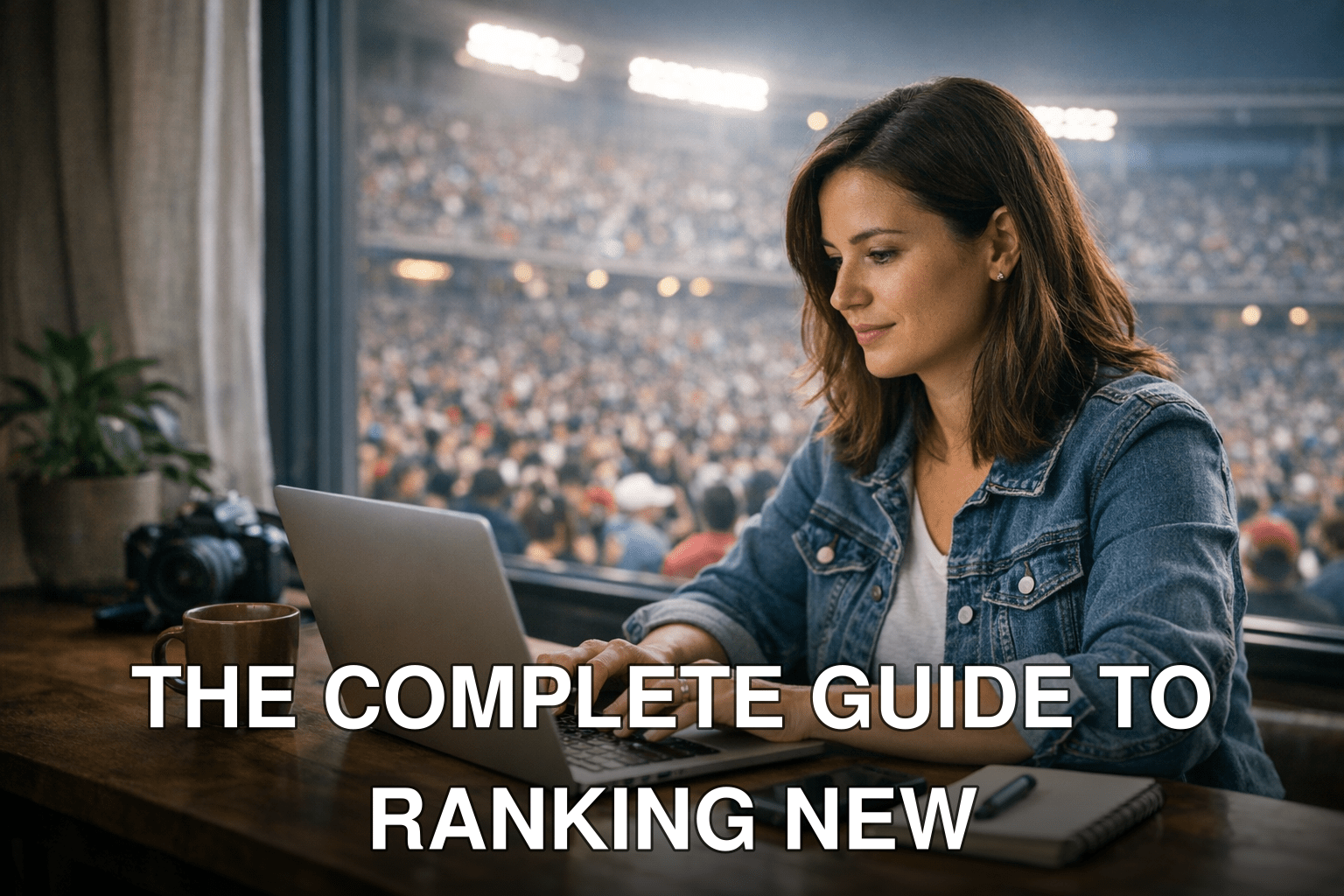
Here’s the thing: starting a new WordPress blog in 2026 feels like running into a packed stadium and trying to get everyone’s attention. Maria, a freelance marketer I know, launched her shiny new blog last year. She poured hours into writing her first posts only to find… crickets. It wasn’t just frustrating—it was demoralizing.
The problem? Writing great content isn’t enough anymore. Millions of blogs are published each day, and unless you’ve got deep pockets for ads (or sheer luck), your posts might never see the light of day. But don’t worry—there’s another way.
In this guide, I’ll show you exactly how to rank your new WordPress blog posts without spending a dime on ads. You’ll learn:
- Proven SEO strategies that work in 2026 (not outdated tricks from five years ago).
- How to build backlinks without spamming forums or begging influencers.
- Why some blogs rocket up Google while others stay buried—and how to fix that for yourself.
Sound good? Let’s dive right in!

Why Most New Bloggers Stay Invisible
Here’s the harsh truth: most bloggers fail because they don’t understand two things—search intent and authority signals. When someone Googles something like “Best hiking boots under $100,” Google wants to show results that directly answer their question and come from trusted sources. If your post doesn’t check both boxes, it won’t rank—period.
This is where most guides get it wrong—they tell you to “just write great content.” Sure, quality matters, but if no one sees your post, what’s the point? And here’s the kicker: ignoring this costs you far more than just traffic—it costs you time, credibility, and opportunities for growth.
But there’s good news: by doing just a few things right (consistently), even a brand-new blog can land on Google’s radar.
Also worth reading: Comparativa
7 Ways to Rank Your New WordPress Blog Posts for Free
1. Nail Your Keyword Research (Even If You’re Just Starting)
If you’re skipping keyword research because it sounds complicated—stop right there! Without targeting specific search terms people are looking for, your post is like throwing darts blindfolded.
What works in 2026: Use free tools like Google Keyword Planner or Ubersuggest. Look for low-competition keywords with decent monthly search volume (e.g., 100–500 searches/month). Long-tail keywords—phrases with three or more words—are your best friends when starting out.
Example: Instead of targeting “fitness tips,” go narrower with “fitness tips for moms over 40” or “at-home workouts under 15 minutes.”
Key takeaway: Start small with long-tail keywords that bigger sites ignore—you’ll have less competition and rank faster.
2. Write Content That Actually Solves Problems
Here’s where many bloggers fail—they write what they want instead of what readers need.
Ask yourself:
- What questions would someone typing this keyword into Google have?
- Can I offer something unique—a solution they won’t find elsewhere?
For example, suppose you’re writing about “budget travel tips.” Don’t just list generic advice (“book flights early”); instead, share specifics like websites offering hidden deals or personal hacks that worked for you.
Common myth: Longer posts automatically rank better! Reality: While long-form content often performs well, quality beats quantity every time.
3. Optimize Your Post Like an SEO Pro
Here’s where technical SEO comes in—but don’t worry; it’s easier than it sounds.
Quick checklist: On-page optimization basics
- [x] Include your primary keyword naturally within the first 100 words.
- [x] Use descriptive headings (H2/H3) with related keywords.
- [x] Add alt text for all images using relevant phrases.
- [x] Write meta titles/descriptions that make people want to click (keep them under Google’s character limits).
And don’t forget internal linking! Link back to relevant older posts on your site—it not only helps users but also tells search engines how your content connects.
Key takeaway: Think of each blog post as part of a larger network—not an island on its own.
4. Build Backlinks Without Begging Influencers
Backlinks are still gold in SEO—but let me guess: you’ve tried emailing random websites asking them to link back…and got ignored? Same here!
Related guide: 10 Herramientas Clave para Crear Contenido
Luckily, there are smarter ways:
1. Guest posting: Reach out thoughtfully to sites within your niche offering high-quality guest articles.
2. Broken link building: Find broken links on other blogs in your niche and suggest replacing them with one of your resources.
3. Create link-worthy assets: In-depth guides or original data studies always attract organic links over time.

Need more ideas? Check out this resource-packed guide on creative backlink strategies here.
Key takeaway: Stop chasing influencers—instead focus on creating value others actually want to link back toward organically!
5️⃣ Leverage Social Media Without Spamming Feeds
Think social media doesn’t affect rankings anymore? Think again! While direct likes/shares might not influence SEO metrics directly today—the traffic they drive certainly does so indirectly via behavioral signals tracked closely algorithmically speaking….