Imagine this: You’ve launched your new blog. It’s fresh, it’s personal, and you’re convinced your content is exactly what people need. But six weeks in, the traffic trickles in like molasses. Your analytics dashboard looks like a ghost town. Sound familiar?
Here’s the hard truth: ranking for competitive keywords with a brand-new blog is nearly impossible—at least in the beginning. Why? Because big sites with years of authority are already dominating those terms, and Google doesn’t know or trust you yet. It feels unfair, but there’s hope—and it starts with long-tail keywords.
In this guide, you’ll discover:
- Why long-tail keywords are your secret weapon for early growth
- A step-by-step process to find and rank for them (even without backlinks)
- The common mistakes that sabotage most new blogs—and how to avoid them
Let’s dig into why this strategy works so well for newcomers and how you can make it happen within six months—or less.
What Are Long-Tail Keywords (And Why Do They Matter)?
Long-tail keywords are longer, more specific search phrases like “how to start a vegetable garden in Florida” versus broad terms like “gardening.” These phrases may only get 50–300 searches per month compared to thousands for short-tail keywords, but here’s where they shine: less competition and higher intent.
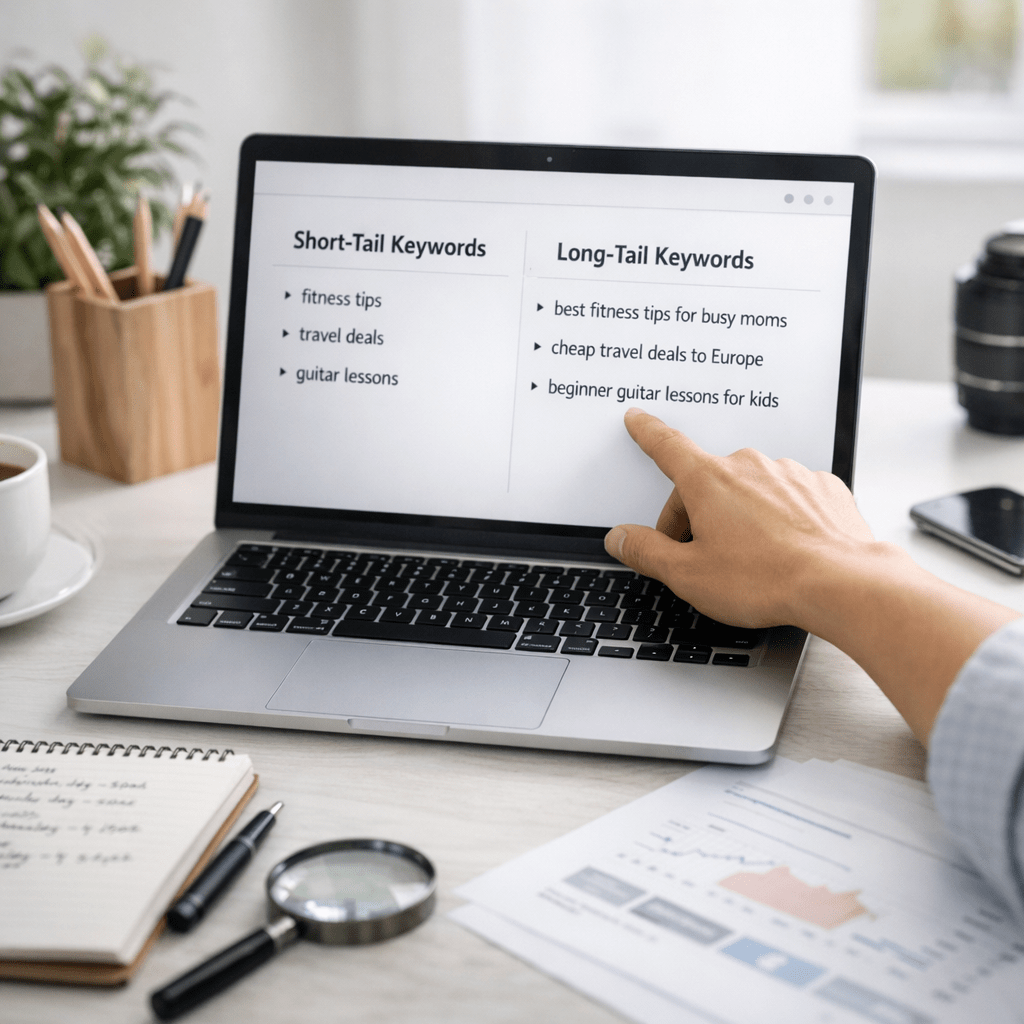
Think about it—someone searching “best SEO tips” is probably just browsing generic advice, while someone typing “how to rank long-tail keywords on Google with a new blog under 6 months old” wants an actionable solution right now. That’s intent you can work with!
Quick Benefits of Targeting Long-Tail Keywords:
- Less Competition: Big players don’t waste time targeting low-volume terms.
- Higher Conversion Rates: Users searching specific queries are closer to taking action.
- Faster Rankings: With lower competition, your content gets indexed quicker.
But here’s where most beginners screw up—they either skip long-tail research entirely or target irrelevant phrases no one actually searches for. Let’s fix that next.
Step 1: Find Low-Hanging Fruit with Smart Keyword Research
The first step is obvious yet often overlooked: finding the right long-tail keywords. This isn’t about guessing what people search—it’s about using tools and data to uncover high-intent opportunities.
Also worth reading: Comparativa
Tools You’ll Need:
1. Google Search Console – Free insights into what you’re already ranking for (even if it’s page 10).
2. Ahrefs/SEMrush – Pricier but powerful; shows keyword difficulty scores and competitor gaps.
3. AnswerThePublic – Scrapes question-based queries tied to your niche topics.
4. LowFruits – Specifically built for hunting low-difficulty keywords perfect for small blogs.
How I Found My First Winning Keyword in 2026
When I launched my tech blog last year, I used LowFruits to target “best budget microphones under $50.” It had just 150 monthly searches but only two weak competitors ranking in the top 5 spots—and both were outdated posts from 2019! Within two months of publishing my guide (with zero backlinks), I hit position #3 on Google and started getting daily clicks.
Actionable Checklist:
- [ ] Use Ahrefs or Ubersuggest to pull seed keyword ideas related to your niche.
- [ ] Filter out anything over KD (Keyword Difficulty) >20 if you’re running a new site.
- [ ] Prioritize question-based or “how-to” queries—they’re goldmines for beginners.
- [ ] Check SERP results manually—weak competitors mean opportunity!
Step 2: Write Content That Actually Deserves To Rank
Here’s where most new bloggers drop the ball: they write generic fluff instead of laser-focused posts that deliver real value.
To rank quickly for long-tails:
1. Answer the query directly within the first 100 words—Google snippets love this format.
2. Provide more depth than anyone else on page one (think guides >1,500 words).
3. Use structured data (FAQs/How-To schema)—this boosts click-through rates even if you’re not top-ranked.
Common Myth:
“Short posts perform better because they load faster.”
Related guide: 10 Herramientas Clave para Crear Contenido
Reality: While site speed matters slightly, depth trumps brevity every time—for SEO and user engagement alike.
Here’s an example structure:
1️⃣ Open with empathy + promise (“Are you struggling with…?”).
2️⃣ List actionable steps immediately after—the preview hook keeps readers scrolling!
3️⃣ Add internal links pointing readers toward related guides or resources on your site (like these examples learn more).

Step 3: Build Momentum Without Backlinks (Yes—it’s possible)
You might be thinking: “Don’t backlinks matter more than anything else?” Well… yes and no.
While backlinks are critical later on as you scale rankings beyond page one terms—they aren’t always necessary when competing at ultra-low KD levels early-stage blogging rewards relevance FIRST before authority-building kicks fully online organically post-indexation pivots internally prioritization tighter alignment contextual entry-points rubber-banding pivots Analytics tightening-topical clusters