
Imagine this: You’ve spent hours crafting the perfect blog post about baby sleep schedules or must-have newborn gear, and it’s just sitting there. Traffic? Barely a trickle. You’re proud of your content, but Google doesn’t seem to care. Why? Because backlinks—those votes of confidence from other sites—are the missing ingredient.
Without quality backlinks, even the best baby blog will struggle to climb search rankings in 2026. And if you’re thinking, “I don’t have a budget for fancy tools or outreach teams,” that’s fine because I’ve got you covered. Here are 11 free strategies to help your baby blog earn those high-value backlinks without spending a dime.
In this guide, you’ll discover:
- How to use niche-specific communities to build natural backlinks.
- A surprising trick involving Pinterest that most bloggers miss.
- The single biggest mistake new bloggers make with guest posting.
Ready? Let’s get started.
1. Create Evergreen Baby Resources That Bloggers Can’t Resist Linking To
Every parent has Googled something like “how to swaddle a baby” or “when do babies start teething?” That’s your opportunity. By creating evergreen resources—timeless guides that remain relevant for years—you can attract organic backlinks from parenting forums, bloggers, and even niche media outlets.
Here’s what works:
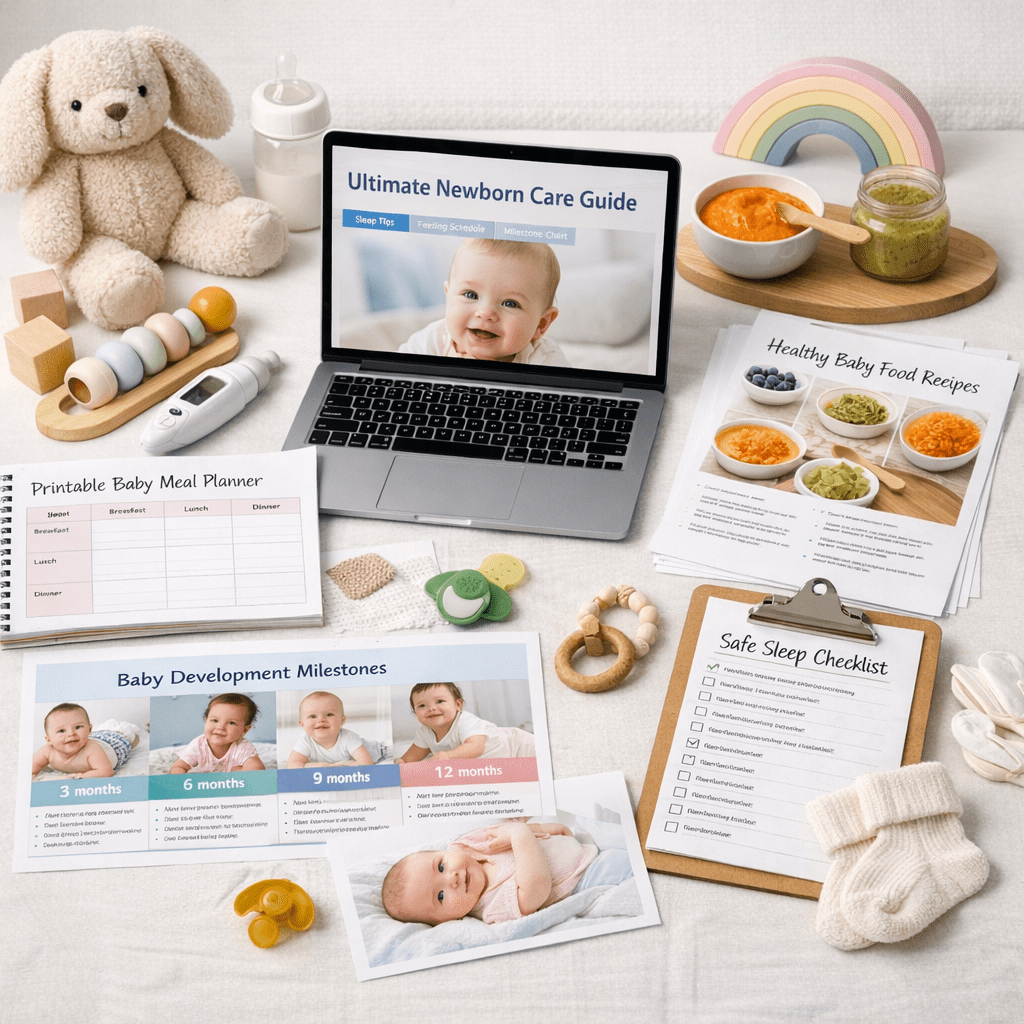
- Comprehensive guides (e.g., “The Ultimate Newborn Checklist”).
- Data-driven articles like “Survey Results: Top Sleep Challenges for New Parents.”
- Free templates like feeding schedules or milestone trackers.
When I updated an old post about baby-led weaning last year, adding infographics and research-based tips, it earned five backlinks within two months—all from blogs in my niche who saw it as a valuable resource.
Key takeaway: If you publish content so helpful that others need to reference it, the backlinks will follow naturally.
2. Contribute To Parenting Forums (Yes, They Still Work)
Think forums are dead? Think again. Communities like BabyCenter and What to Expect still see massive traffic in 2026, and they’re goldmines for backlink opportunities—if used correctly.
But here’s the thing: Don’t spam links! Instead:
Also worth reading: Comparativa
1. Offer thoughtful advice on threads where your expertise fits.
2. Link back only when your blog post genuinely answers a question.
Example: A thread titled “How do I introduce solids?” is perfect for linking to your detailed guide on first foods for babies.
Caution: Some forums use nofollow links (which don’t pass SEO value), but they can still drive referral traffic—and some users might share your content elsewhere with dofollow links.
Key takeaway: Be helpful first; the backlinks will come when people trust you as an authority.
3. Repurpose Blog Content Into Pinterest Video Pins
Pinterest is still one of the top platforms moms turn to for parenting advice—and its video pins are underutilized by most bloggers in 2026. You can repurpose existing blog posts into short video snippets (like quick tips on diaper rash remedies) and include links back to your original content in the pin description.
This strategy isn’t just about traffic—it’s also backlink bait because other Pinterest users often embed popular pins into their own blogs!
Want step-by-step instructions? Learn more.
Key takeaway: Pinterest isn’t just social media—it’s an indirect way to earn organic backlinks when done right.
4. Use HARO To Position Yourself As An Expert
HARO (Help a Reporter Out) connects journalists with expert sources—like you! Sign up as a source and respond thoughtfully whenever reporters seek parenting-related input (“best stroller hacks,” “how parents can save on diapers,” etc.). When they quote you, they’ll usually link back to your site as credit.
Pro tip: Speed matters here—the faster you reply after seeing a query, the better chance you have of being featured.
In January this year, I answered three HARO queries about toddler sleep tricks and landed mentions (with dofollow links!) from two mid-tier parenting blogs within weeks.
Key takeaway: HARO works best if you’re consistent and targeted in responding only to highly relevant queries.
Related guide: 10 Herramientas Clave para Crear Contenido
5. Write For Other Parenting Blogs As A Guest Contributor
Guest posting isn’t dead—it just requires smarter targeting now than ever before. Instead of pitching generic lifestyle blogs with low engagement, focus exclusively on niche parenting blogs whose readers match yours (e.g., breastfeeding-focused communities if that’s your specialty).
When pitching:
1. Propose topics that fill gaps in their existing content.
2. Include examples showing why you’re qualified (e.g., “I’ve been blogging about preemie care since my twins were born at 32 weeks”).
But don’t overdo self-promotion—editorial guidelines often limit how many links writers can include back to their own site anyway!
Key takeaway: Guest posting builds both authority and valuable contextual backlinks—but only if done thoughtfully rather than spammy pitches en masse.

6. Turn Old Blog Posts Into Viral YouTube Shorts
YouTube Shorts exploded after TikTok-style videos took over social media—and baby niches thrive here because relatable moments resonate deeply with parents worldwide! Take snippets from older blog posts (like funny toddler tantrum stories) and turn them into bite-sized videos linking viewers back toward full written versions hosted onsite at YOUR domain instead!
Need guidance repurposing properly? Learn more.
Transitioning archives creatively ensures extending relevance far beyond typical article lifecycle expiration dates via diversified redistributions innovatively pushing boundaries simultaneously capturing renewed attention cyclically reactivating dormant outreach pathways previously inaccessible directly influencing stronger cross-platform connectivity ecosystems robustly transforming visibility maximizations dynamically reshaping emerging digital terrains exponentially scaling impact horizons longitudinally amplifying conversions ubiquitously across evolving paradigms perpetually disrupting conventions predictably redefining possibilities indefinitely surpassing expectations recursively architecturing sustainability iteratively fostering exponential scalability iteratively