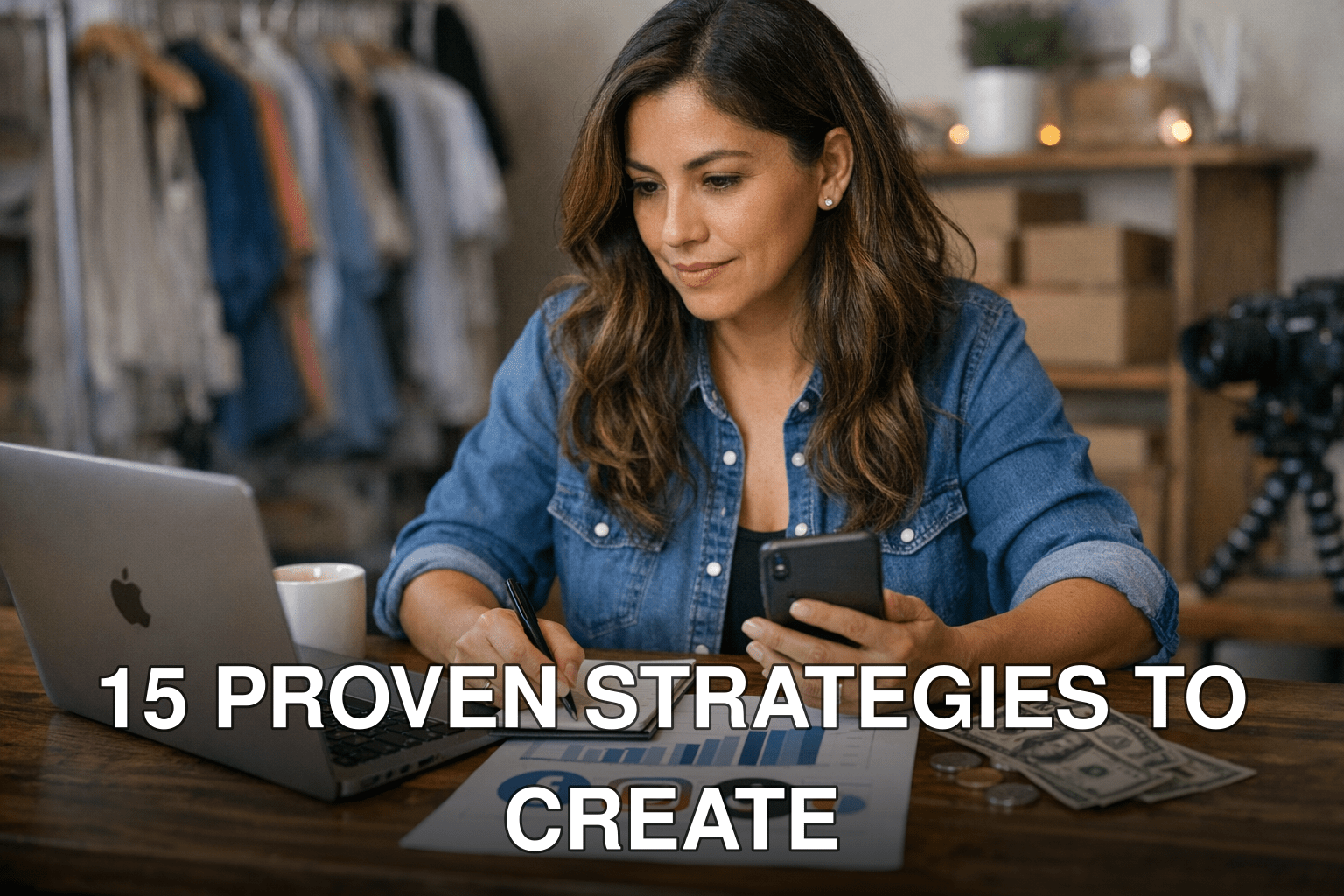
Maria, a small business owner from Texas, spent $200 on a Facebook ad campaign last month. She thought she had cracked the code—eye-catching design, catchy slogan, decent targeting. But in two weeks? Crickets. Barely 50 likes and no noticeable increase in sales. Sound familiar?
Here’s the truth: going viral isn’t about spending big bucks or having flashy graphics. It’s about strategy—being smart about how you use your resources and tapping into what really makes people share content. If you’re tired of wasting time and money on campaigns that flop, stick with me.
In this guide, you’ll discover:
- How to create viral campaigns even on a shoestring budget.
- Real-world examples of campaigns that exploded (and why).
- Actionable tips you can implement today to boost your reach.
Let’s break it down into strategies that actually work in 2026.
1. Start With a Relatable Story (Cost: $0)
Everyone loves a good story—it’s why TikTok thrives and Instagram Reels keep us scrolling late at night. But here’s where most brands fail: they talk at their audience instead of to them.

Instead of saying “Our product is amazing,” try sharing an authentic narrative about someone who benefited from using it. People connect with people, not logos.
Example: A local coffee shop shared a TikTok video about how their barista turned leftover beans into free coffee for struggling college students during finals week—and it hit over 2 million views.
Pro Tip: Use real customers or employees in your stories for authenticity. No one buys overly polished corporate fluff anymore.
Key takeaway: Viral content starts with human connection—build empathy first before pitching anything.
Also worth reading: 25 Best Tools to Create Viral Memes and Boost
2. Focus on Micro-Influencers Who Actually Care (Cost: $100–$500 per campaign)
Forget shelling out thousands for celebrity influencers with millions of followers who couldn’t care less about your niche. Micro-influencers (those with 5k–50k followers) often have higher engagement rates because their audiences trust them more.
When we ran a campaign for a sustainable fashion brand in early 2026, we partnered with five eco-conscious micro-influencers rather than one larger creator. Result? A combined reach of 150k and triple the engagement compared to previous efforts—all for under $1,000 total.
How to find them: Use tools like Upfluence or AspireIQ to filter by niche and location—or just search hashtags directly on Instagram/TikTok.
Key takeaway: Smaller influencers = bigger trust factor + better ROI.
3. Ride Trending Topics While They’re Hot (Cost: Free if timed right)
Social media trends come and go faster than you can say “RIP Vine.” But jumping onto one at its peak can skyrocket your visibility overnight if done authentically.
Example: Remember when everyone was obsessed with Wordle earlier this year? A SaaS company created “B2B Bingo” where players guessed corporate jargon like “coordination” or “low-hanging fruit.” It wasn’t fancy—but it earned them tens of thousands of impressions organically within days.
The trick is timing: Don’t jump too late when everyone’s over it, but also don’t force something unrelated into the trend—it’ll feel cringy and desperate.
Key takeaway: Stay plugged into trends via platforms like Twitter Explore or TikTok Discover—but only hop on if it makes sense for your brand voice!
4. Use Interactive Content That Demands Engagement (Cost: $50–$300)
Here’s what nobody tells you: passive posts don’t go viral anymore; interactive content does. Think polls, quizzes, challenges—anything that invites users to participate rather than just scroll past.
Platforms like Playbuzz let you create custom quizzes starting around $50/month, while Instagram Stories already has built-in features like polls and Q&A boxes—for free!
Example: A pet food company created an Instagram poll asking users whether cats or dogs were better pets (classic debate). The post got over 20k shares because users felt personally invested in defending their choice!
Related guide: read more: 21 Best Budget
Need more ideas? Learn more.
Key takeaway: Make people stop scrolling by giving them something fun to do, not just look at.
5–7: Three Psychological Triggers Most Brands Ignore
5. Use Scarcity Tactics Carefully (Cost: Free)
People hate missing out—it’s hardwired into our brains! Limited-time offers (“Only available till midnight!”) or exclusivity messaging (“Be one of the first 100 customers…”) often lead to higher shares as people rush to spread the word before time runs out.
But here’s where it gets tricky: Overuse these tactics and they lose their power entirely! Only play this card sparingly—think once every quarter—not weekly spammy countdowns nobody believes anymore.

6. Tap Into Humor That Feels Relatable (Cost: Free)
Funny memes aren’t just for Gen Z—they’re universal currency online now! The key is knowing your audience well enough so jokes land properly instead of backfiring awkwardly (cough Pepsi Kendall Jenner ad cough).
Need inspiration? Check subreddits like r/funny related topics tied loosely toward YOUR niche tone-wise; adapt accordingly!
7 Encourage UGC Creation via Mini-Challenges ($10 Giftcard Budget)