



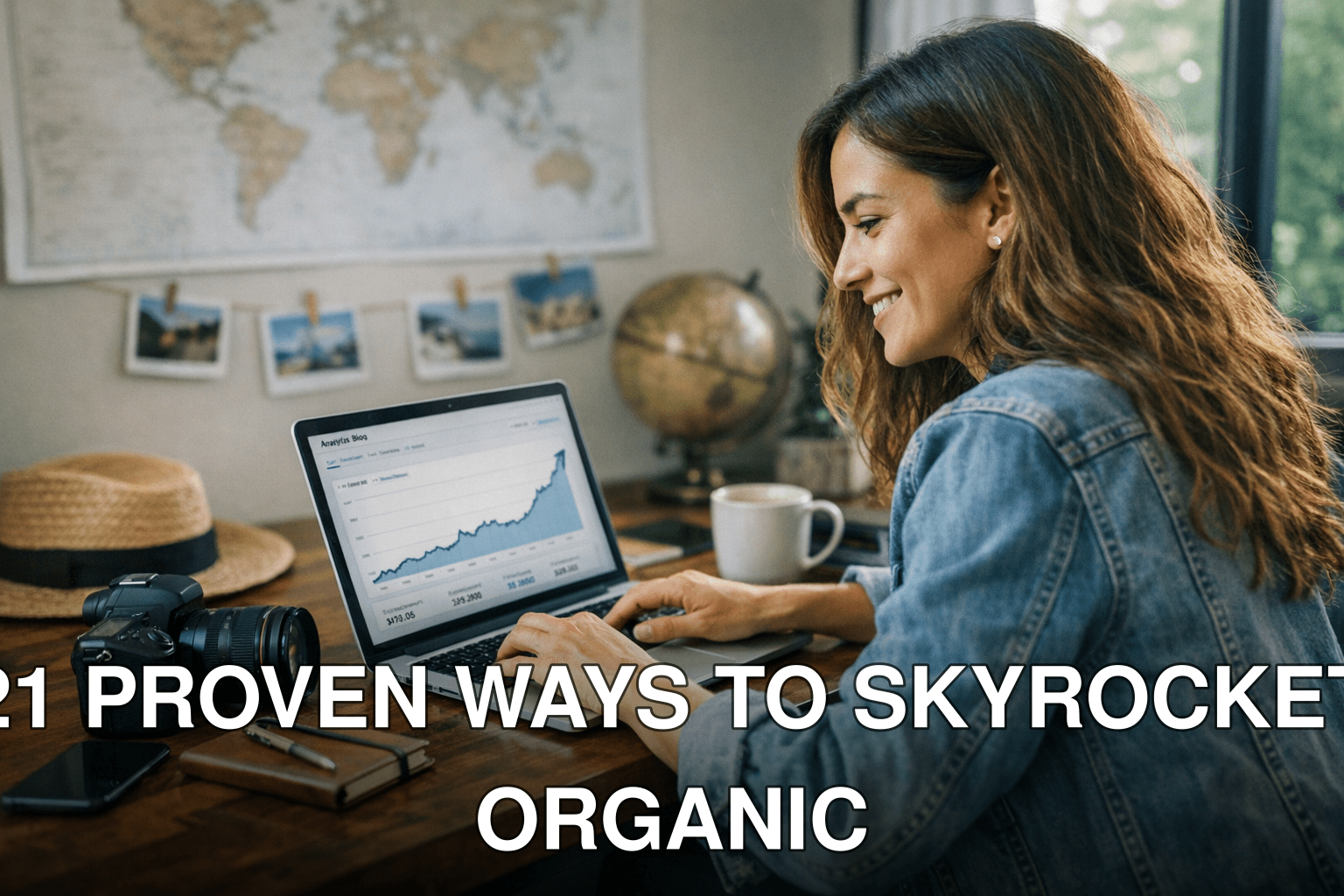
Maria, a freelance travel blogger, spent months pouring her heart into content. Yet her blog barely scraped 200 visitors per month. Sound familiar? That’s the reality for many bloggers—great content hidden in the shadows of search engines. The worst part? It’s not always your fault. SEO algorithms are brutal, competition is stiff, and let’s be real—most “traffic tips” are either cookie-cutter or outdated by the time you find them.
But here’s the good news: you can break through. With the right strategies (no fluff), hitting 10,000 monthly visitors in three months is totally achievable. Yes, even if you’re starting from scratch or fighting your way out of obscurity.
In this guide, you’ll discover:
- Why niche focus beats general topics every time.
- How to leverage free tools for keyword research without wasting hours.
- The sneaky backlink tactics no one talks about but actually work in 2026.
Let’s fix what’s holding your traffic back and build momentum that lasts.
Quick Navigation
- 1. Own a Specific Niche
- 2. Publish Long-Tail Keyword Content
- 3. Optimize Existing Posts with Better On-Page SEO
- 4. Use Internal Linking Strategically
- 5. Create Shareable Listicles and How-Tos
- 6–15 Additional Growth Hacks Worth Trying
- 16–21 Advanced Techniques That Actually Deliver Results
1. Own a Specific Niche
Here’s the harsh truth: broad blogs don’t win anymore unless you’ve got a massive budget (think Forbes-level). In 2026, Google rewards topic authority—the deeper your expertise in one area, the higher your posts rank across related searches.
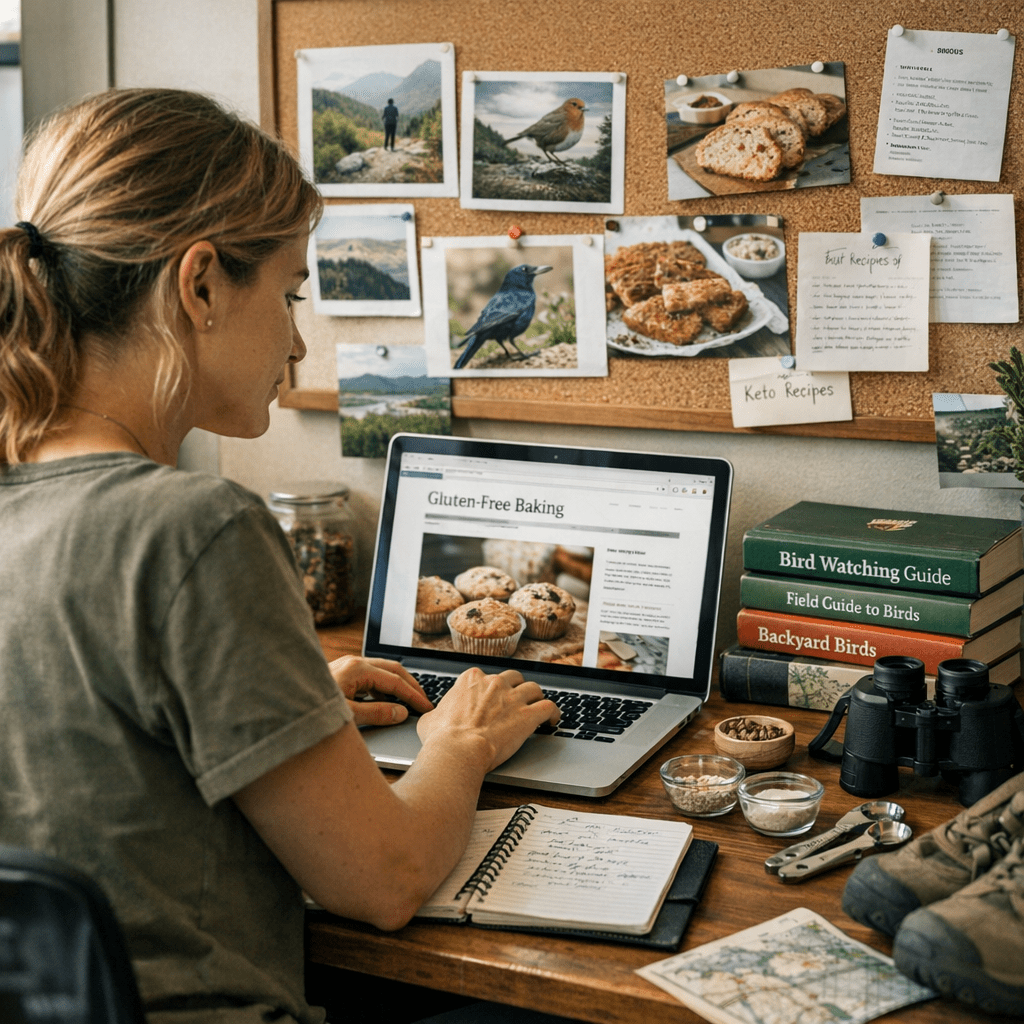
For example, instead of blogging about “health,” niche down to “vegan recipes for busy parents” or “fitness routines for women over 40.” It instantly narrows competition while making readers feel like you get them.
Key takeaway: Pick a small corner of the internet where you can dominate rather than getting lost in broad categories.
2. Publish Long-Tail Keyword Content
Ranking for high-volume keywords like “best running shoes” is next to impossible as a new or small blog. Stop chasing those unicorns! Focus on long-tail keywords instead—phrases like “best vegan running shoes under $100” that have lower search volume but higher intent.
Tools like Ubersuggest, Google’s Keyword Planner, and AnswerThePublic can help uncover these goldmines without spending hours manually guessing phrases.
Also worth reading: Comparativa
Common myth: More traffic always equals better results. Reality: Long-tail keywords attract readers closer to taking action (clicking links, subscribing). Quality beats raw numbers.
Learn more about free SEO strategies here.
3. Optimize Existing Posts with Better On-Page SEO
Your old posts may already have untapped potential hiding in plain sight! Here’s how to quickly boost them:
1. Add updated stats or examples from 2026 trends.
2. Swap boring headlines for emotionally charged ones (“Stop Wasting Money on X—Do This Instead!”).
3. Sprinkle internal links pointing to newer posts—they’re SEO juice highways Google loves.
4. Include FAQs at the bottom to target voice searches directly.
When I tested this on one stale post last year, organic clicks doubled within weeks—and all it took was two hours of tweaking!
Key takeaway: You don’t always need new content; sometimes optimizing what you’ve already written works faster and better.
4. Use Internal Linking Strategically
Internal linking isn’t just for navigation—it builds topical authority and keeps visitors exploring longer (a ranking signal). Here’s what works best:
1. Target deep links instead of generic pages like your homepage.
2. Use descriptive anchor text (“best winter camping gear guide” beats “click here”).
Related guide: 10 Herramientas Clave para Crear Contenido
3. Always link related pages naturally—not as an afterthought.
For example: If you’ve written about beginner backpacking tips, link it inside articles about lightweight hiking gear or budget-friendly destinations.
Key takeaway: Think of internal links like breadcrumbs guiding Google through your site structure—and readers will follow too!
5. Create Shareable Listicles and How-Tos
People love practical advice they can skim quickly—and listicles + how-to guides nail this format perfectly! Headlines such as “10 Budget-Friendly Destinations You Must Visit This Year” capture attention because they promise value upfront.
Even better? These formats naturally attract shares on Pinterest and Twitter when paired with eye-catching titles + visuals (Canva makes creating graphics ridiculously easy).
Learn more about creating shareable blog formats here.
Key takeaway: Make every post irresistible by combining actionable insights with scannable formatting people love sharing online.
Why Most Guides Get This Backwards…
Most growth hacks stop here—but let me ask: What happens after readers land on your site? Without engagement loops (comments sections active replies etc.), bounce rates soar killing any chance long-term rankings sustain building dependable repeat audience growing exponentially