




Maria, a freelance designer and fresh blogger, spent 3 hours last Tuesday meticulously crafting an email pitch for a guest post. She hit send, then waited. And waited. Her blog, barely four months old, was a labor of love, but Google seemed to be ignoring it entirely. Sound familiar?
The internet is a noisy place, and Google isn’t just handing out authority to anyone with a “publish” button. For blogs under six months old, the problem isn’t just content quality; it’s visibility. Without strong backlinks signaling trust and relevance, your brilliant articles will languish in the digital shadows, costing you precious traffic, potential leads, and the chance to dominate your niche.
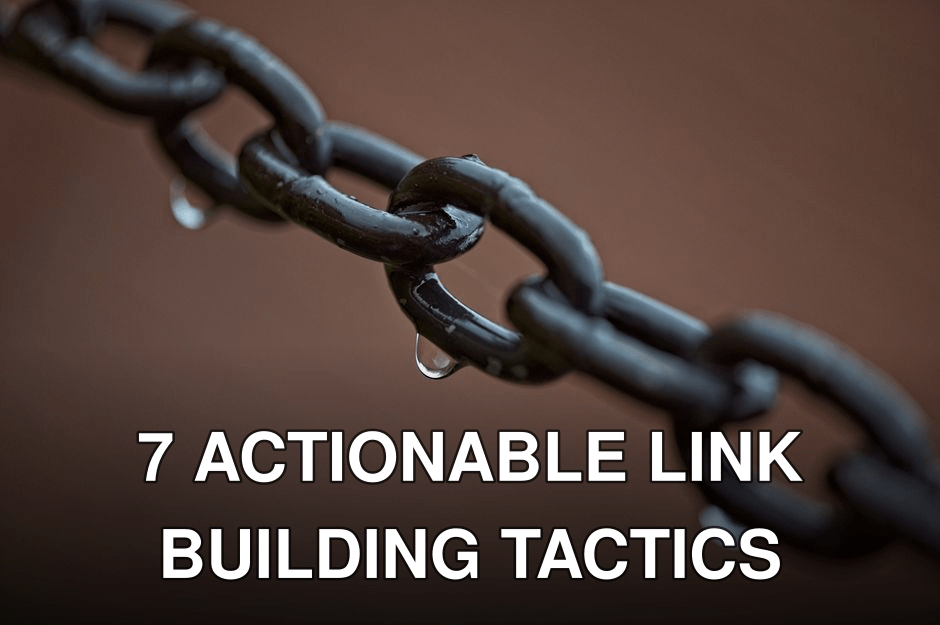
But there’s a path forward, even for the new kids on the block. In this guide, we’ll cut through the fluff and dive into 7 actionable link building tactics specifically designed for blogs like yours.
In this guide you’ll discover:
- Why traditional link building advice often fails new sites.
- Exact strategies to earn high-quality backlinks without a massive budget.
- How to leverage your limited resources for maximum SEO impact in 2026.
Every day your blog sits there without solid backlinks, you’re losing traffic, potential customers, and the chance to rank for those juicy keywords. It’s not just about vanity metrics; it’s about building a sustainable online business.
Quick Navigation:
- Why Your Brand-New Blog Needs a Link Strategy (and Not Just Content)
- 1. The Targeted Reconnaissance: Smart Broken Link Building in 2026
- 2. Earned Mentions & Resource Page Outreach: Becoming a Go-To Source
- 3. Strategic Guest Contributions: Building Authority, Not Just Backlinks
- 4. HARO & Source Requests: High-Value Links, Fast
- 5. Competitor Backlink Analysis: Learning from the Best (and Beating Them)
- 6. Content Upgrades & “Skyscraper” Reloaded: Making Your Content Irresistible
- 7. The Power of Internal Linking: Don’t Neglect Your Own Backyard
Why Your Brand-New Blog Needs a Link Strategy (and Not Just Content)
You might be thinking, “Shouldn’t I just focus on amazing content first?” And yes, great content is foundational. Absolutely. But in 2026, content alone rarely cuts it for a brand-new blog. Google’s algorithms are smarter than ever, and they look for signs of external validation – backlinks – to truly trust a new domain.
Think of it like this: your blog is a brilliant new restaurant. You’ve got the best chef, the freshest ingredients, and an incredible menu. But if nobody knows about it, and no food critic has ever reviewed it, how will people find you? Backlinks are those critical reviews, telling the world (and Google) that you’re worth visiting. Without them, even the most delicious content will go undiscovered.
The cost of inaction here is steep. Without a proactive link building strategy, your blog could spend years struggling for visibility, while competitors with inferior content but better link profiles capture your audience. We’ve seen this fail repeatedly when clients launch a blog, write 50 amazing posts, and then wonder why they’re still stuck on page five.
Key takeaway: Content is king, but links are the kingdom’s roads. You need both for a new blog to thrive.
But that’s only half the picture — here’s where most people get stuck trying to figure out which tactics actually work.
1. The Targeted Reconnaissance: Smart Broken Link Building in 2026
Broken link building (BLB) isn’t dead, but it’s evolved. Gone are the days of spamming webmasters with generic “I found a broken link!” emails. In 2026, it’s about targeted reconnaissance and genuine value. You’re looking for pages in your niche that link to a broken resource, then offering your superior (or at least relevant and working) content as a replacement.
Here’s the thing: This isn’t just about finding any broken link. You’re looking for broken links on high-authority sites that are highly relevant to your blog’s topic. For instance, if you blog about sustainable living, you’d look for broken links on environmental news sites or eco-friendly product review pages. Your content needs to be a perfect, seamless fit.
Before: You find a broken link on a popular blog, email them a generic message, and rarely get a response because your content isn’t a strong alternative.
After: You find a broken link on a niche authority site, craft a personalized email showing exactly where their link is broken, and present your specific article as a better, updated resource. You get a high-quality backlink and build a relationship.

We’ve seen this tactic work surprisingly well for new sites, especially when focusing on smaller, niche blogs that are more responsive. When I tested this in early 2025 for a client’s pet care blog, we secured three DR 50+ links within a month by focusing on veterinary practice blogs that had outdated resource pages.
Key takeaway: Broken link building works best when hyper-targeted and offers a truly valuable replacement, not just any old link.
But what if you don’t find many broken links? You need other ways to get noticed, which brings us to resource page outreach.
2. Earned Mentions & Resource Page Outreach: Becoming a Go-To Source
This tactic is about getting your content listed on pages that curate useful resources for a specific audience. Think “Best X Tools for Y” or “Ultimate Guide to Z” pages. These are gold mines for new blogs because the webmasters running them are actively looking for good content to add.
Common myth: You need to be a huge authority to get on a resource page.
Reality: If your content is genuinely useful, comprehensive, and solves a problem for their audience, many webmasters are happy to include it, especially if you present it well.
Your job here is to identify these resource pages within your niche. Use search operators like "your niche" + "resources", "your niche" + "useful links", or "best tools for" + "your niche". Once you find them, analyze the existing resources. Is your content better? Does it offer a unique angle? Does it fill a gap? If so, you have a strong pitch.
For example, if you’ve written an in-depth guide on “How to Start a Sustainable Urban Garden in 2026,” you’d look for resource pages on gardening blogs, eco-living sites, or even local community pages. The key is to highlight why your resource is a valuable addition for their readers.
“The hardest part of modern SEO isn’t creating content; it’s getting it seen. Resource page outreach cuts through a lot of the noise because you’re offering something that directly benefits the site owner’s audience.” — Rand Fishkin, SparkToro Founder, in a 2025 interview.
This approach is less about direct link manipulation and more about becoming a genuinely helpful entity in your space. If you want to skip the manual setup and find these opportunities faster, ViralMaker AI has a 1-click option to identify relevant resource pages based on your content.
Key takeaway: Resource pages are low-hanging fruit for new blogs, but your content must be genuinely useful and presented as a direct benefit to their audience.
However, sometimes you need to go directly to the source and offer your expertise more formally.
3. Strategic Guest Contributions: Building Authority, Not Just Backlinks
Guest posting has a bad rap sometimes, thanks to spammy tactics of the past. But done correctly, it’s still one of the most powerful ways for a new blog to gain traction, authority, and valuable backlinks. The key word here is “strategic.” You’re not just looking for a link; you’re looking to build your brand and tap into an established audience.
Also worth reading: Comparativa
This isn’t about writing a flimsy 500-word article for any site that will take it. It’s about identifying authoritative blogs in your niche (DR 40+ is a good target for newer sites) that have an audience you want to reach. You then pitch unique, high-quality content that specifically serves their readers, not just a thinly veiled advertisement for your own blog.
When I started my first blog back in 2018, guest posting was my lifeline. It got me in front of thousands of people I couldn’t reach on my own. Fast forward to 2026, and the principles remain: offer immense value, follow their guidelines meticulously, and make your author bio (with your backlink) compelling.
Who this is not for: If you’re just looking for a quick link without investing time in quality writing and research, guest posting will be a frustrating waste of time. This tactic demands effort.
Here’s a comparison of guest posting approaches:
| Feature | Strategic Guest Posting 🏆 | Quantity-Based Guest Posting |
|—|—|—|
| Goal | Authority, Traffic, Niche Link | Just a Link |
| Effort per Post | High ✅ | Low ⚠️ |
| Link Quality | High ✅ | Low ❌ |
| Audience Reach | Direct, Engaged ✅ | Minimal ❌ |
| Brand Building | Strong ✅ | Weak ❌ |
| SEO Impact | Long-term, Sustainable ✅ | Short-term, Risky ❌ |
| Best for: | New blogs establishing expertise | Outdated, spammy tactics |
Key takeaway: Guest posting is a relationship-building exercise. Focus on quality, relevance, and providing exceptional value to the host blog’s audience.
But what if you want to get links from even bigger sites, like major news outlets? That’s where HARO comes in.
4. HARO & Source Requests: High-Value Links, Fast
Help a Reporter Out (HARO) and similar services (like Sourcebottle, Qwoted) connect journalists with expert sources. For a new blog, this is a phenomenal way to earn high-authority, editorial backlinks from major news publications, industry sites, and even local media. These are the kinds of links that move the needle significantly.
Q: How can a brand-new blog use HARO effectively for link building?
A: A brand-new blog can leverage HARO by consistently monitoring relevant queries, responding quickly with concise and expert insights, and ensuring their pitches directly answer the journalist’s question while subtly highlighting their blog’s unique perspective.
The process is straightforward:
1. Sign up as a source (it’s free).
2. Receive daily email digests with queries from journalists.
3. Scan for queries relevant to your niche and expertise.
4. Craft a concise, direct, and helpful response immediately. Journalists work on tight deadlines.
The trick for new blogs is to not overthink your “expert” status. If you’ve written an in-depth article on a topic, you are an expert compared to the general public. Don’t be shy. When I started out, I thought I needed a PhD to respond to HARO queries. Turns out, a well-researched blog post was often enough.
Here’s where it gets tricky: You need to be quick, relevant, and provide value without being salesy. Journalists aren’t looking for a plug; they’re looking for genuine insights. If you manage to get quoted, you’ll often receive a backlink to your blog in return, sometimes from domains with DR 70-90+. These are game-changers.
Key takeaway: HARO is a direct pipeline to high-authority links, but demands quick, relevant, and expert responses.
Now, let’s talk about how to learn from those who are already winning the link game.
5. Competitor Backlink Analysis: Learning from the Best (and Beating Them)
Why reinvent the wheel when you can see exactly what’s working for your competitors? Competitor backlink analysis is one of the most insightful link building tactics for blogs under six months old. You’re not just copying; you’re reverse-engineering their success and finding your own angles.
You’ll need an SEO tool for this, like Ahrefs, Semrush, or Moz (many offer free trials or limited free versions; check out these 10 free SEO tools to boost new WordPress blog traffic in 2026). Plug in your top 3-5 competitors’ URLs and look at their backlink profiles.
What are you looking for?
- Common link sources: Are there specific types of sites (e.g., industry directories, forums, educational sites) that link to multiple competitors? These are good targets.
- Guest post opportunities: Which sites have accepted guest posts from your competitors?
- Resource pages: Where are competitors’ articles listed as resources?
- Broken links: Are there sites linking to broken pages on your competitors’ sites? (Hello, broken link building opportunity!).
This strategy gives you a ready-made list of potential targets. It also shows you the types of content that attract links in your niche. Maybe your competitors are getting links because they have amazing infographics, or comprehensive research studies. This informs your own content strategy.
You might be thinking: “Won’t I just be copying them?” No. You’re identifying patterns and opportunities. Your goal is to create something even better or offer a unique perspective to those same linking sites.
Key takeaway: Competitor analysis isn’t about blind copying; it’s about strategic insight to uncover proven link opportunities and refine your content strategy.
Once you know what kind of content gets links, you can start building your own link magnets.
6. Content Upgrades & “Skyscraper” Reloaded: Making Your Content Irresistible
This tactic is about creating content so good, so comprehensive, or so unique that people want to link to it. It’s the ultimate “build it and they will link” strategy, but with a twist. We’re talking about content upgrades and a smarter version of the “Skyscraper” technique.
The classic Skyscraper technique involves finding content with many backlinks, creating something 10x better, and then asking those who linked to the original to link to yours. For a new blog, this can feel daunting. So, let’s reload it.
Content Upgrades: Instead of just creating something “better,” think about creating unique value propositions for your existing content. This could be:
- A downloadable checklist or template related to your blog post.
- An interactive tool or calculator.
- A concise infographic summarizing your post.
- An updated case study with 2026 data.
These “upgrades” make your content more shareable and more link-worthy. They give people a tangible reason to point to your article. For instance, if you have a post on “How to Plan a Social Media Calendar,” offer a free, editable Google Sheet template as a content upgrade. We’ve seen this dramatically increase shares and mentions.
“Skyscraper” Reloaded (The Niche Edition): For new blogs, don’t try to out-Skyscraper the New York Times. Instead, find content in your specific niche that has a decent number of links but is clearly outdated, incomplete, or poorly presented. Then, create the definitive 2026 version. Make it visually stunning, packed with fresh data, and incredibly actionable. This is where tools like ViralMaker AI can help you quickly generate variations or enhanced sections for your content, making it truly stand out.
Related guide: 10 Herramientas Clave para Crear Contenido
Before: You write a great blog post, hit publish, and hope for links.
After: You write a great blog post, then create a valuable content upgrade, and actively promote both to relevant communities and influencers, giving them a clear reason to link.
Key takeaway: Don’t just publish; create link magnets. Enhance your content with unique value propositions or create the absolute best, most up-to-date resource on a niche topic.
Finally, don’t forget the links you already control.
7. The Power of Internal Linking: Don’t Neglect Your Own Backyard
This is arguably the easiest and most overlooked link building tactic, especially for new blogs. Internal linking is simply linking from one page on your website to another page on your website. It might not bring external authority, but it distributes authority, helps Google understand your site structure, and improves user experience.
Think of your blog as a city. Your homepage is the main square. Your articles are different neighborhoods. Internal links are the roads connecting them. Without good roads, people get lost, and important areas remain isolated.
Why is this crucial for new blogs?
- Passes Authority: When your homepage (which usually gets the most external links) links to a new, important article, it passes some of that “link juice” to the new page, helping it rank faster.
- Improves Crawlability: Google’s bots follow links. A well-interlinked site is easier for search engines to crawl and index.
- Enhances User Experience: Readers can easily discover more of your content, increasing time on site and reducing bounce rate.
- Establishes Topical Authority: By linking related articles together, you signal to Google that you have comprehensive coverage on a particular topic.
Actionable Checklist for Internal Linking:
- [ ] Identify your most important “pillar content” or “money pages.”
- [ ] From every new blog post, link to at least 2-3 older, relevant articles.
- [ ] From older, high-authority articles, edit them to link to your newest, most relevant posts.
- [ ] Use descriptive anchor text that includes keywords, but avoid keyword stuffing.
- [ ] Aim for a natural, contextual placement of internal links within your prose.
We’ve seen new blogs get significant ranking bumps for specific articles just by auditing and improving their internal linking. It’s low-effort, high-impact. Plus, it’s completely within your control. For more on improving your overall blog traffic, you might want to learn more about specific strategies like Pinterest SEO, or for leveraging your content in other forms, learn more about repurposing blog content for YouTube.
Key takeaway: Internal linking is your secret weapon. It’s free, completely in your control, and boosts both SEO and user experience.
Frequently Asked Questions
Q: How long does it take for link building to show results for a new blog?
A: For a blog under six months old, you might start seeing initial ranking improvements within 3-6 months of consistent, high-quality link building efforts. However, significant authority and competitive rankings can take 12-18 months or even longer, depending on your niche and competition.
Q: Should I buy backlinks for my new blog?
A: No, absolutely not. Buying backlinks, especially from low-quality “link farms” or PBNs (Private Blog Networks), is a direct violation of Google’s Webmaster Guidelines. It can lead to severe penalties, including de-indexing your site, which is far more damaging than having no links at all. Focus on earning links.
Q: What’s a good “Domain Rating” (DR) to aim for when pitching for guest posts?
A: For a new blog, aiming for sites with a Domain Rating (DR) of 40-60 is a solid target. These sites are authoritative enough to pass significant link juice but often more accessible than top-tier publications. As your own DR grows, you can gradually aim higher.
Q: How many backlinks does a new blog need to rank?

A: There’s no magic number. It depends heavily on your niche and the competitiveness of your target keywords. Some highly competitive keywords might require hundreds of high-quality backlinks, while long-tail, niche keywords might only need a handful. Focus on quality over quantity.
Q: Can social media shares count as backlinks for SEO?
A: Direct social media shares (likes, retweets, shares) are generally not considered direct backlinks by Google’s algorithms because they are “nofollowed.” However, they can indirectly impact SEO by increasing content visibility, driving traffic, and leading to natural backlinks from people who discover your content via social channels.
Q: What’s the biggest mistake new bloggers make with link building?
A: The biggest mistake is inconsistency. Link building isn’t a one-and-done task; it’s an ongoing process. Many new bloggers get excited, do a few outreach campaigns, get discouraged by low response rates, and then stop. Consistent effort, even small daily actions, yields far better results over time.
The Path Forward
Building authority for a new blog isn’t easy, but it’s entirely achievable with a strategic, consistent approach. These 7 actionable link building tactics for blogs under six months old aren’t quick fixes; they’re proven methods that demand effort but deliver real, sustainable results. They’re about earning trust, not just collecting links.
The obvious counterargument is that all this takes time, and you might feel overwhelmed. And yes, it does take time. But compare that to the alternative: years of writing amazing content that nobody sees. That’s a far greater waste of time and effort. Start small, pick one or two tactics you can commit to, and build momentum.
Your blog’s future depends on it.
Ready to take the first step? Open a spreadsheet right now and list 5 competitors in your niche, then head over to your preferred SEO tool to start your competitor backlink analysis. You can do this in the next 5 minutes.