




You’ve probably heard it before: backlinks are the backbone of SEO. But here’s the kicker—most small blogs don’t have the budget to hire fancy agencies or pay for high-end tools. Sound familiar? You’re not alone. Many of us have stared at our analytics, frustrated by sluggish growth and wondering how to get noticed without burning through cash.
Here’s the harsh reality: without backlinks, your blog is like a tiny island in the middle of nowhere. Sure, it exists, but nobody’s visiting. And every day you wait to fix this problem, you’re potentially missing out on hundreds (or thousands!) of readers who could discover your content.
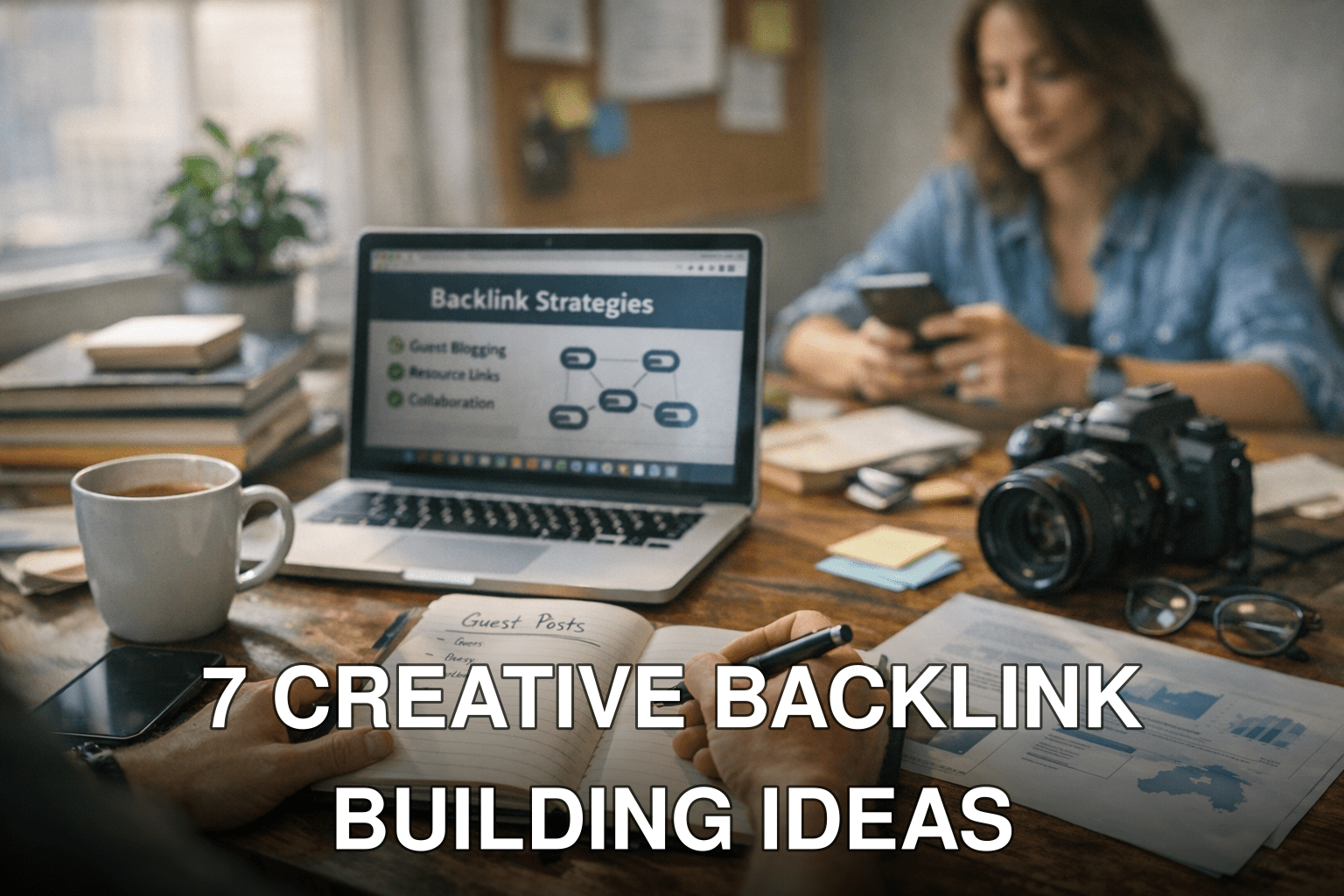
But guess what? You don’t need a big wallet to build high-quality backlinks. In fact, I’m about to show you seven proven strategies that won’t cost you a single dollar.
In this guide, you’ll discover:
1. How to turn competitors’ loss into your gain.

2. A “steal-worthy” email template that gets results.
3. The unexpected power of answering niche-specific questions.
Ready? Let’s dive in.
1. Find Broken Links and Offer Fixes (a.k.a. The “Broken Link Goldmine”)
Here’s a little secret: websites hate broken links as much as we hate spam emails—they hurt user experience and SEO rankings alike. But where there’s pain, there’s opportunity.
How It Works:
You find broken links on other websites, then reach out to suggest replacing them with your relevant content.
Step-by-step process:
Also worth reading: 21 Proven Backlink Ideas for Kickstarting a
1. Use free tools like Ahrefs Broken Link Checker or Check My Links (a Chrome extension) to scan niche-relevant sites.
2. Identify outdated or dead links pointing to pages similar to topics you’ve written about.
3. Draft a friendly email offering your link as an updated alternative.
Here’s an email template I’ve personally tweaked over time:
Subject: Found a broken link on [Their Site]
Hi [Name],
I was reading your article “[Article Title]” and noticed a broken link pointing to [Dead URL]. Since I’ve recently published something similar ([Your Blog Post]), I thought it might make a great replacement! It keeps the resource useful for readers while improving SEO health for your page at no cost 🙂
Let me know if you’d like me to send over more details!
This strategy works because you’re providing value upfront—no strings attached.
Key takeaway: Broken links are everywhere if you know where to look—and fixing them helps both parties win.
2. Guest Blogging Done Right (Without Begging)
I know what you’re thinking: “Isn’t guest blogging dead?” Nope—far from it! But let me be clear: spammy outreach campaigns offering low-effort blog posts are dead. What works in 2026 is personalized pitches with genuinely valuable content ideas.
The Game Plan:
- Identify mid-tier blogs in your niche—not huge ones like Forbes but sites with decent traffic and engaged audiences.
- Pitch hyper-relevant post ideas based on gaps in their existing content library.
For example, if they’ve written “How To Start A Travel Blog,” pitch something complementary like “10 Mistakes New Travel Bloggers Make.”
Once approved, write something so good they’ll want you back—and sneak in natural backlinks within the body or author bio pointing back to key pages on your site (like cornerstone content).
Quick Tip: If you’re short on time but still want results fast, combine guest blogging with another tactic from this list—like repurposing older posts into fresh formats (learn more) before pitching them as “guest contributions.”
Key takeaway: Forget big-name publications—smaller blogs often provide higher ROI when it comes to referral traffic and backlinks.
3. Turn Reddit Questions Into Backlinks
If Reddit isn’t part of your backlink strategy yet… why not? It’s crawling with communities hungry for solutions—but most bloggers miss its potential because they think it’s just for memes and AMAs.
Related guide: read more: 9 Proven Link
Why This Works:
Reddit thrives on authenticity—people trust recommendations from real users far more than another generic Google result. By actively contributing valuable insights (and linking sparingly), you’ll position yourself as an authority and snag some sneaky traffic along the way.
Example Execution:
Let’s say someone asks in r/PersonalFinance: “What are some budget-friendly ways to start investing?” If you’ve got an article titled “5 Investment Tips For Beginners On A Budget,” reply thoughtfully:
“Great question! As someone who started small myself, here’s what worked for me… [Insert actionable tips]. By the way, I wrote more about beginner-friendly investments here if you’re interested: [Your Link].”
The trick is simple: Be helpful first; promote second—and only when relevant!
Key takeaway: Reddit rewards effort and discourages spam—but done right, it’s perfect for backlinks from highly engaged audiences.
4. Create Data Visualizations That Get Shared
Data speaks louder than opinions—and pretty graphs scream even louder! If you’ve conducted any research—or can compile public data creatively—you’ve got gold waiting for backlinks.

Real-Life Example:
A fitness blogger tracked her workouts’ impact over six months using wearable tech stats (calories burned vs hours slept). She turned her findings into visual charts using Canva—for free! Other fitness sites picked up her post simply because they wanted those graphics embedded on their own blogs—with attribution links back!
Pro tip: Share infographics directly via Pinterest or LinkedIn groups specific toward professionals who value visuals (learn more)!
Key takeaway: Data-driven stories + visuals = irresistible bait for other bloggers looking credible sources worth citing directly backlinked inside articles themselves organically too obviously!!


1 Comment
[…] Also worth reading: 7 Creative Backlink Building Ideas for Small […]