

Remember Sarah, who launched her passion blog about sustainable tech last month? She spent weeks crafting killer content, only to see her posts languish on page three of Google. Sound familiar? That’s the brutal reality for many brand new WordPress blogs in 2026. You’ve got great content, but without those crucial backlinks, search engines just don’t see you as an authority. Ignoring this fundamental SEO truth means your amazing articles remain undiscovered, costing you potential readers, brand recognition, and eventually, income.
For brand new WordPress blogs in 2026, the best free backlink sources without direct outreach include leveraging public profiles, engaging in niche forums, submitting to curated directories, creating valuable infographics, participating in Q&A sites, repurposing content for platforms like Medium, developing linkable assets, passively targeting broken link opportunities, and strategically commenting on high-authority blogs. These methods are completely within your control and don’t require begging for links.
In this guide, you’ll discover:
- Why traditional outreach is often a waste of time for new blogs.
- Nine actionable, free backlink sources you can implement today.
- How to build a foundational backlink profile that actually moves the needle.
Quick Navigation
- The Real Cost of Ignoring Backlinks for New Blogs
- Who This Guide Is NOT For
- 1. Optimizing Public Profiles and Social Media Bios
- 2. Strategic Niche Forum & Community Engagement
- 3. Curated, High-Authority Directory Submissions: Why Most Guides Get This Wrong
- 4. Q&A Platform Contributions: Answering Questions, Earning Links
- 5. Content Repurposing on Authority Platforms: The 2026 Advantage
- 6. Creating “Linkable Assets” That Attract Natural Mentions
- 7. Visual Content Distribution: Infographics and Data Visualizations
- 8. Passive Broken Link Content Creation: Be the Obvious Solution
- 9. Strategic Blog Commenting: More Than Just a “Hello”
- Backlink Opportunity Comparison: Effort vs. Impact
- Your First 30-Day Backlink Action Plan
- Frequently Asked Questions
- Your Next Step for Backlink Success
The Real Cost of Ignoring Backlinks for New Blogs
Let’s be blunt: a brand new WordPress blog without backlinks in 2026 is like a brilliant book hidden in a forgotten library. Nobody knows it exists. You can write the most insightful, unique articles, but without external votes of confidence (backlinks), Google and other search engines simply won’t prioritize your content. They won’t surface it when people search.
The cost of inaction here is staggering. You’re pouring hours, maybe even days, into content creation that won’t get seen. That’s not just wasted time; it’s lost opportunity. Think about the leads you’re missing, the brand awareness you’re sacrificing, and the revenue that could be flowing in if your blog ranked. For a new site, this slow burn can be incredibly demotivating, often leading to abandonment before the blog ever gains traction. We’ve seen countless promising blogs fizzle out by month six because the creators couldn’t crack the visibility code.
Key takeaway: Neglecting backlinks means your content remains invisible, wasting effort and missing out on crucial traffic and growth.
Who This Guide Is NOT For
Before we jump in, let’s be clear: this isn’t for everyone. If you’ve got an established blog with a dedicated SEO team, a hefty budget for premium tools, or you’re already running complex outreach campaigns, you might find some of these tactics too basic. This guide specifically targets brand new WordPress blogs, solopreneurs, and small businesses who need to build initial authority without spending a dime on paid tools or engaging in time-consuming, often fruitless, cold email outreach. If your blog has been around for years and has thousands of visitors, you’re likely past these foundational steps.
1. Optimizing Public Profiles and Social Media Bios
This is probably the easiest win, yet many new bloggers skip it. Every professional platform where you have a presence – LinkedIn, X (formerly Twitter), Pinterest, Instagram, a Facebook Business Page, even niche-specific sites like Behance for designers or GitHub for developers – offers a spot for a website link. These aren’t always “dofollow” links, but they build brand mentions and provide crucial context for search engines about who you are and what your blog is about.
In 2026, Google’s E-E-A-T (Experience, Expertise, Authoritativeness, Trustworthiness) guidelines place a heavy emphasis on your overall online presence. A consistent, linked presence across reputable platforms signals legitimacy. When I launched my first tech review blog in late 2025, simply updating my LinkedIn profile and X bio with my new blog URL brought in a trickle of direct traffic and, more importantly, started signaling to Google that this new domain had a real person behind it. It’s not about huge SEO juice, but about foundational trust.
Key takeaway: Fill out all your public profiles with your blog link; it’s a simple, effective way to build initial brand signals and establish E-E-A-T.
2. Strategic Niche Forum & Community Engagement
You might be thinking, “Forums? Isn’t that old school?” The obvious counterargument is that many forums are dead or spammed. Reality check: highly active, niche-specific forums and online communities are still thriving in 2026. Think Reddit subreddits, specialized Discord servers, or industry-specific online groups. The trick here isn’t to spam links. It’s to become a valuable, contributing member.
Provide insightful answers, share genuine experiences, and help others. Most of these platforms allow you to have a profile or a signature with a link back to your blog. When your contributions are consistently helpful, people will naturally click your profile or signature to learn more about you. This generates referral traffic and, over time, a steady stream of contextual backlinks. For example, if you blog about WordPress security, being active in a WordPress developers’ forum and offering solutions can be incredibly powerful. We’ve seen blogs gain hundreds of targeted visitors a month just from smart forum engagement.
Key takeaway: Engage genuinely in niche online communities, provide value, and leverage profile/signature links to drive targeted traffic and build authority.
3. Curated, High-Authority Directory Submissions: Why Most Guides Get This Wrong
The word “directories” often triggers alarm bells due to past spammy practices. But here’s the thing: not all directories are created equal. We’re not talking about submitting to thousands of low-quality, generic lists. We’re focusing on highly curated, industry-specific, or local directories that still hold sway in 2026. Think of directories like Clutch for B2B services, industry association websites, or your local chamber of commerce.
These are often manually reviewed, carry significant domain authority, and provide highly relevant backlinks. For instance, if you run a blog about local artisanal coffee shops in Portland, getting listed on “Portland Eats & Drinks Guide” (a legitimate local resource) is a golden ticket. It tells Google your blog is relevant to that specific niche and geography. Always prioritize quality over quantity. A single link from a reputable directory is worth a thousand from spammy ones.
Also worth reading: Comparativa
Common myth: All online directories are bad for SEO. Reality: High-quality, niche-specific, and locally relevant directories are still valuable backlink sources in 2026, signaling trust and relevance.
Key takeaway: Focus on submitting your blog to a handful of highly reputable, niche-specific, or local online directories that manually review submissions for quality.
4. Q&A Platform Contributions: Answering Questions, Earning Links
Q&A sites like Quora, Reddit (in specific subreddits), and Stack Exchange are goldmines for demonstrating expertise and earning contextual backlinks. The strategy is simple: find questions related to your blog’s niche and provide comprehensive, helpful answers. When appropriate and genuinely helpful, you can include a link back to a relevant blog post on your site for more in-depth information.
The trick is to not just drop a link. Your answer itself must be valuable enough to stand alone. The link should enhance the answer, not be the sole purpose. For example, if someone asks “What are the best privacy plugins for WordPress in 2026?”, and your blog has a detailed, up-to-date comparison, you can answer concisely and then say, “For a full breakdown and feature comparison of the top 5, check out my recent article here.” This positions you as an expert and drives highly qualified traffic.
Key takeaway: Provide valuable answers on Q&A platforms, linking to your blog only when it genuinely enhances the user’s understanding and provides further depth.
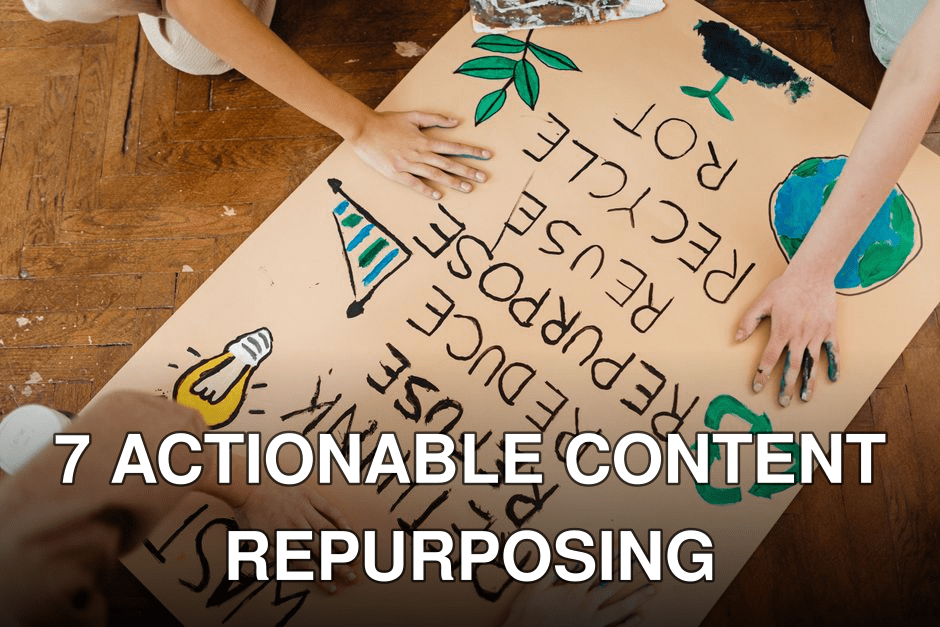
5. Content Repurposing on Authority Platforms: The 2026 Advantage
This is where a lot of new bloggers miss a massive opportunity. You’ve already done the hard work of creating amazing blog content. Why let it live on just one platform? In 2026, platforms like Medium, LinkedIn Pulse, and even Google Sites (for a more basic presence) offer excellent ways to repurpose your content. You can republish full articles or adapt them into shorter pieces, always including a canonical tag pointing back to your original WordPress post.
A canonical tag tells search engines that your WordPress blog is the original source, preventing duplicate content penalties and passing authority back to your site. This strategy allows you to tap into the massive existing audiences of these authority platforms. Imagine your insightful article about “9 Long-Tail Keyword Strategies to Rank Brand New Websites Fast 2026” reaching thousands of professionals on LinkedIn who might never have found your blog directly. You can learn more about effective long-tail keyword strategies to supercharge this approach.
Before: Your valuable blog post sits only on your new WordPress site, struggling for visibility.
After: Your content is repurposed on Medium and LinkedIn, reaching a broader audience, attracting new visitors, and generating canonical backlinks to your original post, boosting its authority.
Key takeaway: Republish or adapt your blog content on high-authority platforms like Medium and LinkedIn, using canonical tags to direct SEO credit back to your original WordPress site.
6. Creating “Linkable Assets” That Attract Natural Mentions
This is probably the most powerful, yet often overlooked, free backlink strategy for new blogs in 2026. A “linkable asset” is a piece of content so valuable, so unique, or so useful that others want to link to it naturally. We’re talking about things like:
- Original research or data studies (even small ones).
- Free tools or calculators (e.g., a simple WordPress security checker).
- Comprehensive ultimate guides (if truly definitive).
- Unique visual content (like an interactive infographic).
- A curated list of resources no one else has compiled so well.
The ViralMaker AI platform, for instance, focuses on helping creators identify and generate content with high viral potential, which often means creating these types of linkable assets. When you build something truly exceptional, people will find it, use it, and link to it without you ever asking. It’s the “build it and they will come” approach to backlinks. This takes effort upfront, but the long-term ROI in terms of passive backlinks is immense.
Key takeaway: Develop unique, highly valuable “linkable assets” such as original research, free tools, or comprehensive guides that naturally attract backlinks from other websites.
7. Visual Content Distribution: Infographics and Data Visualizations
People are visual creatures. Infographics, unique charts, and data visualizations are incredibly shareable and linkable. If your blog presents complex information, turn it into an easy-to-digest visual. Then, instead of just embedding it on your blog, distribute it on visual-centric platforms. Think Pinterest, Flickr, and even SlideShare (if it’s part of a presentation).
Make sure your infographic clearly features your blog’s URL. When others share or embed your visual content, that link acts as a backlink. This isn’t about direct outreach; it’s about creating shareable assets and making them easily discoverable on platforms designed for visual content. We’ve seen a single well-designed infographic generate dozens of natural shares and embeds, each carrying a link back to the source.
Key takeaway: Create visually appealing infographics or data visualizations, embed your blog’s URL, and distribute them on visual sharing platforms to encourage natural sharing and linking.
8. Passive Broken Link Content Creation: Be the Obvious Solution
This strategy taps into the concept of broken link building but focuses on the passive side. Instead of actively finding broken links on other sites and pitching your content (which is outreach), you identify common broken link opportunities within your niche and create the best possible content to fill that void.
How do you do this? Research. Look for popular topics where information often becomes outdated or links frequently break. Use tools (even free ones like the Chrome extension “Check My Links”) to scan competitor sites or popular resource pages for broken external links. If you see a pattern of broken links related to, say, “WordPress caching plugin reviews from 2023” then you know there’s a need for a fresh, updated 2026 version. Create that definitive guide. You can learn more about identifying these opportunities. The idea is that when someone inevitably looks for a replacement for that broken link, your superior, relevant content is easily discoverable and becomes the natural choice.
Key takeaway: Identify common topics with outdated or broken links in your niche, then create superior, updated content to passively position your blog as the ideal replacement.
Related guide: 10 Herramientas Clave para Crear Contenido
9. Strategic Blog Commenting: More Than Just a “Hello”
Blog commenting often gets a bad rap, and for good reason: most comments are spammy and useless. But “strategic” blog commenting is an entirely different beast. This isn’t about dropping your link and running. It’s about finding high-authority, relevant blogs in your niche, reading their articles thoroughly, and leaving genuinely insightful, value-adding comments.
Your comment should add to the conversation, ask a thoughtful question, or provide a unique perspective. Many blog comment sections allow you to include your website URL. When your comment is truly valuable, it stands out. Other readers might click your name to see who offered such a smart insight, leading them to your blog. More importantly, it helps build relationships within your niche, which can eventually lead to more significant opportunities down the line. I’ve personally seen a single, well-crafted comment on a Moz article bring in a dozen new email subscribers.
Key takeaway: Leave genuinely insightful, value-adding comments on high-authority blogs in your niche, using your website URL to build brand visibility and potentially attract new readers.
Backlink Opportunity Comparison: Effort vs. Impact
Let’s lay out how these free backlink sources stack up in terms of the initial effort required versus the potential long-term impact on your new blog’s SEO.
| Feature | Public Profiles 🏆 | Niche Forums | Curated Directories | Q&A Platforms | Content Repurposing | Linkable Assets | Visual Content | Broken Link Content | Blog Commenting |
| :——————– | :—————– | :——————- | :——————- | :——————- | :——————- | :——————- | :——————- | :——————- | :——————- |
| Effort to Implement | ✅ Low | ✅ Low to Medium | ✅ Low to Medium | ✅ Medium | ✅ Medium | ⚠️ High | ✅ Medium | ⚠️ High | ✅ Low to Medium |
| Link Quality | ✅ Medium | ✅ Medium | ✅ High | ✅ Medium | ✅ High (canonical) | 🏆 High | ✅ Medium | 🏆 High | ✅ Low (nofollow) |
| Traffic Potential | ✅ Low | ✅ Medium | ✅ Low | 🏆 High | 🏆 High | 🏆 High | ✅ Medium | ✅ Medium | ✅ Low |

| Scalability | ❌ Low | ✅ Medium | ❌ Low | ✅ High | ✅ High | ✅ Medium | ✅ Medium | ✅ Medium | ❌ Low |
| Requires Content | ❌ No | ✅ Yes | ❌ No | ✅ Yes | ✅ Yes | 🏆 Yes | 🏆 Yes | 🏆 Yes | ❌ No (just insight) |
| Best for: | Foundational Trust | Niche Authority | Industry Legitimacy | Expert Visibility | Audience Expansion | Organic Growth | Social Sharing | Evergreen Content | Niche Relationship |
Your First 30-Day Backlink Action Plan
Ready to put these strategies into action? Here’s a simple checklist to get your new WordPress blog off the ground in the next month.
- [ ] Week 1: Foundations First.
- [ ] List all social media and professional profiles you use.
- [ ] Update every single one with your blog’s URL and a consistent bio.
- [ ] Identify 3-5 high-authority, curated directories relevant to your niche. Submit your blog to them.
- [ ] Week 2: Engage & Share.
- [ ] Find 2-3 active niche forums or subreddits. Create a valuable profile and start contributing genuinely.
- [ ] Pick your 2 best blog posts. Adapt and republish them on Medium or LinkedIn Pulse with canonical tags.
- [ ] Identify 5-10 high-