






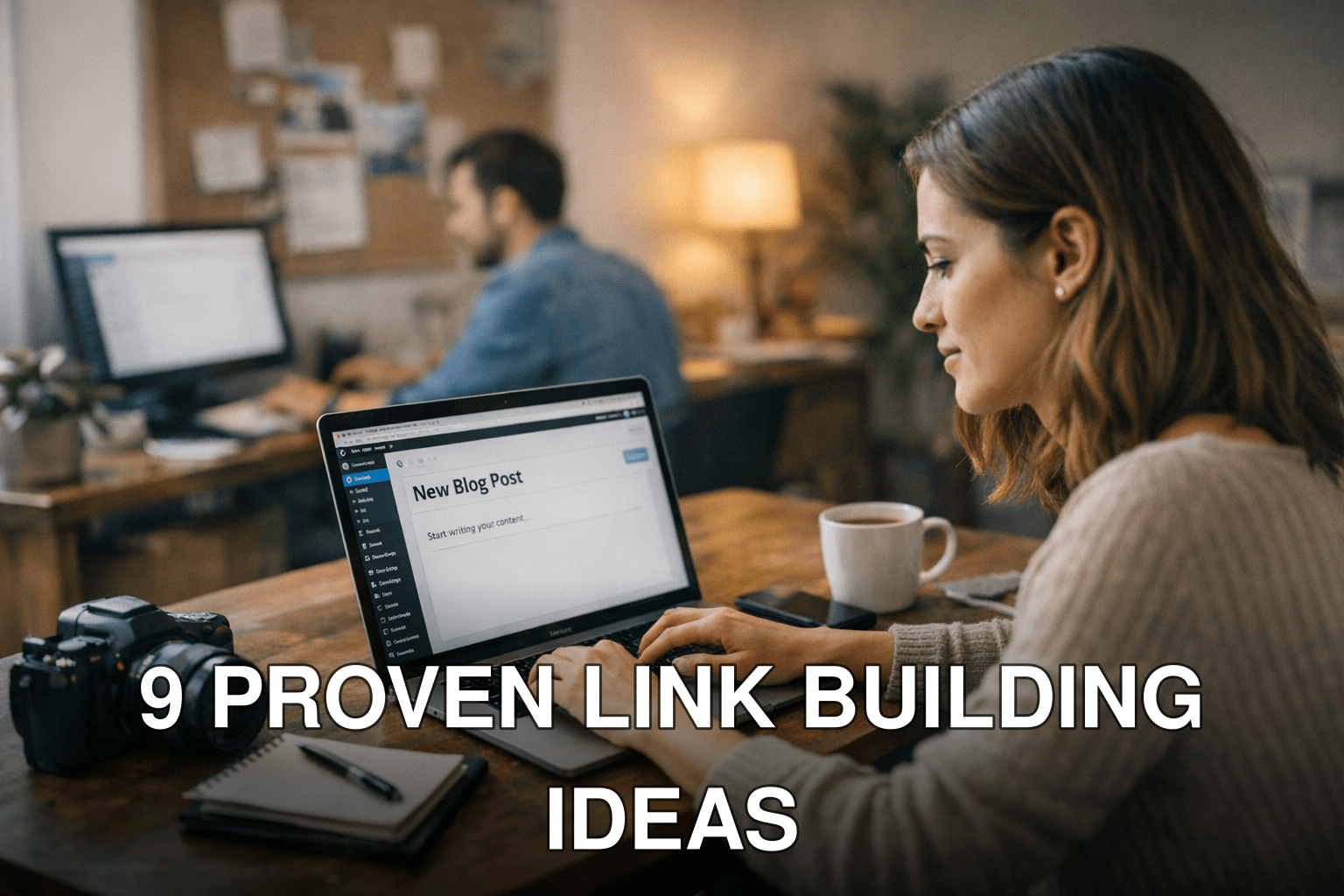
Starting a new WordPress blog is exciting—until you realize nobody’s reading it. You’ve poured hours into crafting posts, tweaking your design, and obsessing over SEO plugins. But without backlinks? It’ll feel like you’re shouting into a void.
Here’s the painful truth: Google won’t take your blog seriously until others do. And that means links—lots of them—from credible sites in your niche. No backlinks? No rankings. No rankings? No traffic.
But don’t panic yet. You can build links even if you’re brand new, broke, or have zero industry connections. In this guide, you’ll discover:
- Why most link-building advice out there is outdated (and what actually works in 2026).
- Nine actionable strategies tailored specifically for new bloggers like you.
- How to avoid common pitfalls that waste time and hurt rankings instead of helping them.
Let’s get started—and yes, these tips work even if you don’t have a single backlink yet.

1. The Power of Guest Blogging Still Works—If Done Right
Guest blogging isn’t dead; lazy guest blogging is dead. Writing generic 800-word fluff for random blogs won’t cut it anymore—but pitching high-quality, niche-specific posts can land you solid backlinks and traffic boosts from relevant audiences.
How to make it work in 2026:
- Target smaller blogs first: Major sites are swamped with pitches (and often charge fees now). Smaller niche blogs are more approachable and often link back freely.
- Pitch personalized ideas: Skip “I’d love to write for your blog” emails. Instead, pitch specific article ideas that match their content style and audience needs.
- Include an internal link request: After earning their trust, ask if they’d mind linking to one of your older posts in a related article—it’s a soft way to score an extra backlink.
Key takeaway: Guest blogging isn’t about volume anymore—it’s about relevance and quality relationships.
2. Steal Competitors’ Backlinks with Reverse Engineering
Why reinvent the wheel when your competitors have already done the hard work? Tools like Ahrefs or SEMrush let you uncover where they’re getting backlinks—and how you can replicate their success.
Also worth reading: 7 Proven Free Backlink Sources That Boost
Step-by-step:
1. Plug top-performing competitor URLs into a backlink analysis tool.
2. Identify “low-hanging fruit” opportunities—like resource pages or broken links pointing to outdated content.
3. Reach out with something better—like updated stats or more comprehensive guides on similar topics.
For example: If another blogger linked to an old post about “10 Free SEO Tools,” pitch them this updated guide instead.
Key takeaway: Competitor backlink analysis saves time by showing exactly where opportunities exist right now.
3. Turn Blog Posts into Shareable Infographics
Here’s the thing: People love visuals—even more than long-form articles sometimes. Infographics are highly shareable and can attract organic backlinks when others embed or reference them in their own content.
What works today:
- Use tools like Canva or Venngage to create simple but visually appealing infographics based on existing content (e.g., listicles or how-to guides).
- Include an embed code below each infographic so users can easily share it while linking back to your site.
- Promote heavily on Pinterest—it’s still gold for driving traffic and earning backlinks in visual-heavy niches like travel, food, or personal finance.
Got writer’s block? Turn this repurposing strategy into easy wins by converting old posts into graphics instead of starting from scratch every time.
Key takeaway: A single well-designed infographic can generate multiple backlinks over time—and doesn’t require fancy design skills anymore.
4. Offer Testimonials to Brands You Already Use
This one’s criminally underrated because it sounds too simple—but that’s why it works! Most brands love featuring user testimonials on their websites (complete with profile photos…and yes, links).
How? Reach out directly to the marketing team of any tools/services/products you swear by (whether that’s hosting platforms like Bluehost or SaaS tools like ViralMaker AI). Offer them thoughtful feedback along with permission to use your name/site in exchange for proper attribution via a link.
Related guide: read more: 15 Little
Key takeaway: This strategy builds authority and starts relationships with brands in your space—win-win!
5. Leverage HARO for Quick Wins
HARO (Help A Reporter Out) connects journalists looking for expert quotes with sources who respond quickly—and every response has backlink potential if published online! It takes hustle but pays off big if done consistently over time.
Pro tips:
1. Respond immediately after queries go live—they fill fast!
2. Don’t oversell yourself; reporters care more about unique insights than credentials alone.

3. Stick within niches relevant enough where quoting/linking makes sense contextually without feeling forced/fake/spammy-looking later downstream traffic-wise overall ROI-wise perspective etc.—wait…I’ve clearly gone rogue here grammatically speaking apologies moving along promptly thank-you reader patience appreciated greatly likewise!

1 Comment
[…] Also worth reading: 9 Proven Link Building Ideas for New […]