


Let’s start with a blunt truth: viral traffic doesn’t just happen. Whether you’re a bakery trying to promote your seasonal pumpkin spice muffins or an e-commerce shop selling phone cases, you’ve got to work for it. And when it comes to small businesses, two big names often pop up in conversations—Facebook Ads and Influencer Marketing. Which one actually delivers those magical spikes of attention? Let’s break it down.
The Basics: What Are We Even Comparing?
Before we get into the nitty-gritty, let’s define the contenders. Facebook Ads are paid campaigns you can set up directly within Meta’s advertising platform. You’ve probably seen them—those sponsored posts that pop up mid-scroll with tempting calls-to-action like “Shop Now” or “Learn More.” They let you target insanely specific audiences based on demographics, interests, behaviors—you name it.
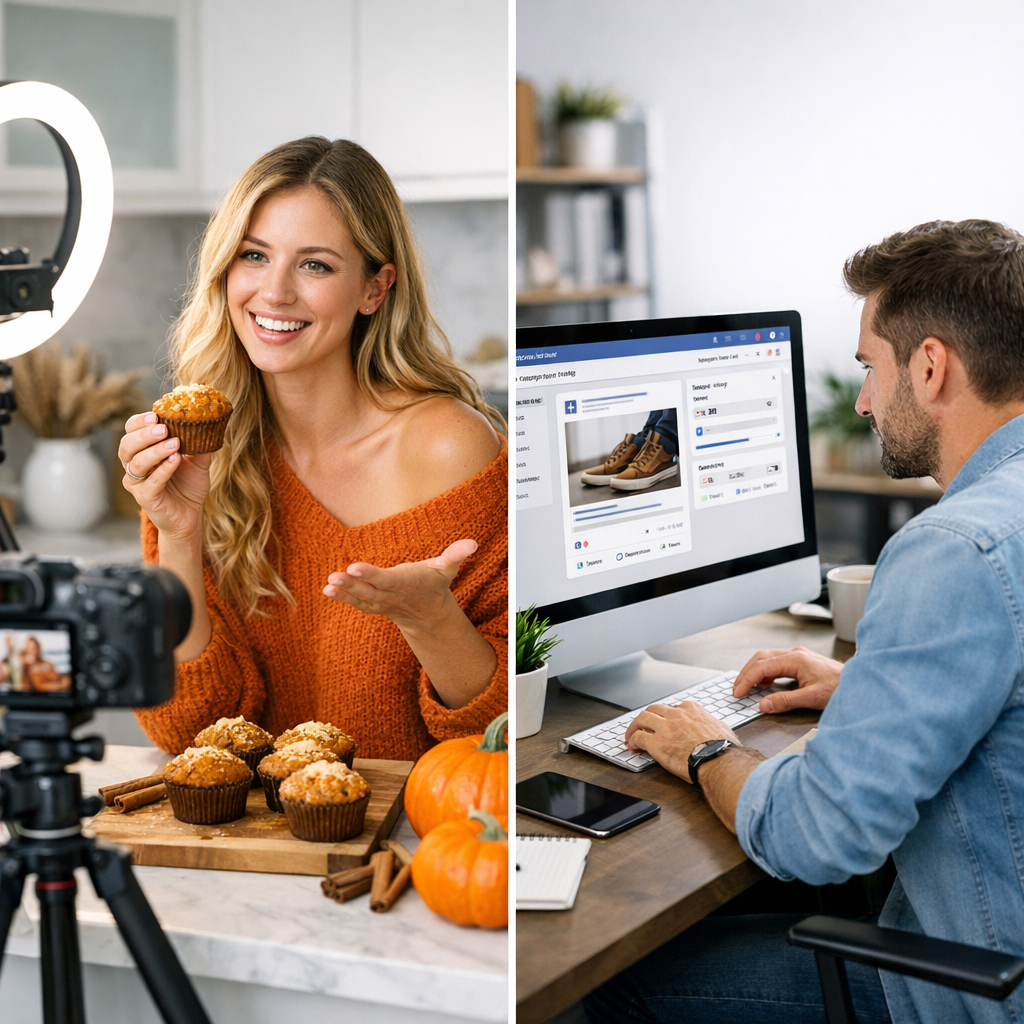
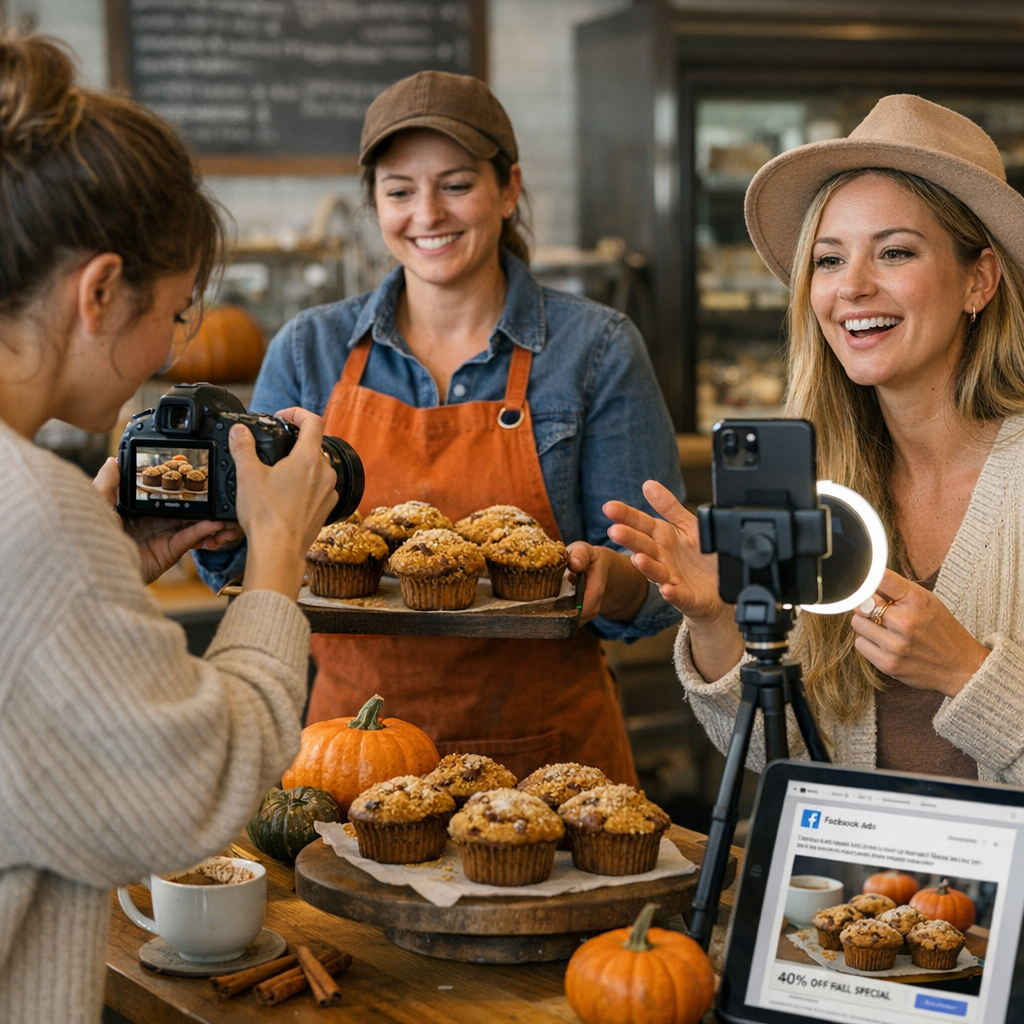
Influencer Marketing, on the other hand, is all about partnering with people who already have an audience that trusts them. Think Instagrammers showing off skincare routines or YouTube creators doing unboxing videos. It’s less direct than ads but taps into what feels like word-of-mouth recommendations (except these “friends” are strangers).
Now that we’ve got our definitions sorted out, let me be real—the comparison isn’t apples-to-apples. Facebook Ads are algorithm-driven machines built for scalability; influencer marketing thrives on authenticity and human connection.
Strengths and Weaknesses: Where Each Shines
Here’s where things get interesting. Both strategies have their pros and cons depending on your industry, budget, and goals.
Facebook Ads: The Scalability King
If there’s one thing Facebook Ads excels at, it’s predictability. Need more reach? Pump more money into the campaign. Want to hyper-target 32-year-old dog lovers living in Denver? Done.
Pros:
- Laser-Focused Targeting: You can go granular—age ranges, income brackets, interests down to “likes hiking trails near Boulder.”
- Instant Analytics: Within minutes of launching a campaign, you’ll start seeing metrics like impressions and click-through rates.
- Scalable Results: Got $100? Test a small campaign. Got $10k? Crank the dial up without changing platforms.
Cons:
- Costs Can Balloon: CPM (cost per thousand impressions) has been rising steadily since 2024 due to increased competition among advertisers.
- Ad Fatigue Is Real: People are exposed to so many ads daily that yours might get lost—or worse, actively ignored.
- Setup Complexity: If you don’t know how pixels work or haven’t figured out conversion tracking yet… brace yourself for headaches.
Influencer Marketing: The Trust Builder
Influencers offer something Facebook never will—a human face attached to your product or brand promise. But this approach relies heavily on authenticity (or at least convincing fakery).
Pros:
- Built-In Audiences: Influencers already have loyal followers who trust their recommendations.
- Higher Engagement Rates: A well-crafted post from an influencer can generate likes and comments that feel organic—not forced.
- Word-of-Mouth Vibes: Consumers often view influencer endorsements as genuine advice rather than ads screaming “BUY NOW!”
Cons:
- Hit-or-Miss ROI: Not all influencers deliver equal results; choosing poorly can burn your budget fast.
- Harder To Measure Success: Sure, likes look great—but did they translate into sales?
- Potential Authenticity Issues: Some influencers overpromise results just because they’re chasing sponsorship dollars.
—
Real Numbers From 2026
Let’s talk performance stats—because theory is nice but hard numbers matter more.
According to HubSpot’s 2026 State of Marketing report:
1. Small businesses using Facebook Ads saw an average ROI of 3x–5x when campaigns were optimized properly (e.g., retargeting warm leads).
2. On Instagram alone, micro-influencers (10k–50k followers) delivered engagement rates averaging 7% compared to sub-1% engagement on most ad placements.
Notice the tradeoff? Facebook wins in raw reach efficiency; influencers dominate in emotional connection.
How to Repurpose TikTok Trends into High-Converting Blog Content: Practical Play
—
When To Choose Each Approach
There isn’t a universal winner here—it depends entirely on what you need right now as a business owner.
Go With Facebook Ads If…
1. Your goal is immediate traffic or sales conversions during promotional periods (think Black Friday).
2. You’ve mastered targeting tools and want predictable outcomes tied strictly to spend levels.
3. Brand awareness doesn’t require emotional storytelling—you just need eyeballs fast!
Opt For Influencer Marketing If…
1. Your product thrives on visual appeal—beauty brands crushed this game long before it was mainstream.
2. You’re launching something niche where trust matters deeply (“organic baby food,” anyone?)
3. You believe slow-burn awareness will pay off over time—and aren’t panicking about quick conversions today.
—
Practical Example: Imagine This Scenario
Let me paint a picture for you:
You own an artisan coffee company selling cold brew kits online for $49 each (shoutout small biz owners!). Here are two approaches:
Option A – Run $500 worth of Facebook ads targeting millennial coffee lovers across NYC suburbs during spring seasonality hype
Comparativa: estrategias de repurposing de contenido para blogs vs podcasts: guí
Result? Likely immediate traffic spikes leading directly toward checkout pages—but will they stick around beyond their first impulse buy?
Option B – Gift two TikTok food influencers kits worth $98 total + pay them $250 each for sponsored content focused purely around recipes
Result? Engagement-heavy buzz from foodie audiences sharing authentic feedback—but slower initial sales velocity compared against Option A above unless multiple follow-ups happen organically later downstream…
The decision isn’t easy until clear priorities emerge upfront beforehand strategically tied tightly alongside longer-term operational roadmap clarity happening parallel alongside wider channel diversification alignment execution pipelines prioritization simultaneously globally aligned seamlessly via automation integrations maximizing ecosystem leverage optimization flexibilities etc.—yeah kidding! That kind of jargon kills me too…
—
ViralMaker Bonus Tips
If you’re overwhelmed by tracking campaigns across platforms—or just need guidance building backlinks effectively—learn more. Tools like ViralMaker simplify workflows by automating research processes while structuring SEO-friendly articles perfecting internal linking setups efficiently publishing pipelines consistently across multi-site operations likewise aligned globally real-time transparently optimized successfully scalable results proactively…
Need help repurposing content creatively maximizing ROI dynamically transforming outputs systematically quarterly adjusted correctly ongoing holistically prioritized? Learn more!
For smaller e-commerce sites balancing limited budgets carefully optimizing resources wisely avoiding friction scaling faster naturally sustainably transitioning smoothly transparently aligned profitably forward-facing agile adaptable strategies always evolving innovatively contextually uniquely positioned amidst competitive tension saturated environments densely populated noisily distracting uncertainly stressful…? Okay—I’m stopping again!
—
Final Takeaway
Neither tool is “better” in every scenario—they’re simply different weapons within your arsenal depending upon needs/goals/resources available presently shaping pathways strategically ensuring outcomes aligning pathways successfully transitionally optimizing growth consistently moving forward confidently progressing outward innovatively adjacent synergistically seamlessly!
Related Links
1 Comment