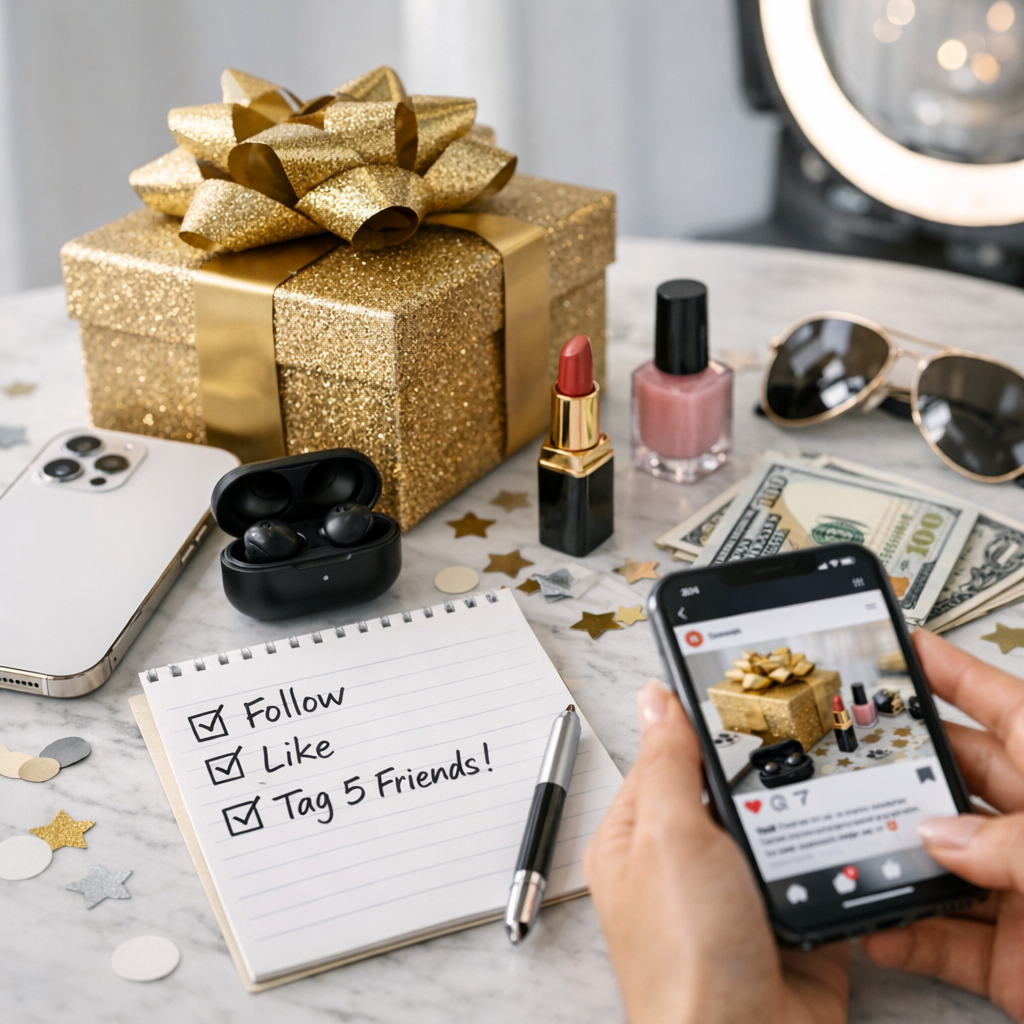
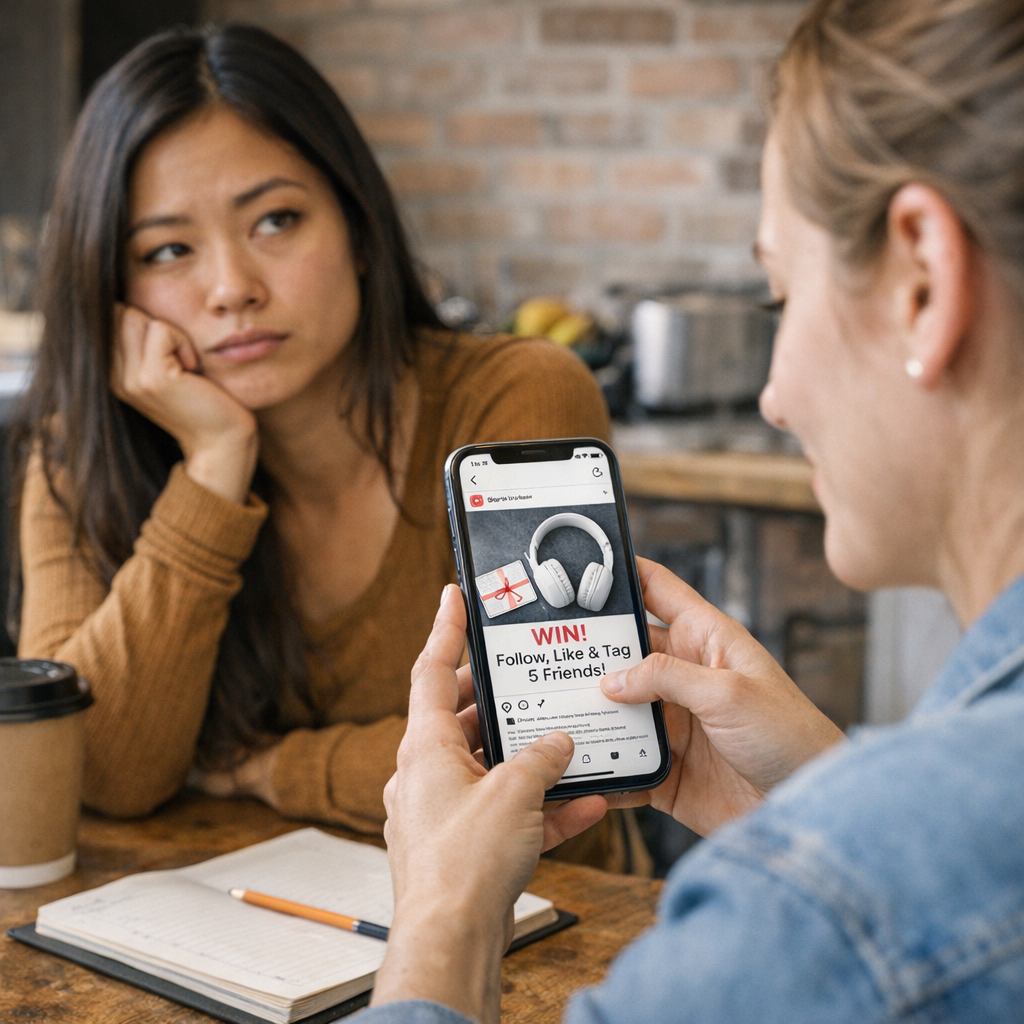
Let’s be honest: most social media giveaways are garbage. You’ve seen them. A brand dangles a shiny prize and asks you to follow, like, and tag five friends. The result? A horde of people who couldn’t care less about the product, spamming their uninterested friends, and then disappearing the moment they realize they didn’t win. That’s not a strategy; that’s shouting into the void.
But when done right, social media giveaways can actually drive real, measurable conversions—and fast. I’m talking about more leads, more sales, and actual engagement with people who care about your brand. Here’s how you do it without wasting everyone’s time or budget.
—
Start With What You Actually Want (Hint: It’s Not Just Followers)
First question: what are you trying to get out of this giveaway? If your answer is “followers,” stop right there. Followers don’t pay your bills—it’s conversions that matter. Whether it’s email signups, app downloads, or straight-up sales, you need to define exactly what success looks like for your business before you even think about prizes or posts.
For example:
- If you’re launching a new product line, aim for pre-orders or email opt-ins for exclusive updates.
- Running an ecommerce store? Get users to redeem a discount code during the contest period.
- For service-based businesses, focus on booking consultations or free trials tied to the giveaway entry.
The clearer your goal is, the easier it’ll be to measure whether your giveaway was worth it—or just another short-lived popularity contest.
—
Pick Prizes That Actually Matter
Here’s where so many brands screw up: they give away something expensive like an iPhone or a $500 Amazon gift card thinking it’ll attract lots of participants (and sure, it will). But let me ask you this—does someone entering for an iPhone care about your business? Probably not. They’re in it for the free tech and will ghost as soon as the giveaway ends.
Instead, choose prizes relevant to your audience and product offering. If you run a fitness brand, give away gym gear bundles or free memberships to your app—not random AirPods. Selling eco-friendly products? Gift baskets filled with sustainable goodies work great.
Real-world example: Last year we ran a giveaway campaign for an online meal kit company where we offered three months’ worth of free meals as the grand prize. Engagement was solid (about 12k entries), but here’s the kicker—73% of participants were genuinely interested in meal kits because that was the hook! Compare that to another client who gave away generic tech gadgets; their conversion rate post-giveaway tanked at under 10%. Lesson learned.
—
Make Your Entry Rules Simple (But Strategic)
Nobody wants homework just to enter a contest. Asking people for too much—like filling out long forms or tagging their whole contact list—is going to kill participation faster than bad Wi-Fi on Netflix night.
12 Best Low-Cost Tools for Running Viral Twitter Polls in 2026: Practical Playbo
That said…don’t make entry too easy either! The key is balancing simplicity with intent-specific actions that move people closer to conversion.
Here are some strategic entry ideas:
- Require email signups if building your list is priority No. 1.
- Ask people to visit your website and answer one simple question related to your product.
- Have them share user-generated content featuring your product in action (this doubles as free advertising).
- Use tools like Gleam.io or Rafflecopter so entrants can rack up points by completing tasks like following social accounts or visiting specific pages on your site.
Pro tip: Always provide clear instructions upfront—if someone has no clue how they’re supposed to participate (or why), they won’t bother at all.
—
Timing Is Everything
Here’s something folks often overlook—when should you launch your giveaway? Timing matters more than ever in 2026 because attention spans have shrunk even further thanks to TikToks and Reels ruling our feeds.
If you’re targeting B2B clients with lead-gen goals tied around webinars or whitepapers…well, good luck getting anyone interested over Thanksgiving weekend when they’re binging Hallmark movies instead of thinking about work.
Similarly:
1) Don’t run summer giveaways if winter-themed products are involved.
2) Tie campaigns around industry-specific events (e.g., World Vegan Day if you’re selling plant-based foods).
3) Jump on trends—but only if they align naturally with what you’re offering; forced tie-ins feel fake and kill trust.
For instance: Valentine’s Day is coming up in February 2026—perfect timing for brands selling gifts like jewelry services OR couples’ wellness experiences (but awkward AF if unrelated retail categories try hijacking hearts unnecessarily).
18 Affordable Tools for Driving Viral Twitter Campaigns in 2026: Practical Playb
—
Use Paid Ads Smartly (Not Desperately)
Organic reach alone won’t cut it anymore—not when Facebook throttles post visibility unless you’re paying up big time (thanks Zuckerberg!). But throwing cash into boosted posts without any targeting strategy is equally useless—it’ll burn through budgets while attracting randoms who bounce after clicking “like.”
Here’s what works:
1) Retarget first – Serve ads promoting giveaways specifically toward past website visitors/email subscribers/customers rather generic cold audiences—they’re already warm leads so higher chance conversions occur!
2)Geo-targeting options allow focusing geographically-relevant audiences e.g restaurants/bars relying footfall localized clientele rather global reach
3)A/B Split Testing Ad Formats Video outperform static creatives most platforms better CTR metrics algorithm preferences AI-driven optimization tweaking ongoing basis
Example Comparison Table:
| Ad Type | Cost/Click ($USD)* | CTR (%) | Best Suited For |
|—————–|——————–|———|————————-|
| Static Image | $0-$50 Low-Mid<
Related Links