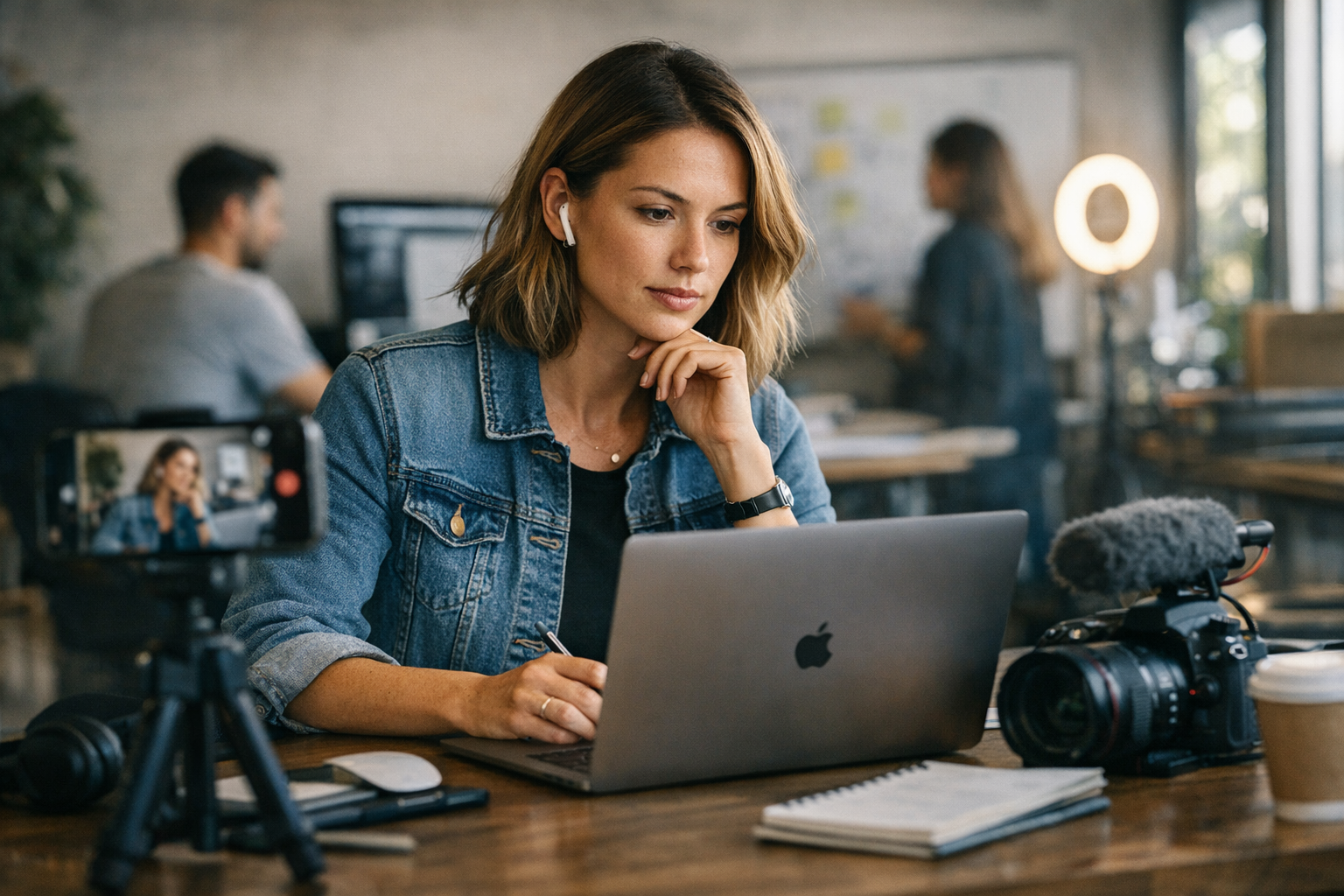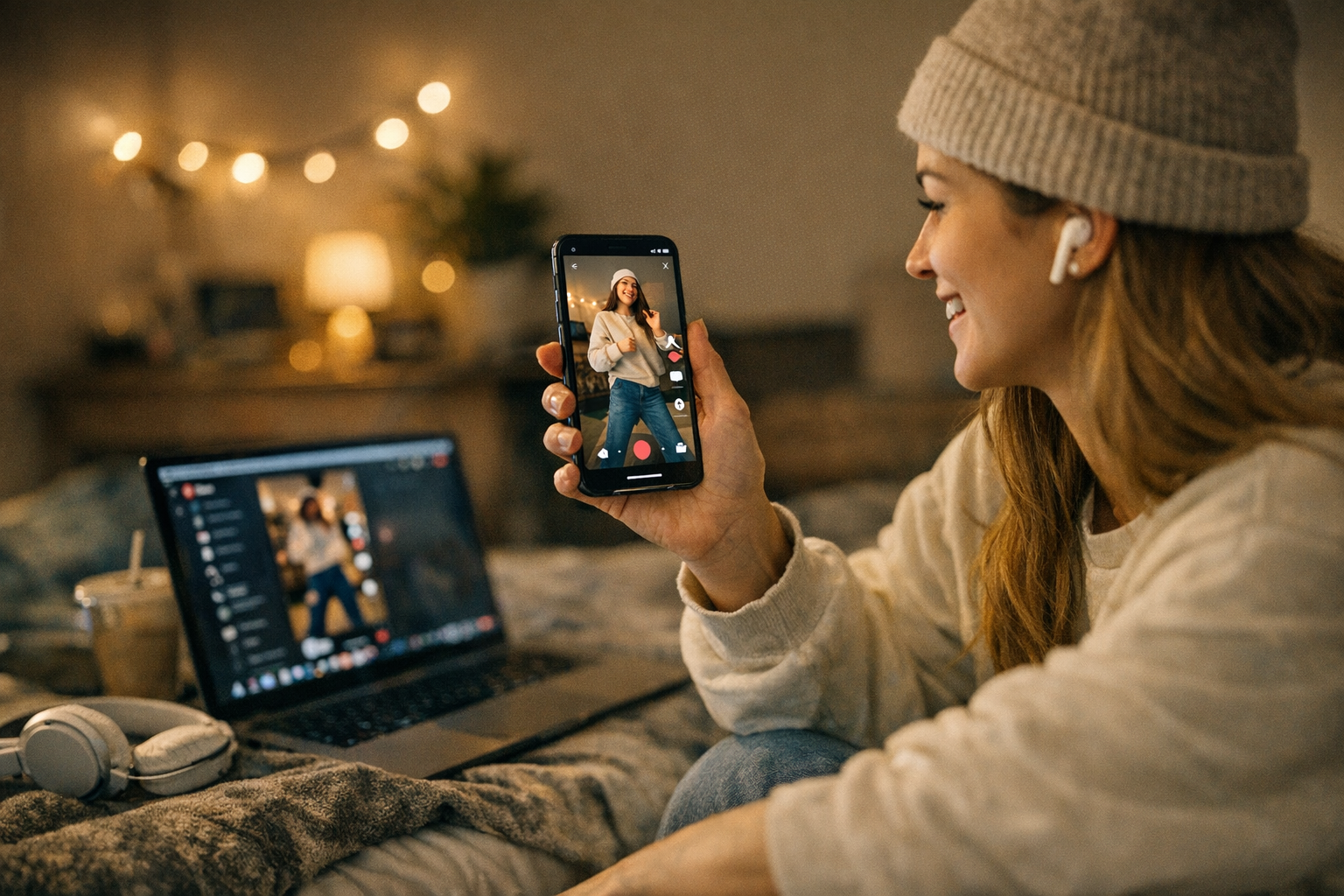
Picture this: You’re scrolling through TikTok late at night, bleary-eyed but unable to stop. Then it hits you—a video that’s so perfectly synced with a catchy audio clip, you find yourself watching it three more times and maybe even sharing it with your group chat. That’s the magic of trending audio. It’s not just background noise; it’s how creators hook viewers and rack up shares.
If you’re trying to figure out how to create videos like that—videos people actually want to share—you’re in the right place. Let’s break down how to use trending audio effectively so your content doesn’t just blend into the endless scroll.
—
Why Trending Audio Is Your Secret Weapon
Let me be blunt: if you’re not using trending audio on TikTok in 2026, you’re making life harder for yourself. The algorithm loves trends—it’s hardwired to reward content that aligns with what’s hot at the moment. When you use popular sounds, your video gets a better shot at landing on more For You Pages (FYPs). More exposure equals more engagement, and if your video strikes a chord? Boom—shares.
But here’s where most people mess up: they slap a trending sound over their video without thinking about context or timing. That won’t cut it anymore. TikTok has evolved since its early days of lip-synced dances; now, creativity matters just as much as riding the trend.
—
Step 1: Find Trending Audio Before It Peaks
Timing is everything. By the time an audio clip is everywhere, it might already be too late for your video to stand out. The key is catching onto trends before they explode—but not so early that no one recognizes them yet.
Here are three places I always check for fresh trends:
1. TikTok’s Discover Page
This one seems obvious, but don’t overlook it! Look for audios tagged with phrases like “Trending” or “Hot.” Scroll through those videos and pay attention: Are several influencers using the same sound? If yes, hop on it now.
2. Creator Playlists
Many TikTok creators curate playlists of “sounds you need” or “audio predictions.” These are goldmines if you follow niche creators who spot trends early (hint: search “trending sounds 2026” in captions).
3. Third-Party Tools
Platforms like Trendpop or Tokboard (yes, they still dominate) track rising sounds by region or category. They’ve only gotten smarter since last year; now they can predict virality within two weeks based on usage spikes.
Real Talk: Sometimes I second-guess myself here. Am I jumping too early? Will this sound fizzle out? My advice—commit if you’re seeing momentum across multiple sources.
10 Proven Viral Content Ideas to Skyrocket Engagement on Instagram: Practical Pl
—
Step 2: Match the Sound With Your Niche
Here’s where a lot of creators lose steam—they pick a trending sound because it’s popular but then force their niche into awkward territory trying to make it fit.
The trick is finding alignment between what you do and what the sound evokes:
- Comedy Accounts: Look for sounds with punchy beats that allow for quick edits or exaggerated reactions.
- Lifestyle Creators: Lean into dreamy instrumentals or narration-based audios.
- Educational Content: Use slower-paced tracks where subtitles can shine without competing with chaotic beats.
Take @PlantParentingPro (a plant care creator) as an example. Last month, she used a trending lo-fi beat paired with text overlays about easy watering hacks—it wasn’t flashy, but her audience loved how effortlessly relatable it felt within her niche.
Keep this mantra in mind: forcing relevance kills authenticity—and TikTok users sniff out fake faster than any other platform’s audience.
—
Step 3: Nail Your Editing Timing
You could have the perfect idea and trending audio—and still flop if your editing feels off. Trust me when I say this is non-negotiable; poorly timed cuts ruin watchability faster than bad lighting ever could.
Here’s my go-to editing checklist:
1. Sync Key Actions With Beat Drops
If there’s a bass drop in your chosen track, time something dramatic—like revealing your final look or flipping an object—to hit right on cue.
2. Cut Ruthlessly
No fluff allowed here! Try keeping clips between 0.5–2 seconds long unless absolutely necessary (like tutorials). Shorter cuts keep viewers hooked longer.
3. Text Placement
Don’t let captions fight against your audio flow—place them during pauses in lyrics or quieter sections of instrumental tracks for maximum impact.
How to Repurpose Podcast Episodes into Buzz-Worthy Social Media Content: Practic
A personal example? I once spent two hours adjusting my transitions frame-by-frame just to line up with Billie Eilish’s whispering vocals from her viral snippet “2026 Edit.” Painful? Yes. Worth it when views crossed 100k overnight? Absolutely.
—
A Quick Reality Check About Copyright
By now you’re probably wondering: “Isn’t using copyrighted music risky?” Here’s the deal—TikTok has licensing agreements covering most audios marked as “Original Sound,” which is why they’re available directly in-app without issues… usually.
That said:
1. Be careful about uploading songs manually instead of using TikTok’s library—that often leads straight to muted videos.
2. Some brands still prefer royalty-free tracks despite these protections (especially larger campaigns), so check guidelines carefully if you’re collaborating professionally!
—
Case Study: How One Creator Blew Up Using Simple Audio Tricks
Last February, @CraftyCornucopia (who posts DIY crafts) was stuck under 5k followers despite solid effort over months… until she tried pairing her clay-making videos with sped-up remixes from Taylor Swift’s re-recordings (“Speak Now [Accelerated Edit]”). She didn’t change much else—same angles, same techniques—but tying her visuals’ rhythm tightly around Swiftie nostalgia skyrocketed shares by 700% within days!
Key takeaway? It wasn’t just what she did but when. Her timing lined up perfectly during Taylor Swift Week buzz throughout March—the coordination pushed her into virality territory almost effortlessly once paired w/ widely-loved pop culture energy!
—
What Happens If You Get It Wrong?
Not every attempt lands—that’s reality! I’ve had my fair share of flops where great ideas fell flat purely due misreading audience vibes OR poor pacing execution mid-posting rushes amidst competing deadlines!!
Still—each flop sharpens instincts better next run-round!