







Integrating AI into SEO workflows has moved from a novelty to a necessity. With tools like Claude Code and Semrush, marketers now have the opportunity to create a self-sustaining, data-driven SEO pipeline that not only simplifies decision-making but also maximizes performance. This guide explores how to transform Claude Code into your personal SEO analyst, leveraging Semrush data for actionable insights. We’ll also examine how platforms like ViralMaker provide the infrastructure to operationalize these insights at scale.
—

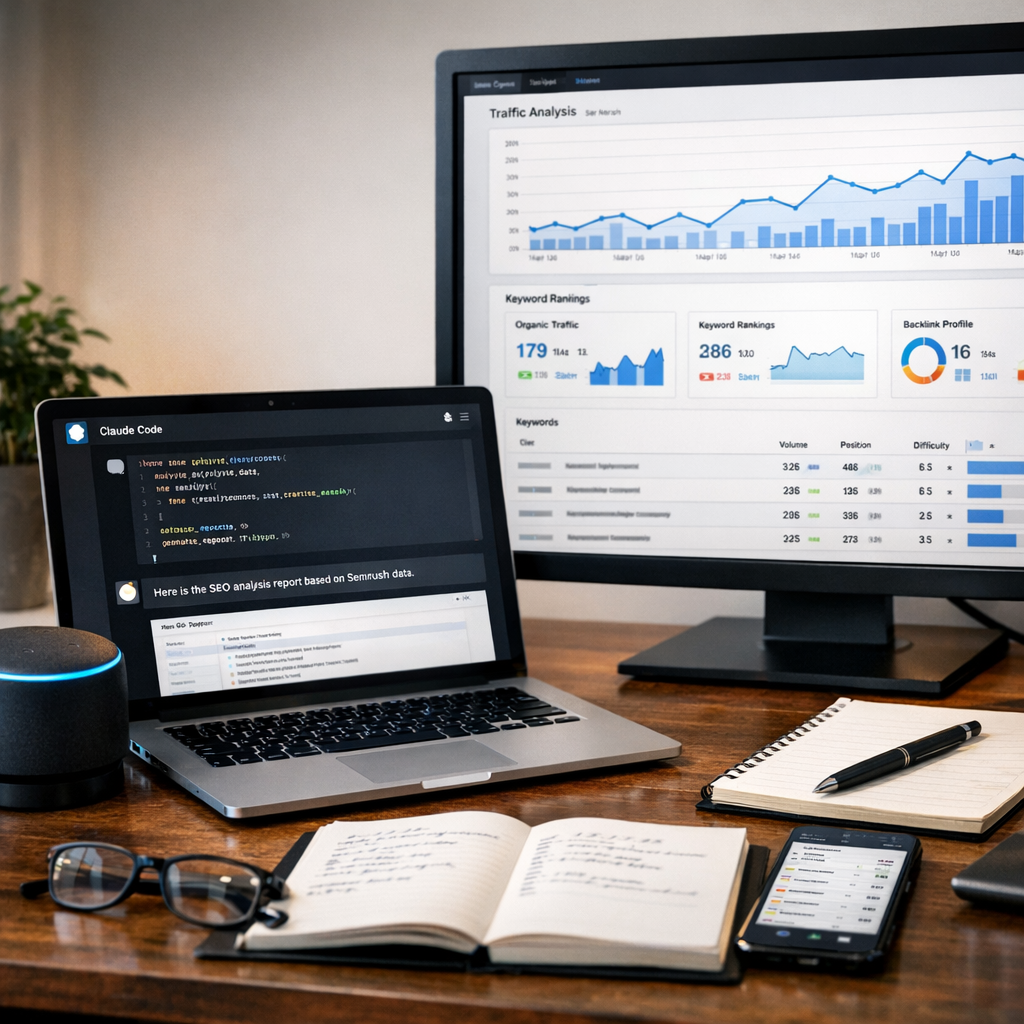
Why Claude Code and Semrush Are a Powerful Combination
Claude Code, Anthropic’s advanced AI assistant, excels at natural language processing and contextual understanding, making it a versatile tool for analyzing SEO data. However, its raw capabilities shine brightest when paired with a robust SEO platform like Semrush. Semrush provides the structured data—keyword trends, backlink profiles, competitive analysis—that Claude can interpret, summarize, and transform into actionable recommendations.
For example, Semrush’s Keyword Gap Analysis can identify untapped opportunities in your niche. Feeding this data into Claude allows you to generate nuanced content strategies, prioritize keywords by competitive difficulty, and even simulate user intent scenarios. The result? A streamlined process where Claude acts as the strategist, and Semrush serves as the data backbone.
—
Step-by-Step: Turning Claude Code into Your SEO Analyst
1. Data Extraction from Semrush
Start by exporting key datasets from Semrush. Focus on:
- Organic Research: Top-performing keywords, traffic-driving pages, and SERP features.
- Backlink Analytics: Referring domains, anchor text distribution, and toxic links.
- Position Tracking: Keyword rankings segmented by device and location.
These datasets provide the raw material for Claude to analyze. For instance, exporting a CSV of your competitor’s keyword rankings allows Claude to identify content gaps and recommend high-impact topics.
2. Prompt Engineering for Claude
Claude’s effectiveness hinges on how you structure your prompts. A well-crafted prompt might look like this:
“Analyze this dataset of competitor keywords. Identify opportunities where our site can rank by targeting low-competition, high-volume keywords. Provide recommendations for content types (e.g., blog posts, videos) based on user intent.”
Claude can then process the data, summarize trends, and suggest actionable next steps. For example, it might recommend targeting “long-tail keywords with informational intent” for blog content while reserving high-competition keywords for pillar pages.
3. Operationalizing Insights with ViralMaker
Once Claude has generated recommendations, platforms like ViralMaker can take these insights and turn them into a fully automated content pipeline. ViralMaker’s workflow includes:
- Research: Automatically pulling keyword and topic suggestions into its system.
- Article Generation: Using AI to draft SEO-optimized content tailored to Claude’s recommendations.
- SEO Structuring: Ensuring proper use of headers, meta tags, and internal links.
- Publishing: Direct integration with WordPress for seamless deployment.
For example, if Claude identifies “best eco-friendly travel tips” as a high-potential keyword, ViralMaker can generate a complete article, optimize it for on-page SEO, and schedule it for publication—all without manual intervention.
—
Real-World Use Case: Scaling Multi-Site SEO
Consider a scenario where you’re managing SEO for multiple sites. Claude and Semrush can handle the strategic layer, while ViralMaker executes the operational tasks. Here’s how this might look:
1. Data Consolidation: Use Semrush to aggregate keyword and backlink data across all sites.
2. Analysis: Claude identifies cross-domain opportunities, such as shared content themes or link-building prospects.
3. Execution: ViralMaker generates and publishes site-specific content, ensuring consistency in tone and SEO structure.
This approach not only saves time but also ensures that your SEO strategy is both data-driven and scalable.
—
Limitations and Fit Criteria
While the Claude-Semrush-ViralMaker workflow is powerful, it’s not without limitations:
- Data Dependency: Claude’s recommendations are only as good as the data you feed it. Incomplete or outdated Semrush exports can lead to suboptimal strategies.
- Learning Curve: Setting up prompts for Claude and configuring ViralMaker workflows requires initial effort and technical know-how.
- Content Quality Control: While ViralMaker excels at automation, human oversight is still necessary to ensure content aligns with brand voice and quality standards.
This workflow is best suited for performance-focused teams managing high-volume content operations, such as agencies or large-scale publishers. For smaller teams, the upfront setup may outweigh the benefits unless automation is a critical need.
—
Alternatives: How Does This Compare?
While Claude and Semrush form a compelling duo, other tools offer similar capabilities:
- ChatGPT + Ahrefs: OpenAI’s ChatGPT can perform similar analyses, and Ahrefs provides comparable SEO data. However, Ahrefs lacks some of Semrush’s advanced features, like position tracking by device.
- Surfer SEO: Surfer integrates AI-driven content recommendations directly into its platform, eliminating the need for separate tools. However, it lacks the flexibility of Claude for custom analyses.
Ultimately, your choice depends on your specific needs. For teams already using Semrush, integrating Claude and ViralMaker offers unparalleled flexibility and scalability.
—
FAQ: Common Questions About ViralMaker and Claude Code
1. Can ViralMaker fully automate my SEO workflow?
Yes, ViralMaker can handle research, content generation, SEO structuring, and publishing. However, human oversight is recommended for quality control and strategic adjustments. Learn more about its capabilities here.
2. How does Claude Code differ from other AI tools?
Claude excels at contextual understanding and multi-turn conversations, making it ideal for complex analyses like SEO strategy. Unlike simpler AI models, it can process nuanced prompts and large datasets effectively.
3. What’s the ROI of using ViralMaker with Claude?
The ROI depends on your content volume and team size. For high-volume operations, the time saved on manual tasks can significantly outweigh the initial setup costs. Check out this detailed breakdown on VIRALMAKER.
—
Final Thoughts
Turning Claude Code into your SEO analyst with Semrush data is not just a technical exercise—it’s a strategic advantage. By combining Claude’s analytical capabilities with Semrush’s data and ViralMaker’s automation, you can create a self-healing SEO pipeline that scales effortlessly. While there are limitations to consider, the potential for efficiency and performance gains makes this workflow a compelling choice for forward-thinking marketers.
Related Links



1 Comment
It’s appropriate time to make a few plans for the future and it is
time to be happy. I have learn this publish and if I may
I want to recommend you few attention-grabbing issues
or advice. Perhaps you can write subsequent articles regarding this article.
I wish to learn more things approximately it!
My homepage :: Seo Marketplace