
Picture this: you just spent months crafting a killer website, optimizing every paragraph and image for SEO, and grinding out content that’s better than anything your competitors could churn out. But somehow, they’re still outranking you on Google. What gives? Nine times out of ten, the problem comes down to backlinks—or, more specifically, your lack of them compared to theirs.
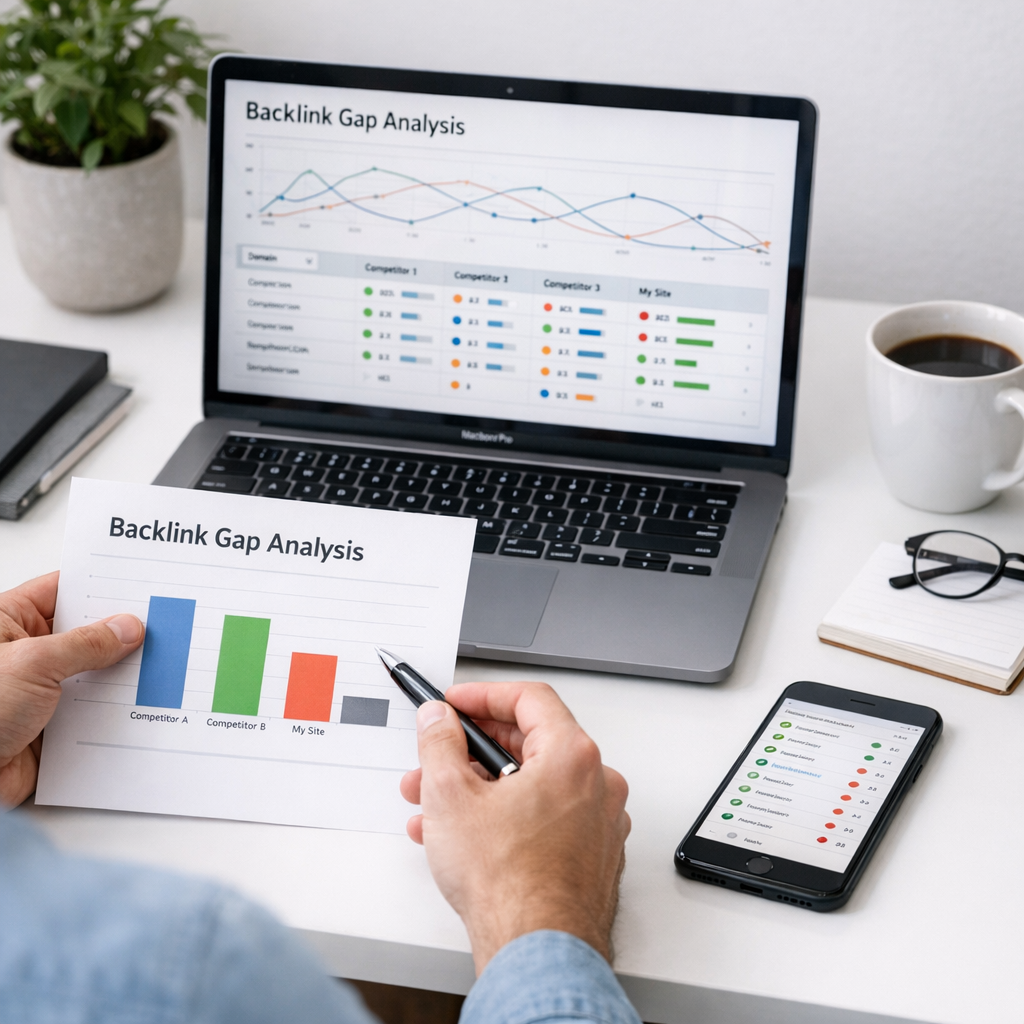
But here’s the good news: there’s a way to flip the script without begging random websites for links or blowing your budget on shady link farms. Enter backlink gap analysis—a strategy that helps you uncover where competitors are getting their backlinks so you can claim those opportunities for yourself. Let me walk you through how it works and why it might just be your secret weapon in 2026’s SEO game.

—
Why Backlinks Still Matter (And Why They Always Will)
I’ll admit it—backlinks aren’t as trendy as AI content or TikTok marketing these days. But Google’s algorithm isn’t about trends; it’s about trust. And in search engine terms, backlinks are still one of the strongest signals of authority and relevance a site can have. Think of them like endorsements: if high-quality sites are linking to yours, Google assumes you’re worth paying attention to.
The thing is not all backlinks are created equal anymore. Spammy bulk links? Dead in the water since at least 2012 (thanks Penguin!). In 2026, quality beats quantity every time—and that’s where backlink gap analysis comes into play.
—
What Is Backlink Gap Analysis Anyway?
Let me keep this simple because jargon sucks: backlink gap analysis is comparing your site’s backlinks with those of your competitors to see where you’re falling short. The goal isn’t just finding any links—it’s finding valuable ones from reputable sites that already boost your competitors’ rankings.
Think of it like seeing what party invites they got that you didn’t—then figuring out how to get on those same guest lists yourself.
—
Real-World Example:
Say you run a fitness blog and want to rank for “best home gym equipment.” You notice Competitor A is killing it on page one while you’re stuck on page two—or worse, three! Using a tool like Semrush or Ahrefs’ Backlink Gap feature, you’d compare their backlink profile against yours and spot patterns like:
- They’ve got three links from niche fitness magazines.
- A blogger reviewed their workout gear guide last year and linked back.
- Their guest post on a popular health website includes backlinks pointing straight at them.
Now you’ve got intel—and intel means opportunity.
Turn Instagram Stories into High-Converting Pinterest Pins (Without Losing Your
—
Tools That Do the Heavy Lifting (And Which Ones Actually Work)
Here’s where things get interesting—and honestly overwhelming if you’re new to this game—because there are tons of tools claiming they do backlink analysis better than everyone else. Spoiler alert: most don’t live up to the hype.
I’ve tested plenty over the years (some great, some garbage), but here are my top picks for 2026:
1. Ahrefs
Ahrefs feels like the gold standard for this type of work because its backlink database is massive—and accurate. Its “Link Intersect” tool shows exactly which domains link to two or more competitors but not to you. Plus, their interface doesn’t make me want to throw my laptop across the room (which is rare with SEO software).
For example: I ran an analysis last month comparing three SaaS brands’ link profiles in my niche using Ahrefs and found over 50 untapped domains linking exclusively to my competition—not me! That list alone became my outreach roadmap for weeks.
Worth It? Yes—but beware of sticker shock if you’re on a tight budget ($99/month minimum). If you’re serious about SEO though, it pays for itself quickly.
—
2. SEMrush
SEMrush has been stepping up its game lately with features like “Backlink Gap.” It works similarly to Ahrefs’ version but throws in bonus data points—like which anchor texts your competitors use most often when earning links.
The downside? SEMrush tries doing everything (SEO audits, keyword research, PPC tracking), so sometimes backlink-specific tasks feel less polished compared with Ahrefs’ laser focus on links.
Pro Tip: Pair SEMrush insights with tools from our 23 low-cost tools list if social sharing plays into your off-page strategy too!
21 Proven Strategies to Make Facebook Ads Go Viral in 2026: Practical Playbook w
—
3. Moz Link Explorer
Moz used to dominate conversations around backlinks but honestly feels dated now compared with newer players like Majestic or SimilarWeb Pro+. That said—it still delivers solid basics if you’re after low-hanging fruit without breaking $100/month budgets right away!
If nothing else…their spam score metric saves headaches by auto-flagging questionable domains before wasting energy pitching bad-fit prospects blindly…
—
| Tool | Best For | Pricing | Key Limitations |
|——————-|—————————————|—————|——————————————————|
| Ahrefs | Comprehensive + beginner-friendly | $99+/month | Expensive; Overkill unless diving deep regularly |
| SEMrush | Multi-purpose marketers | $119+/month ⬆ Great combo value; Sub-par visuals UI-wise⏭️
Related Links