







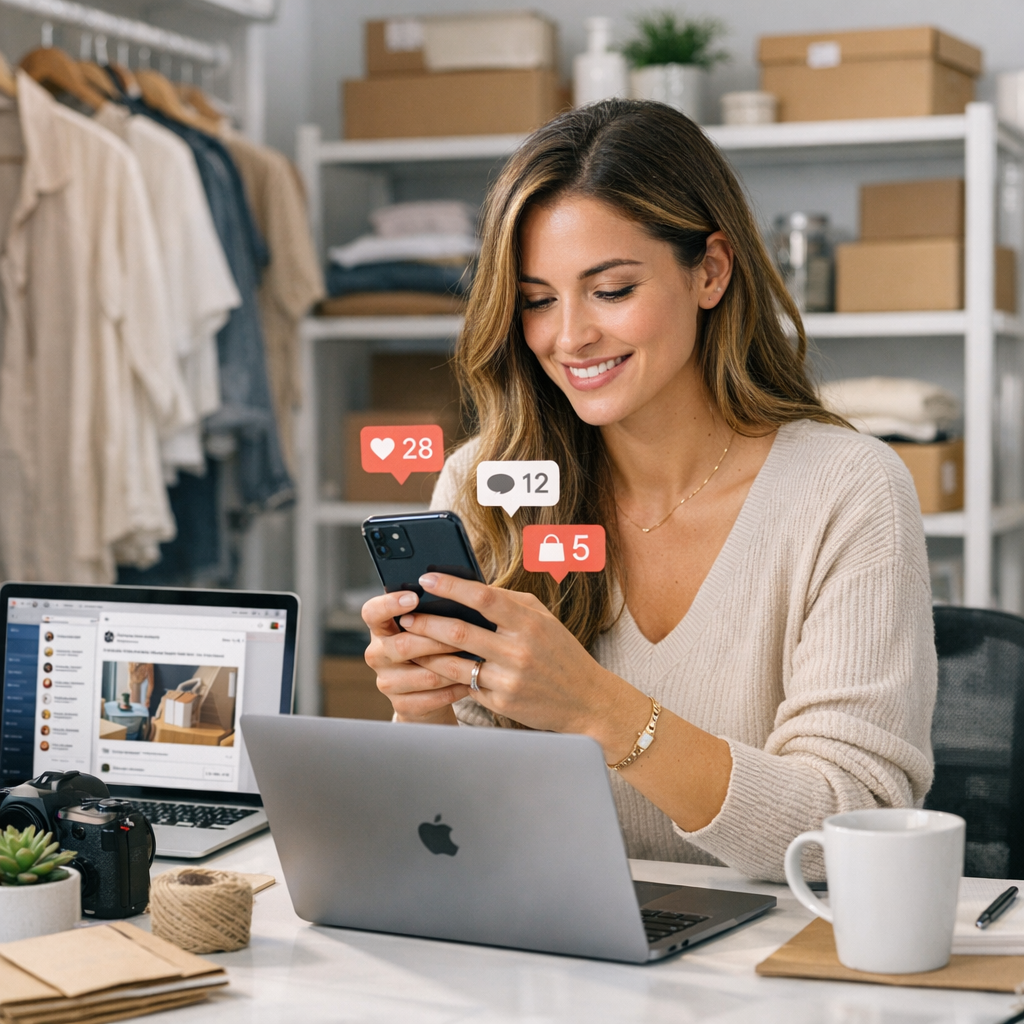
Picture this: you’re running a small e-commerce business, and your social media notifications are blowing up. Customers are asking questions, your latest post is gaining traction, and you’ve got DMs filled with potential leads. It feels great, right? But here’s the kicker—managing all of that takes time. A lot of time.
So, you’re faced with two very different paths. Do you go all-in on organic engagement, spending hours building authentic connections with your audience? Or do you leverage automation tools to streamline the repetitive stuff so you can focus on other parts of your business? Both approaches have their fans—and their skeptics. Let’s break it down and figure out which one actually drives more sales in 2026.

—
What Is Social Media Automation?
In case you’re new to the concept, social media automation involves using tools to schedule posts, respond to messages, curate content, or even analyze performance metrics without constant manual input. Tools like Hootsuite or Buffer have been around for years, but now platforms like ViralMaker AI are taking things up a notch by integrating machine learning to suggest optimal posting times or even write captions for you.
Automation makes life easier. You can prep a week’s worth of posts in an hour and have them roll out while you sleep—or while you’re dealing with inventory issues (because let’s face it, something always goes wrong when you’re running a small business). But does it help with sales? That depends on how wisely it’s used.
—
What About Organic Engagement?
Organic engagement is the old-school method—rolling up your sleeves and interacting directly with your audience. Think replying to comments in real-time, joining Twitter threads about trending topics in your industry, or jumping on TikTok trends authentically instead of scheduling pre-made content.
The goal here is connection over convenience. People love buying from brands that feel “human.” A heartfelt reply to someone complaining about shipping delays could turn an angry customer into a loyal fan who shares your products with friends—and we both know word-of-mouth is priceless.
But organic engagement comes at a cost: your time. And let’s be honest—time is just as valuable as money when it comes to running a business.
—
The Tradeoff: Time vs Authenticity
Here’s where things get tricky. Automation saves time but risks feeling robotic if overused (we’ve all seen those cringe-worthy auto-DMs that scream spam). On the flip side, organic engagement builds trust but doesn’t scale well unless you have a dedicated team handling it 24/7—which most small businesses simply can’t afford.
If you’re running lean—say it’s just you and maybe one assistant—you’ve got to prioritize what truly moves the needle for sales without burning yourself out. And spoiler alert: the best strategy might not be picking one side over the other but finding the sweet spot between both approaches.
—
Real-World Results: Automation vs Organic Engagement
Let’s look at some concrete examples because theory only gets us so far.
Example 1: Clothing Boutique Using Automation
A boutique owner I worked with automated their Instagram posts using ViralMaker AI’s scheduler feature (you can learn more about tools like this). They set up daily promotional posts paired with hashtags optimized by AI suggestions. Over three months:
Hootsuite vs Buffer vs Sprout Social: Which Social Growth Tool is Best?: Practic
- Engagement Rates: Dropped slightly (~13% lower compared to before automation).
- Sales Conversion: Increased by 22%, mostly because they had consistency in posting during peak shopping hours without missing days due to busy weekends.
The owner admitted they felt less connected to their followers but loved how easy it was to batch-create campaigns during slow afternoons instead of scrambling daily for new ideas.
Example 2: Handmade Soap Business Focusing on Organic
Another client—a soap maker—rejected automation entirely and focused purely on organic interactions via Instagram Stories and TikTok Lives. They’d show behind-the-scenes footage of soap-making processes and respond personally to almost every comment about ingredients or skin sensitivities.
Over six months:
- Engagement Rates: Skyrocketed (+35% more likes/comments).
- Sales Conversion: Grew modestly (+8%), mostly attributed to repeat buyers who appreciated the personal touch.
The downside? The founder admitted she was exhausted trying to keep up with growing demand while maintaining such high levels of interaction online.
—
Hybrid Strategies Work Best
If there’s one thing I’ve learned consulting brands across industries—it doesn’t have to be “all or nothing.” Mixing automation with authentic human interactions often delivers better results than leaning too heavily on either approach alone.
Here’s how:
Use Automation As Support
Automate routine tasks like scheduling posts or sending thank-you messages after purchases—but don’t rely on automation for direct customer communication where tone matters (e.g., complaints).
Prioritize Human Touch For High-Stakes Moments
Focus organic efforts where they’ll make the biggest impact—like responding personally during product launches or limited-time sales events when customers are highly engaged.
Leverage Data From Both Approaches
Use analytics from automation tools (like those offered by ViralMaker AI) alongside qualitative feedback from personal interactions to refine your marketing strategy continuously. For example:
- If automated posts get higher reach during evening hours but personal replies boost conversions mid-morning… plan accordingly!
—
Key Comparison Table
| Feature | Social Media Automation | Organic Engagement |
|————————–|———————————————————-|————————————————–|
| Time Investment | Low (initial setup required) | High |
How to Craft a Social Media Strategy That Drives Viral Shares in 2026: Practical
| Scalability | Excellent | Poor |
| Authenticity | Moderate (can feel impersonal if overused) | High |
| Sales Potential | Medium-High (consistency helps drive conversions) | Medium (trust-based sales take longer) |
| Best Use Case | Routine tasks; scaling efforts | Building brand loyalty; addressing sensitive queries |
—
Final Thoughts: Where Should You Focus?
If I had $1 for every time someone asked me whether they should automate everything or stick solely with organic engagement—I wouldn’t need clients anymore! Here’s how I’d break it down:
1. Start small with automation tools that free up basic tasks like posting schedules or tracking analytics.
2. Save human energy for meaningful moments—things machines just can’t replicate yet (think emotional customer service or creative brainstorming).
3. Experiment relentlessly until you find what clicks for your audience because no two businesses are identical—even if everyone uses similar tools!
For more practical tips on automating campaigns effectively without losing authenticity, check out this guide on building viral TikTok ad strategies.
At its core? The goal isn’t choosing between these two strategies—it’s blending them intelligently so neither feels forced nor overwhelming—for both you and your customers alike!
Related Links

1 Comment
[…] Social Media Automation vs. Organic Engagement: Which Strategy Drives More Sales […]