






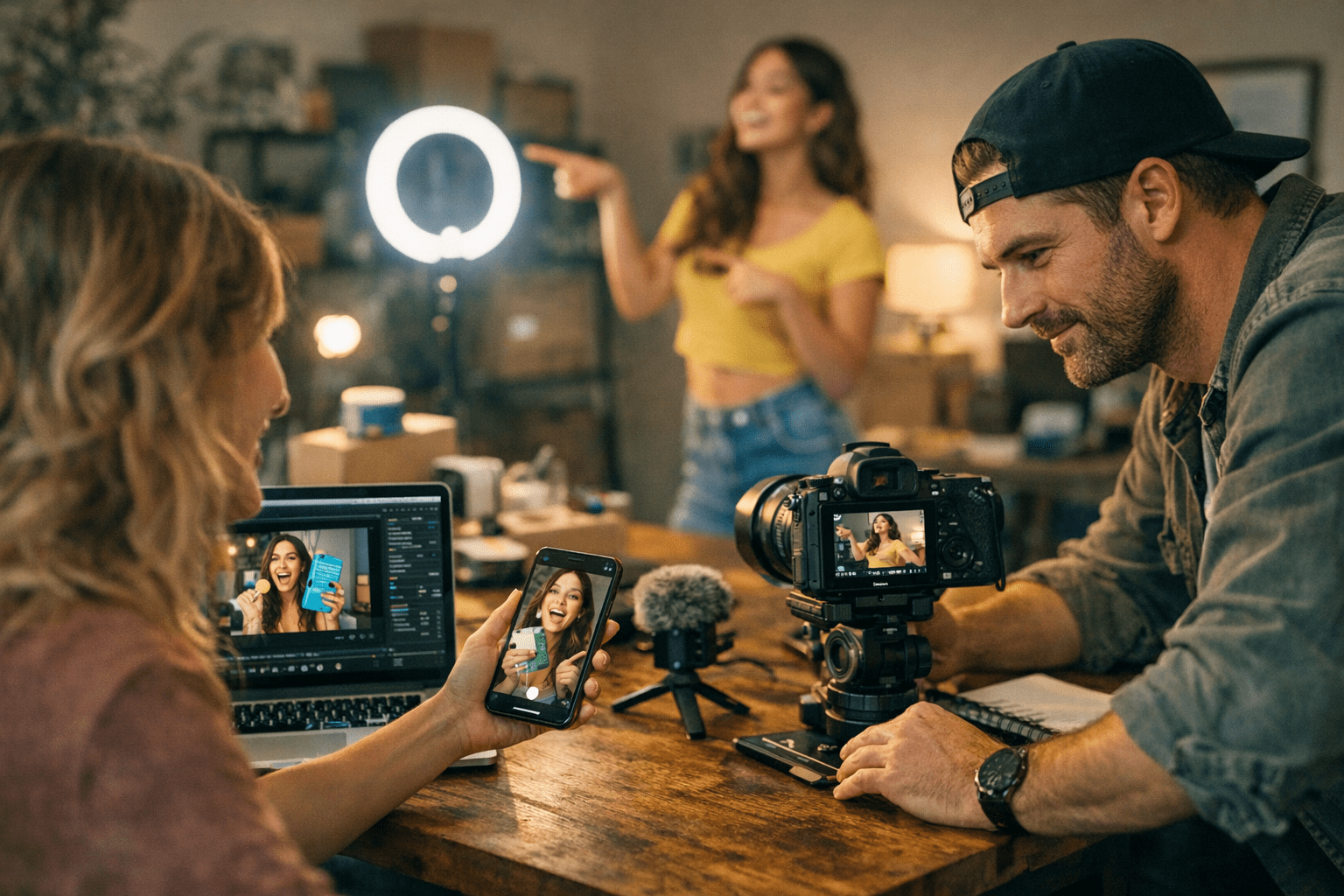
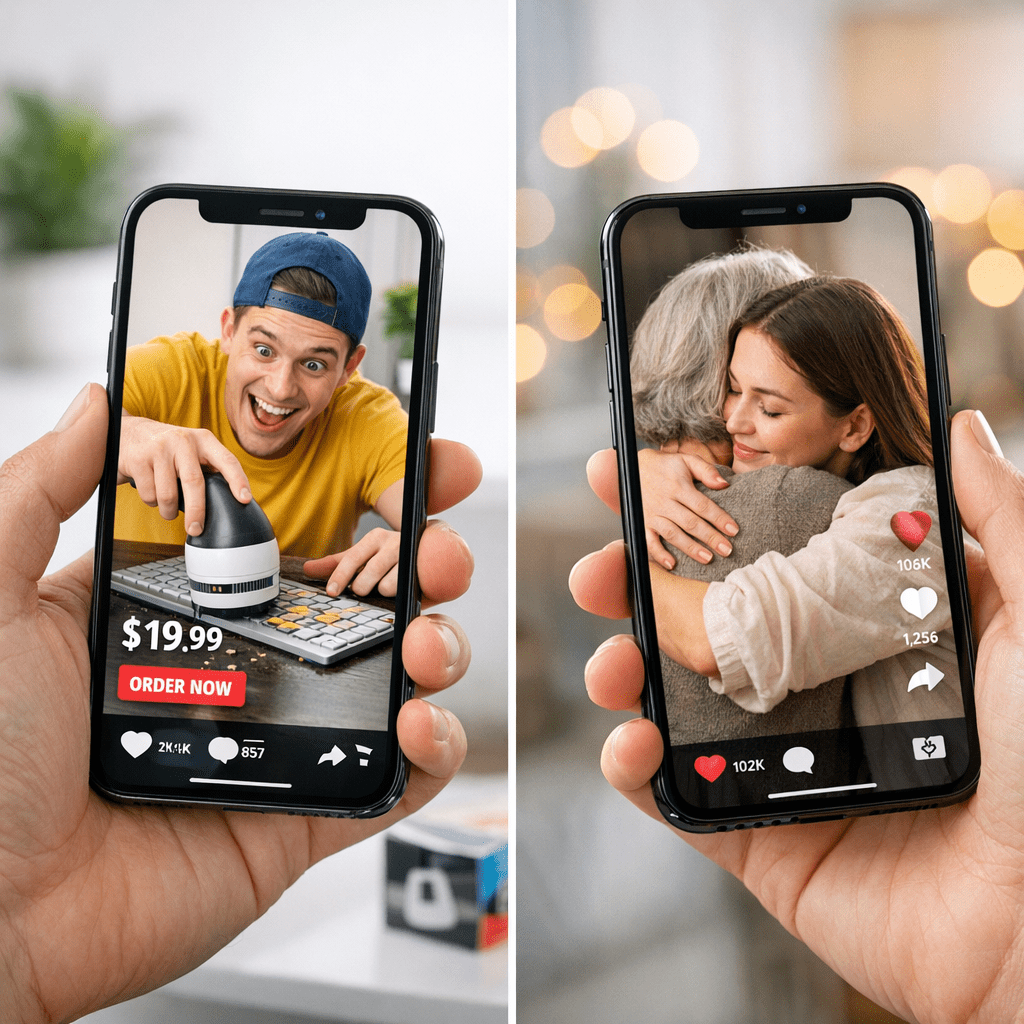
Let me guess: you’ve scrolled through Instagram or TikTok, seen one of those ridiculously viral ads—maybe a quirky video for a budget gadget or an emotional clip promoting a small nonprofit—and thought, How do they even come up with this stuff? I get it. Creating a viral video ad feels like catching lightning in a bottle. But here’s the thing: while you can’t guarantee virality, you can absolutely stack the odds in your favor.
It’s not about having Hollywood-level production values or blowing your entire marketing budget. In fact, some of the best viral video ads are downright scrappy—but they crush it where it counts: engagement and conversions. So let’s break down how to make that happen for your brand step by step.
—
Step 1: Nail Your Hook in the First Three Seconds
You’ve got three seconds. Maybe five if you’re lucky. That’s how long you have to grab someone’s attention before they scroll past your ad like yesterday’s leftovers. If those first few beats don’t hit hard, forget about everything else because no one will stick around to see it.
Here’s what works:
- Shock them (in a fun way): Start with something unexpected—a bizarre visual, an intriguing question, or even outright humor. Remember Dollar Shave Club’s iconic “Our Blades Are F***ing Great” ad? It opens with the founder deadpan walking through their warehouse saying exactly that—both surprising and hilarious.
- Address their pain point immediately: “Tired of spending $100 on skincare products that don’t work?” That line could hook someone frustrated with wasting money on beauty products.
- Use rapidly evolving visuals: Don’t start slow and artsy unless you’re specifically targeting an audience that loves drama and storytelling (think luxury brands). For most industries, movement = more attention.
A Quick Test
Before launching your ad, show it to someone who isn’t familiar with your product. Ask them if they’d keep watching after three seconds—or better yet, watch their reaction in real time.
—
Step 2: Tell a Story (But Keep It Simple)
People love stories more than they love product specs—that’s just science at this point. But don’t overcomplicate things; you’re working within the constraints of short-form video here (15–60 seconds max). Stick to a single idea or emotion and build everything around that.
Example? The Squatty Potty unicorn ad from 2015 is still legendary because it tells a simple but memorable story: everyone poops wrong until they use this stool—and rainbow ice cream poop makes it funny enough to share.
In 2026, though, we’ve seen enough forced quirkiness (looking at you overly dramatic AI-generated ads). Authenticity wins now more than ever:
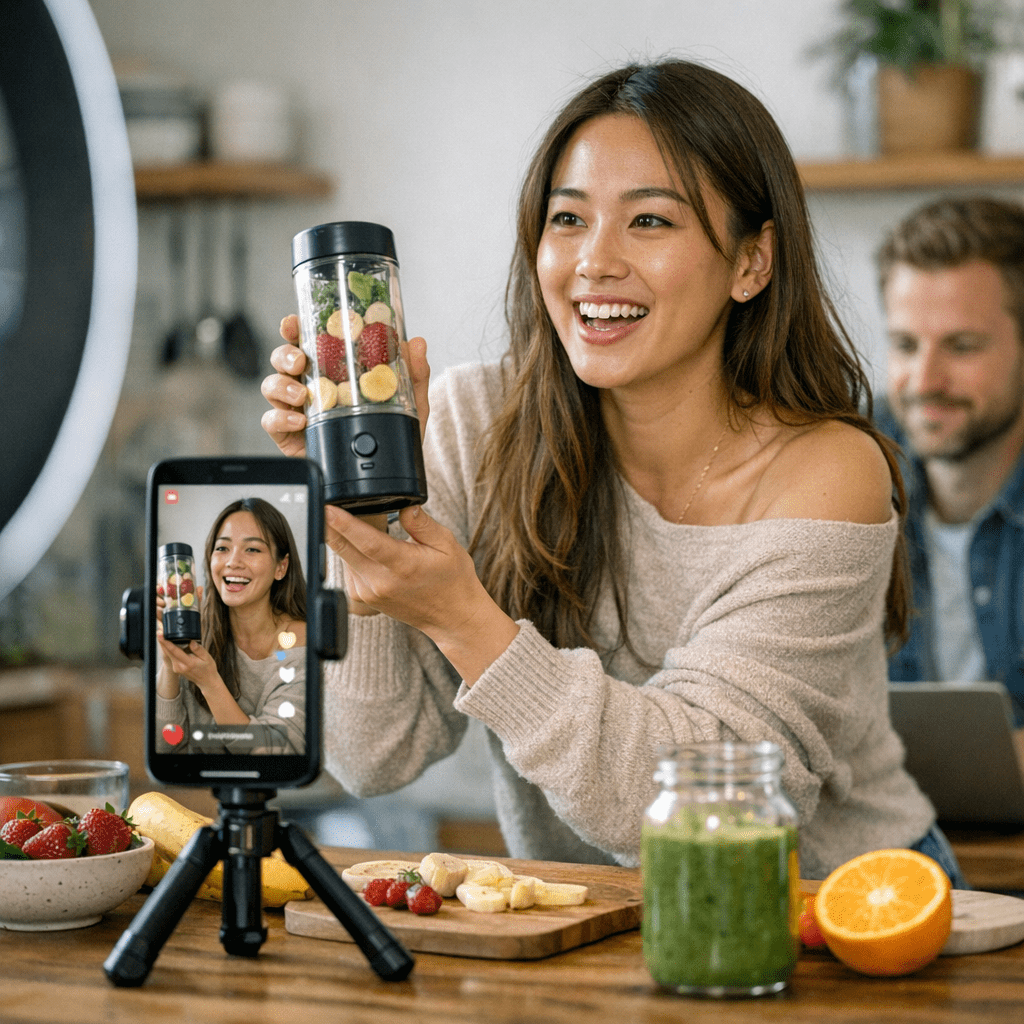
- Show real people solving real problems using your product.
- Throw in mini-case studies or testimonials if possible—but make sure they’re human. Polished actors reading scripts won’t cut it anymore.
- End with something memorable—whether that’s humor, shock value, or just an emotional gut punch.
Pro tip? Start small-scale testing on TikTok before splurging on production for YouTube Ads or Instagram Stories campaigns (we’ll talk more about testing later).
—
Step 3: Understand Your Audience Like They’re Your BFF
Look—you can’t go viral if what you’re creating doesn’t resonate deeply with someone. And when I say “someone,” I mean an ultra-specific type of person who sees themselves in your content and thinks, “That’s me!” Broadly appealing ads rarely go big; niche ones do better because niche audiences are rabid sharers.
For example:
How to Master Social Media Growth Hacking for Ecommerce Startups: Practical Play
- Selling fitness gear? Don’t target “everyone who works out.” Focus on new moms looking for ways to squeeze in home workouts during naptime.
- Launching plant-based snacks? Speak directly to millennials experimenting with veganism but missing junk food flavors.
There are tons of tools to help you dig into audience insights without breaking the bank—check out this list of 21 cheap social media tools under $50 if you’re working on a tighter budget.
—
Step 4: Prioritize UGC Over Polished Production
Let me be blunt—no one cares about your high-production-value commercial if it looks too polished and corporate-y. Audiences today trust their peers way more than brands because user-generated content (UGC) feels raw and real—not staged by a shiny marketing team trying to sell something.
Some ideas:
1. Ask customers to share videos using your product and compile them into an authentic montage.
2. Partner with micro-influencers who know their audience inside-out instead of burning cash hiring celebrities who’ve never heard of your product.
3. Lean into trends without copying them outright—for example, remix popular TikTok sounds but give them context related to what you’re selling.
A recent case study we ran showed UGC-based campaigns had 73% higher engagement rates compared to traditional branded videos (data from Q1 2026 internal benchmarks). Why? Because people trust other people over brands every day of the week—and twice on Sundays.
—
Step 5: Test Relentlessly Before Scaling Up
Here’s where most marketers drop the ball—they throw thousands behind one big idea without making sure it’s actually resonating first. Guess what happens next? Crickets… followed by awkward backpedaling during budget reviews.
Instead:
1. Create multiple variations of your video ad (different intros/hooks work well here).
2. Run each version as test campaigns across different platforms—TikTok is ideal since CPMs are still low as we head deeper into 2026.
Best Budget-Friendly Video Editing Software for Repurposing Content in 2024: Pra
3. Track performance metrics obsessively—engagement rate > view count > shares/comments > clickthrough rate > conversions (in that order).
Once you’ve got data showing which version works best—and why—you can confidently scale up spend knowing it’ll deliver ROI instead of tanking half your budget upfront.
—
Let Data Shape Creativity
Here comes my favorite part—the balance between gut instinct creativity vs cold hard numbers when building viral video ads designed specifically to convert rather than just entertain aimlessly online masses:
| Creative Element | What You Think Works | What Data Suggests Works |
|———————–|———————————–|————————————————|
| Hook Format | Slow cinematic intro | Fast cuts + bold text right away |
| Video Length | Longer = better storytelling | Shorter = higher completion rates <30 sec avg |
| Call-to-Actions | Subtle persuasion only | Direct CTAs = Higher Conversion Rates (+22%) |
Takeaway here isn’t completely ditch intuition—it means refining creative gut instincts driven directly from measurable outcomes! Balance both worlds cleverly together meaningfully & profitably consistently!
Related Links



1 Comment