Maria, a freelance travel blogger, hit “publish” on her latest post three weeks ago. She poured hours into it—great photos, catchy subheadings, even some solid keyword research. But when she Googled her primary keyword? Crickets. Her blog was buried somewhere on page five. Sound familiar?
Here’s the thing: ranking new blog posts isn’t easy, especially in 2026, where competition is fierce and attention spans are shorter than ever. Without ads or an established audience, most bloggers feel like they’re shouting into the void. And every day your post doesn’t rank is a missed opportunity for clicks, leads, and growth. It’s frustrating as hell.
But here’s the good news: you don’t need a big budget or paid ads to make it happen. What you do need is strategy—real strategy that works in today’s search landscape (not outdated tips from 2015). In this guide, you’ll discover:
- Why most SEO advice for beginners fails—and what actually gets results today.
- A step-by-step system to boost rankings for brand-new content without spending a dollar on ads.
- Common mistakes that tank rankings—and how to avoid them entirely.
If you’re ready to stop spinning your wheels and finally get your posts seen by the audience they deserve, let’s dive in.
Quick Navigation:
1. Why Most New Blog Posts Fail to Rank
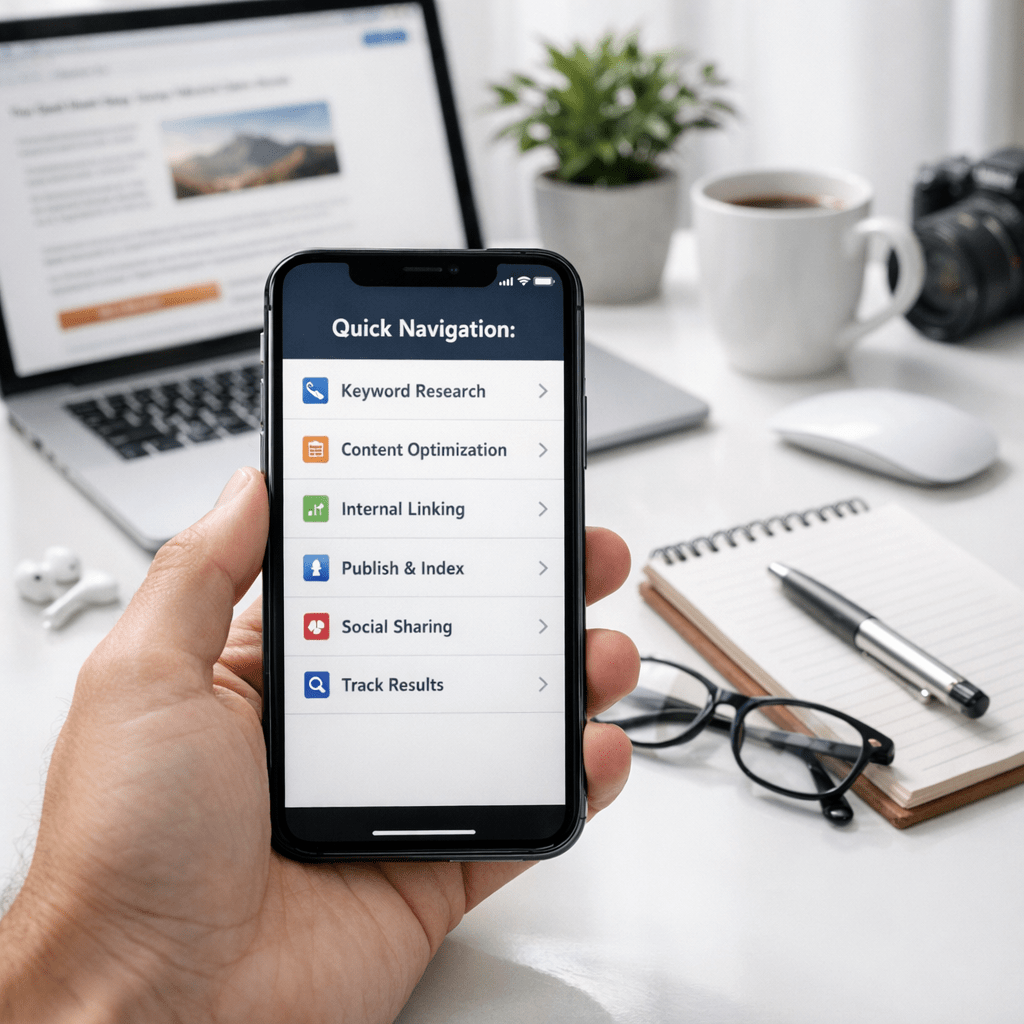
2. The 7-Step System for Ranking Without Ads
3. What Nobody Tells You About Keywords in 2026
4. Link Building for Beginners: Yes, You Can Do It Free
5. 3 Common Mistakes That Kill Rankings (and How to Fix Them)
6. Frequently Asked Questions
Also worth reading: Comparativa
Why Most New Blog Posts Fail to Rank
Let me be blunt: most new posts fail for one simple reason—they’re invisible to Google’s algorithms at first glance. Google doesn’t trust new blogs or content right away because it lacks signals like backlinks, engagement data, and authority metrics that older competitors have built over years.
Sound harsh? It gets worse.
Even if you’ve nailed keyword selection and written something genuinely valuable, newer sites often get caught in what SEOs call the “sandbox effect.” Your fantastic post sits there waiting for Google to notice it while readers flock elsewhere.
Here’s why this happens:
1. No initial traction—Google prioritizes content with proven engagement metrics like clicks or shares.
2. Weak internal linking—If your other pages aren’t pointing back to this new post strategically (more on this later), Google won’t see its relevance.
3. Overcrowded niches—In 2026 alone, over 4 million blog posts are published daily worldwide (source: HubSpot). Standing out takes more than just hitting “publish.”
Key takeaway: If you don’t actively push your post into Google’s spotlight using specific tactics early on (hint: keep reading), it’ll stay lost in obscurity.
The 7-Step System for Ranking Without Ads
Ranking isn’t magic—it’s methodical work done well over time (yes, even without shelling out cash). Here’s the exact process I’ve used repeatedly with success:
Step #1: Nail Down Search Intent
Before doing anything else, ask yourself one thing: What exactly does my target reader want when typing this search query? Are they looking for a solution? A product recommendation? Inspiration?
For example:
- Someone searching “best plants for small apartments” likely wants practical recommendations with photos—not a detailed botanical history lesson.
- On the flip side, “how succulents adapt to dry climates” screams curiosity-driven research intent.
Use tools like AnswerThePublic, Semrush, or even plain old Google Autofill suggestions to figure out what people actually want—not just what keywords they use.
Key takeaway: Matching content format and tone with searcher intent boosts relevance in Google’s eyes.
Step #2: Optimize Like It’s Still 2026
Forget outdated SEO checklists from five years ago; here’s what matters now:
Related guide: 10 Herramientas Clave para Crear Contenido
1. Write concise meta titles under 60 characters—including your primary keyword naturally.
2. Keep paragraphs short (max 3–4 lines) because mobile users dominate traffic now (~58% globally).
3. Use semantically related keywords throughout instead of stuffing exact-match phrases everywhere—Google rewards natural language processing today.
For example:
A post targeting “free link-building tips” should also mention variations like “organic backlink strategies,” “how to build links free,” etc.—without sounding forced.

Step #3: Build Internal Links Strategically
This step is criminally underrated yet wildly effective—and totally free! Link directly from other relevant pages within your site back toward this new article using anchor text featuring related keywords.
Example strategy:
- From an older post about beginner blogging tools → link out naturally as “learn more” about link-building hacks here!
Internal links not only help users navigate but also signal page importance/relevance internally across site architecture which indirectly impacts rank weighting factors too!
Step #4 Create Manual Backlinks FAST USING Outreach Cold-email style pitches tailored uniquely target any emerging low domain/journalist exps