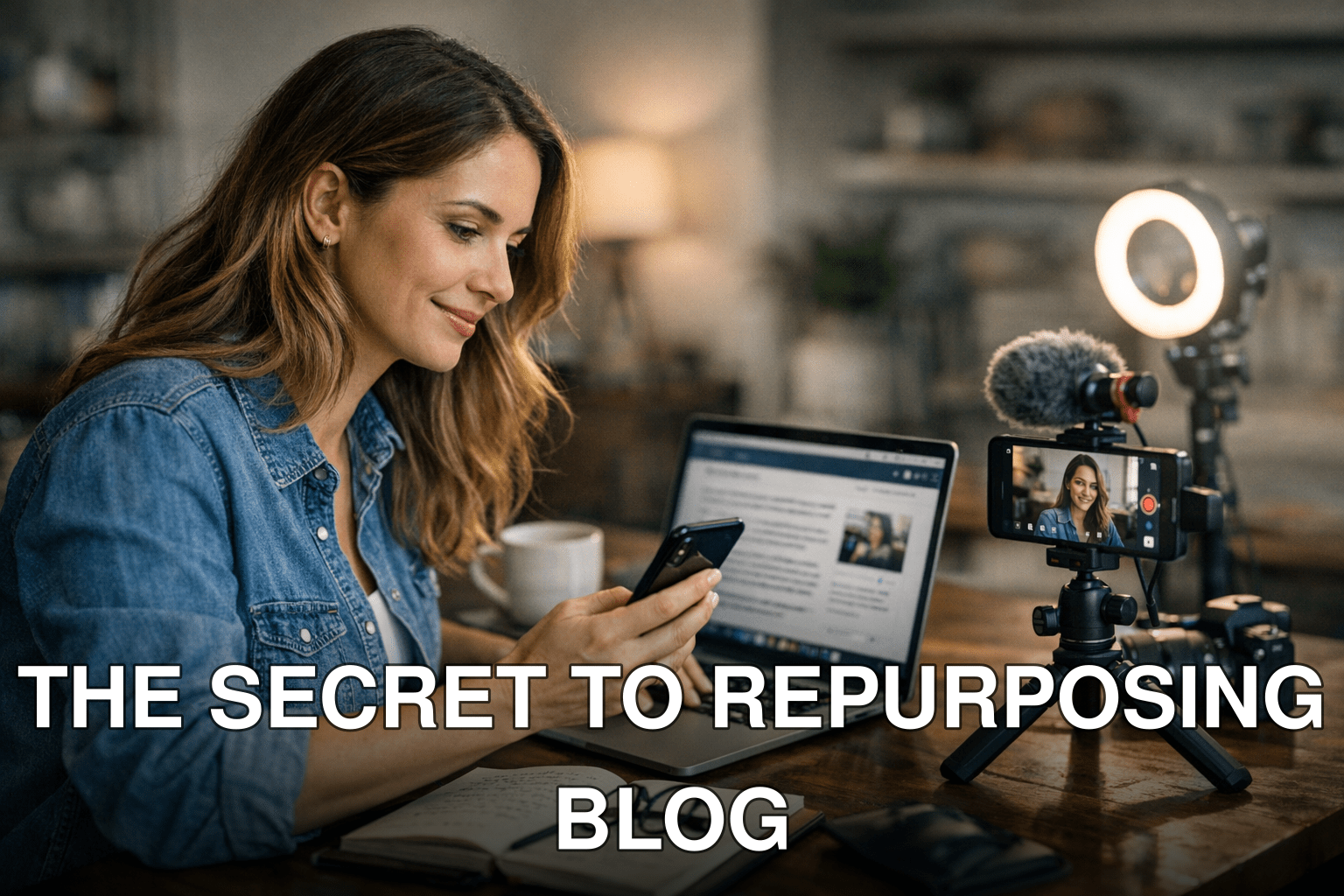
Maria, a content marketer, spent six months writing high-quality blog posts for her business. But despite all the effort, traffic stagnated. Then one day, she noticed something odd: her competitor’s YouTube Shorts—simple 60-second videos summarizing their blogs—were pulling millions of views. Maria had an epiphany: she was sitting on a goldmine of content but wasn’t leveraging it effectively.
Here’s the deal: if you’re not repurposing your blog content into YouTube Shorts in 2026, you’re leaving massive reach and engagement on the table. YouTube Shorts are not just trendy—they’re algorithmically favored by YouTube right now, giving creators an edge to reach new audiences faster than ever before.
In this guide you’ll discover:
- The exact steps to transform blogs into scroll-stopping Shorts that go viral.
- Tools and workflows that save hours of editing time.
- Common pitfalls (and how to avoid them) when jumping from long-form to bite-sized video content.
Let’s be real: most people overcomplicate this process or give up before they start seeing results. Don’t be like them—let’s break it down step-by-step so you can crush it with your repurposed content.
Why Should You Care About Repurposing Blog Content?
You might be thinking, “Why bother creating Shorts when I already have a blog?” Fair question. Here’s why:
1. YouTube is prioritizing Shorts right now – With TikTok eating everyone’s lunch, platforms like YouTube are pushing short-form vertical videos hard. Their algorithm loves fresh Shorts and will serve them to new audiences almost instantly.
2. Expand your audience reach – Not everyone wants to read a blog post in 2026; some people want quick bites of information while scrolling through their feed.

3. Recycling saves time – Creating original video ideas takes effort, but repurposing blog content gives you a head start because the research and structure are already done.
The cost of inaction? Letting competitors dominate this space while your carefully crafted blogs sit idle with no extra visibility.
Quick Navigation
- Step 1: Pick the Right Blogs for Repurposing
- Step 2: Break Down Your Blog into Bite-Sized Chunks
- Step 3: Write Killer Scripts for Maximum Engagement
- Step 4: Tools That Make Editing Easy (Even If You’re Not Techy)
- Step 5: Optimize for Virality on YouTube
Step 1: Pick the Right Blogs for Repurposing
Not all blog posts are created equal when it comes to making great Shorts—some topics lend themselves better to snappy delivery than others. Focus on these types of blogs first:
High-performing posts
Check Google Analytics or similar tools and find which posts bring in consistent traffic or rank well on Google search results. These topics clearly resonate with your audience and have proven demand.
Listicles
If you’ve written posts like “10 Ways to Grow Your Business,” each list item could easily become its own short video segment.
Also worth reading: Comparativa
Evergreen content
Evergreen topics (like “How to Cook Quinoa” or “5 Steps to Better Sleep”) work especially well because they stay relevant year-round.
Posts with clear takeaways
Blogs that teach something simple—like tutorials or quick tips—are perfect candidates for condensing into actionable snippets.
Key takeaway: Start small by focusing on your best-performing evergreen blogs with concise tips or lists—they’re ripe material for engaging shorts.
Step 2: Break Down Your Blog into Bite-Sized Chunks
Here’s where most people mess up—they try cramming an entire 1,500-word blog into one minute of video! That’s overwhelming and boring—viewers will swipe before you even get halfway through your message.
Instead:
1. Identify key points – Skim through your blog and highlight sections that stand alone as valuable insights.
2. Chunk it out – Each key point should fit within a single sentence or two.
3. Create standalone segments – Treat every chunk as if it’s its own complete thought that can live independently from the rest of the article.
For example:
If your blog post is titled “7 Ways To Save Money While Traveling,” each way could be its own short—and you’ve got seven pieces of fresh video content right there!
Step 3: Write Killer Scripts for Maximum Engagement
A good script is everything when it comes to grabbing attention fast in under a minute. Attention spans are shorter than ever on platforms like TikTok and YouTube Shorts—you’ve got three seconds max before someone swipes away.
Here’s how I write scripts:
1. Start strong: Lead with a hook question or bold statement like “Stop wasting money on this travel mistake!” It should make people curious enough not to scroll.
2. Keep it tight: Stick strictly within 100–150 words per Short.
3. End with a CTA: Always leave viewers wanting more—direct them back towards watching another Short OR visiting your full-length blog post (“Want more tips? Check out my full guide linked below!”).
Common myth: “Shorts don’t need scripting—they’re casual.” Reality? Even casual-looking videos often hide tightly crafted scripts behind them.
Step 4: Tools That Make Editing Easy (Even If You’re Not Techy)
Editing used to feel intimidating… until now! In today’s world (2026), there are so many tools designed specifically for non-techies trying their hand at video creation:
Related guide: 10 Herramientas Clave para Crear Contenido
| Tool | Features | Free Plan Available | Best For |
|———————|——————————|———————-|———————|
| 🏆 CapCut | Auto captions, transitions | ✅ | Beginners |
| InVideo | Templates galore | ✅ | Marketing teams |
| Descript | Text-based audio editing | ⚠️ Partial | Podcast clips |
| Canva Video Editor | Drag-and-drop interface | ✅ | Graphic overlays |
My personal favorite? CapCut hands down—it automates captions perfectly (a must-have since most users watch without sound). Plus, it’s intuitive enough not to kill hours figuring things out!
But here’s where most folks trip up—they spend forever tinkering instead of publishing consistently… Don’t let perfectionism stop progress here!

Step 5: Optimize for Virality on YouTube
Making great videos isn’t enough—you also need viewers! Here are three ways smart creators hack growth in today’s crowded space:
1️⃣ Clickable titles & thumbnails: Use curiosity gaps (“You Won’t Believe This Hack”) or numbers (“7 Travel Tips”). Thumbnails should contrast sharply against other visuals in user feeds.
2️⃣ Hashtags matter: Add trending hashtags specific BOTH broadly (#TravelTips) AND niche-focused (#BudgetHacks). Research what competitors use frequently too!
3️⃣ Timing matters!: Publish weekday mornings aligning w/ timezone preferences increases organic traction significantly