





Imagine this: You’ve just hit “Publish” on your shiny new WordPress blog post. You’re excited, hopeful, and maybe even a little smug about how great it turned out. And then… crickets. No clicks, no traffic, no engagement. Sound familiar?
Here’s the harsh truth: just because you published something doesn’t mean anyone will see it. The internet is crowded—like Grand-Central-Station-at-rush-hour crowded. If you want your content to stand out (and actually rank), you need a strategy. But what if you don’t have the budget for ads? Good news: organic traffic isn’t dead—it just takes effort and smarts to capture it.
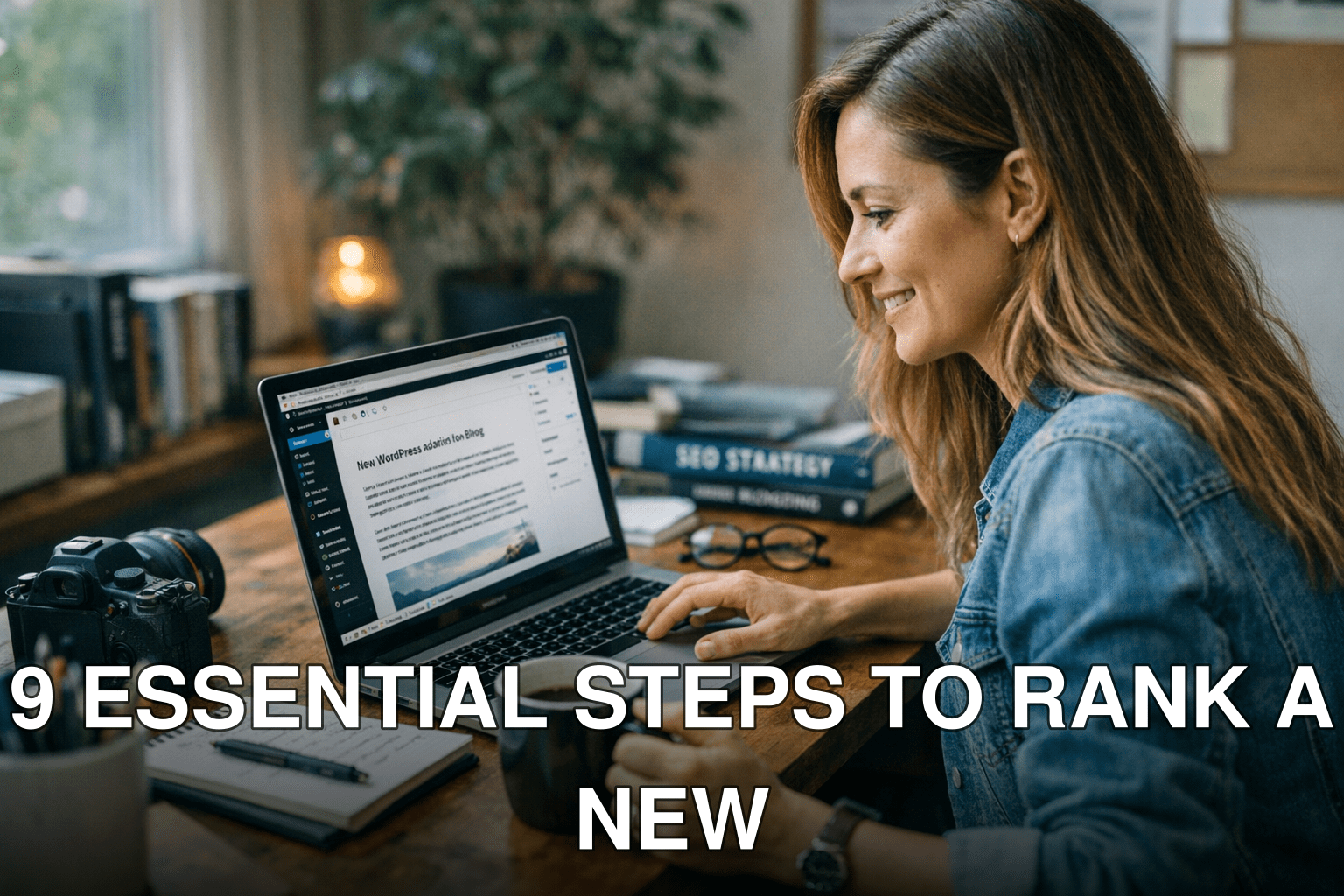
In this guide, I’ll show you exactly how to rank a new WordPress blog post without spending a dime on ads. You’ll discover:
- Why keyword research is critical (and free tools that work in 2026).
- The on-page SEO tweaks most bloggers forget about but Google loves.
- How to build backlinks when nobody knows who you are yet.
Let’s get into it!
1. Start With Keyword Research That Actually Matters
It all begins here—keyword research is non-negotiable if you want to rank organically in 2026. Writing without understanding search intent is like throwing darts blindfolded; sure, one might hit the board, but most won’t even come close.

How Do You Find Keywords Without Expensive Tools?
Forget SEMrush or Ahrefs if budgets are tight—you don’t need them for this step (yet). Instead, try these free options:
1. Google Autocomplete & “People Also Ask”: Type your topic into Google and note what comes up before hitting enter. This gives real-world insight into what people are searching for right now.
2. AnswerThePublic: Still gold in 2026 for generating long-tail keyword ideas based on questions people ask.
3. Ubersuggest by Neil Patel: It’s not as robust as paid tools but works well enough for basic research.
Focus on low-competition keywords with decent search volume (think 100–1,000 monthly searches). Why? Because targeting “how to start a blog” won’t work unless you plan on competing with giants like HubSpot or Forbes—and let’s be honest, they’ll win.
Also worth reading: Comparativa
Key takeaway:
Stop guessing what your audience wants; use tools that tell you exactly what they’re searching for.
2. Write Content That Nails Search Intent
Here’s where many bloggers screw up—they write around the topic instead of answering the question directly.
Search intent boils down to one thing: What does the reader actually want when they type this query? Are they looking for an answer? A product recommendation? A tutorial?
For example:
- If the keyword is “best free WordPress themes,” readers expect a list (not an abstract essay about themes).
- For “how to fix WordPress errors,” they want step-by-step solutions—not fluff or personal anecdotes about your blogging mishaps.
A quick hack? Look at the top-ranking pages for your target keyword and analyze their content structure:
- What subheadings do they use?
- How long is their post?
- What specific questions are answered?
Then create something better—not longer necessarily—but clearer, more actionable, and easier to digest.
3. Optimize On-Page Elements Like a Pro
Good content gets ignored without proper optimization—it’s like baking an amazing cake but forgetting frosting.
Here’s what to optimize:
1. Title Tags & Meta Descriptions: Keep titles under 60 characters and add power words like “Essential” or “Proven.” Meta descriptions should be clear and enticing enough to make someone click.
2. Header Tags (H1/H2/H3): Organize your content logically with keywords sprinkled naturally throughout.
3. URL Slugs: Keep them short and clean (/rank-wordpress-post beats /blog/how-to-rank-a-wordpress-post-without-paying-for-advertising-in-seo).
Related guide: 10 Herramientas Clave para Crear Contenido
4. Internal Links: Link relevant older posts within your site—Google sees this as helpful navigation for users.
5. Image Alt Text & Descriptions: Don’t sleep on image SEO; use descriptive alt text with keywords where appropriate.
Common myth:
“Stuffing more keywords = higher rankings.” Nope! In fact, keyword stuffing can hurt rankings thanks to Google updates prioritizing natural language processing (hello, BERT).
Key takeaway:
Good SEO isn’t hard—it’s just deliberate attention to small details that compound over time.
4. Publish Blog Posts With Consistency—and Patience
Let me tell you something frustrating but true: It takes time to rank organically in 2026—sometimes weeks or months depending on competition levels in your niche.

Consistency matters because search engines reward sites that regularly update with fresh content over those that publish sporadically then disappear into oblivion.
Pro Tip:
Stick with an achievable schedule—a weekly post works better than burning out after trying daily publishing for two weeks straight!
5–7 Placeholder