



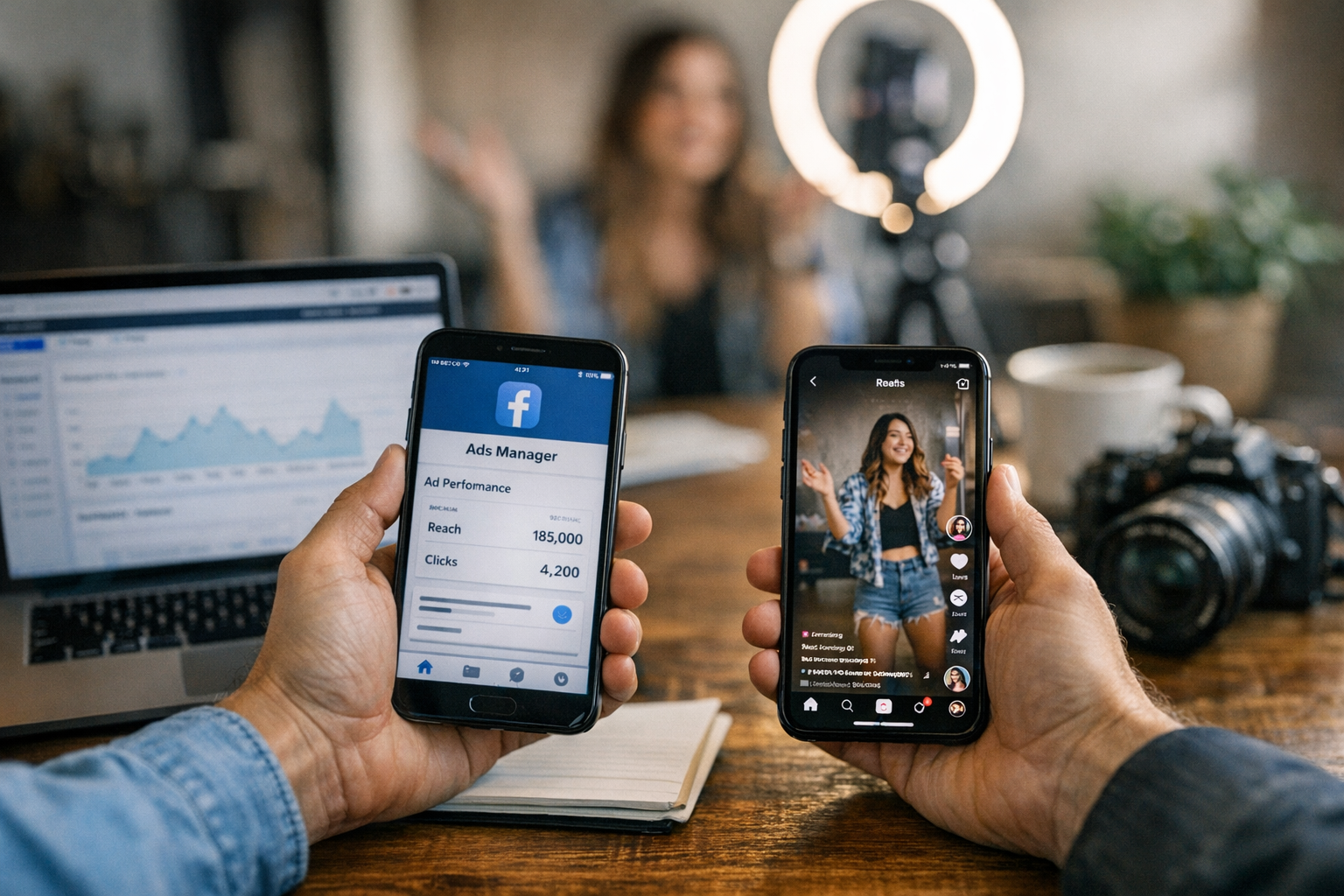
Let’s face it: if you’re trying to make your brand blow up online in 2026, “going viral” isn’t just a buzzword—it’s a mission statement. But here’s the million-dollar question: where do you put your money for the best shot at that sweet, shareable magic? Facebook Ads or Instagram Reels?
These two platforms dominate the social media marketing world but in wildly different ways. I’ve run enough campaigns on both to know this isn’t an apples-to-apples comparison. Each has strengths, quirks, and downright frustrating limitations. So let’s break it down and figure out which one delivers better viral ROI for your hard-earned dollars.
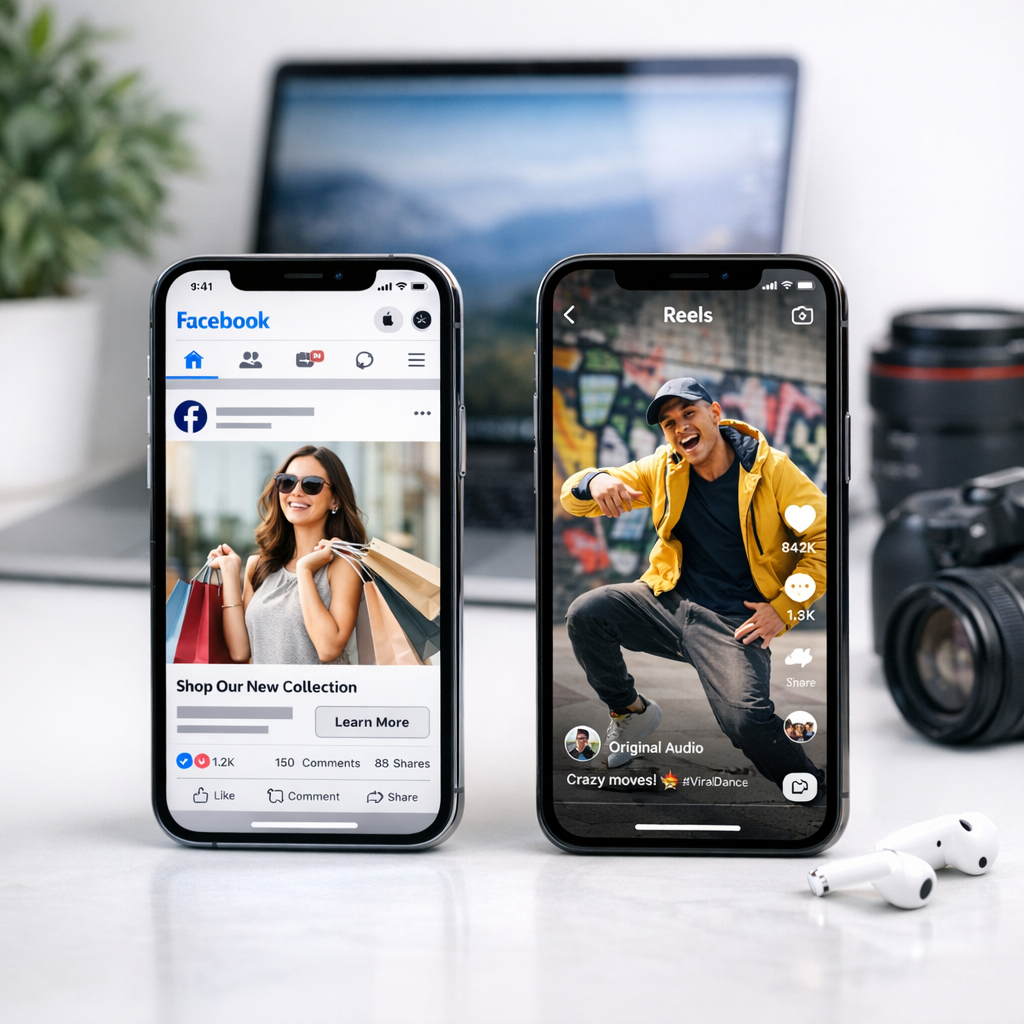
Why People Still Bet Big on Facebook Ads
Yeah, I hear you—”Is Facebook even cool anymore?” But don’t confuse relevance with reach. Facebook is still the king of paid advertising if you’re playing the numbers game. With over 2.9 billion monthly active users, this platform remains unmatched in scale.
But size alone doesn’t make it the winner. What makes Facebook Ads a powerhouse is its ridiculous targeting precision. You’re not just guessing who might click—you’re slicing and dicing audiences by age, interests, shopping behavior, and even relationship status (seriously). That’s gold if you want to go viral within a specific niche.
Case Study: Local Boutique Goes National
Take this example from last year: we worked with a Texas-based boutique selling handmade jewelry. With $500 in ad spend, we targeted women aged 25–45 who had recently clicked on Etsy ads or followed similar brands like Mejuri. The result? Over $7,000 in sales from just one campaign—and their video content went viral among regional influencers.
Facebook’s lookalike audience feature was clutch here; we cloned their most engaged customers and scaled quickly without blowing through the budget.
The Drawbacks
But here’s my beef with Facebook Ads in 2026: they’re expensive as hell compared to a few years ago. The average CPC (cost per click) has jumped by nearly 40% since 2024, thanks to rising demand and changes in Meta’s auction system. If you’re not careful, you’ll burn cash faster than you can track ROI.
Also, let’s be honest—Facebook isn’t exactly hip with Gen Z anymore. If your target audience is under 25, good luck getting them off TikTok or Instagram long enough to care about your ad.
Instagram Reels: The Viral Goldmine
Now let’s talk about Instagram Reels—the younger sibling stealing all the spotlight lately. Reels have turned into the place for snappy, creative video content that gets shared like wildfire (or at least that’s the dream). What makes this format so compelling is its natural fit for organic virality—if your content slaps, people will find it without you having to pay for massive visibility right away.
Why Reels Shine
Reels thrive because they leverage Instagram’s algorithm differently than Stories or static posts do. Unlike your typical feed content—which mainly reaches followers—Reels are designed for discovery via Explore pages and hashtags.
In fact, according to Meta’s own Q1 2026 report (yes, there are still reports despite all their layoffs), videos account for 80% of all engagement on Instagram, with Reels leading that charge.
The real kicker? Producing Reels costs less than running polished ad campaigns on Facebook because raw creativity trumps overproduced fluff here. Think clever transitions over high-budget cinematography—it feels more authentic to viewers scrolling late at night.
How to Repurpose TikTok Content for Maximum Engagement on Pinterest: Practical P
A Reel Success Story
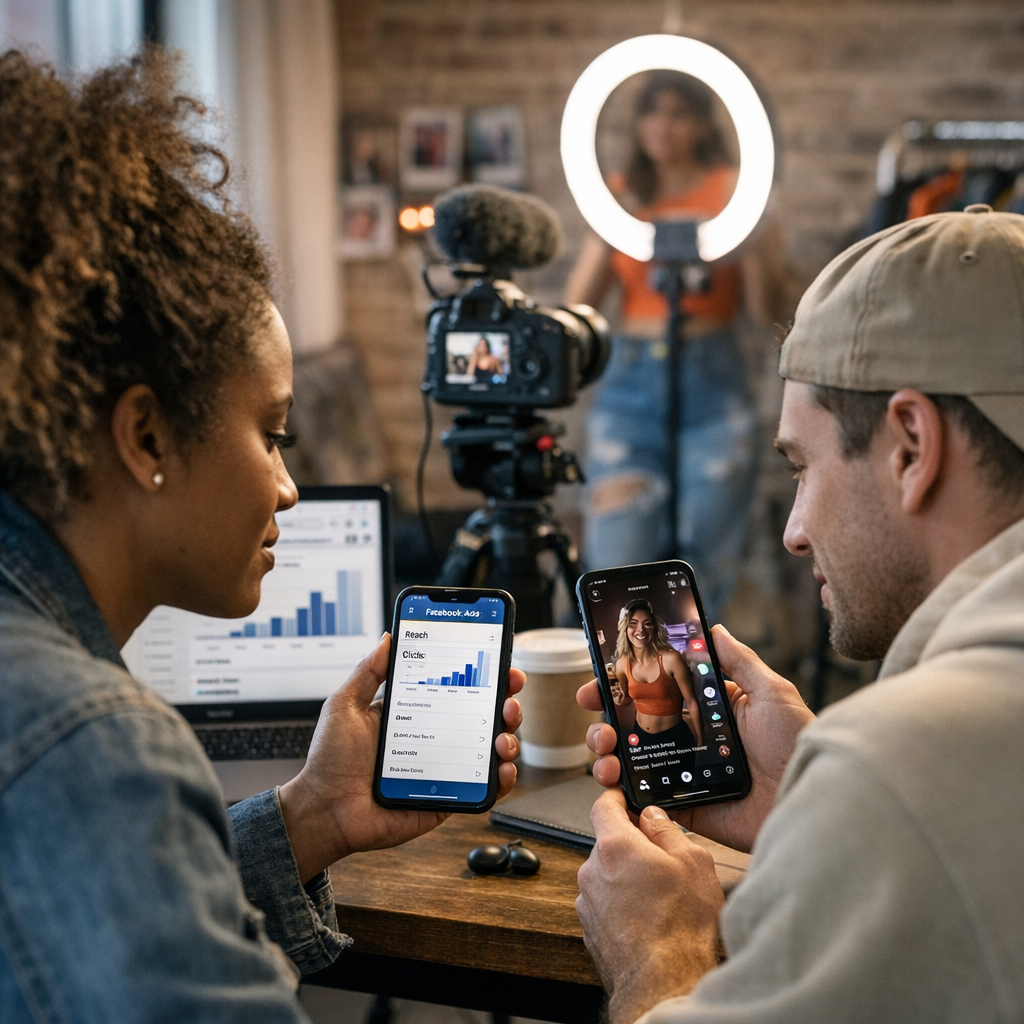
We recently tested this theory with an indie skincare brand launching a new serum line aimed at eco-conscious millennials (you know the type—kombucha sippers who read ingredient labels religiously). Instead of dumping budget into ads upfront, we created three standout Reels using UGC-style content filmed by influencers:
- One showed “unboxing” moments.
- Another featured before-and-after shots.
- The third was just quick tips narrated by an influencer mid-skincare routine.
In total? $1K spent on influencer collaborations led to 2 million views organically within two weeks—and doubled website traffic during launch week without any additional paid amplification!
Where It Falls Short
But don’t pop champagne yet—Reels aren’t perfect either when ROI is your main metric. For starters, tracking conversions directly from organic videos can feel like throwing darts blindfolded unless you’re pairing them with strong CTAs or link-in-bio strategies.
Also worth noting: while Instagram skews younger (with 65% of users under 35), its reach pales next to Facebook overall—so scaling beyond niche demographics can get tricky fast.
Let’s Talk Numbers: A Quick Comparison
Here’s how these platforms stack up side-by-side when measured against key metrics:
| Metric | Facebook Ads | Instagram Reels |
|—————————-|————————————|———————————-|
| Average CPM | $12–$18 | N/A (organic reach focus) |
| Average Engagement Rate | ~1% | ~4–7% |
| Best Age Demographic | 30–50 | Under 35 |
| Time-to-Virality | Slower (~2 weeks post-launch) | Faster (~48 hours max) |
10 Viral Campaign Ideas That Actually Work in 2026 (And How to Pull Them Off)
| Creative Costs | Higher ($500+/campaign assets) | Lower ($50–$200 per Reel) |
So…Which Is Better?
It depends—but here comes my hot take: Instagram Reels wins if virality is your goal and you’re working with limited resources or chasing younger eyeballs. It rewards clever ideas rather than deep pockets; plus, organic gains are huge if you nail the tone and trend timing right.
That said… if precision targeting matters more than speed—or scale takes priority over novelty—then Facebook Ads still holds its ground as an ROI beast despite rising costs.
Honestly? I’d argue most brands should use both strategically instead of putting all their eggs into one basket:
1. Use Facebook Ads’ hyper-targeting tools early on—for example, retarget existing customers or drive sign-ups.
2. Pair those efforts with scrappy but engaging Instagram Reels content aimed at broader awareness.
3. Funnel traffic back between platforms via smart linking strategies (learn more)!
And remember—it doesn’t matter where “viral” happens if no one clicks through after watching… so sharpen those CTAs too (learn more)!
Final Thought
Here’s what I love about today’s tools—they let us experiment endlessly till something sticks (learn more). Viral success doesn’t come from picking just one platform; it’s about using both smartly based on what stage of growth you’re tackling next!