







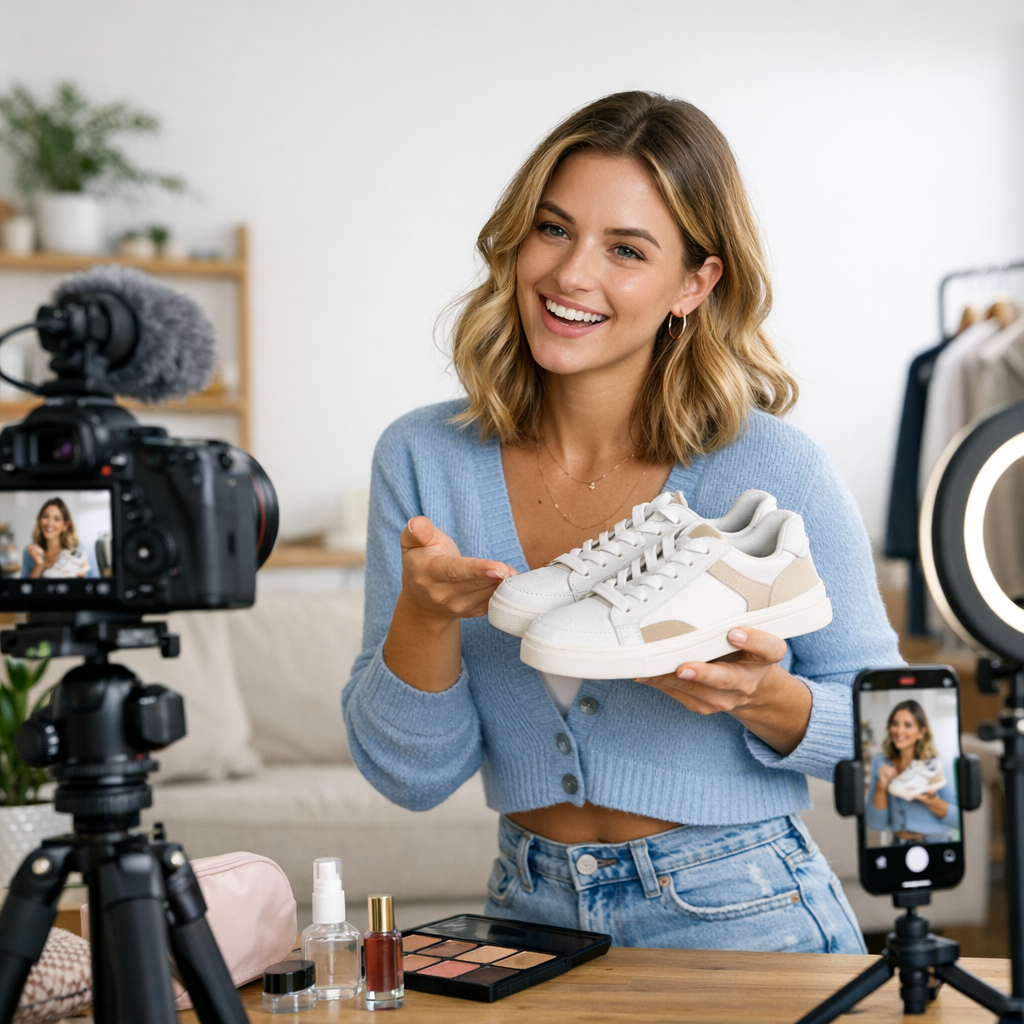
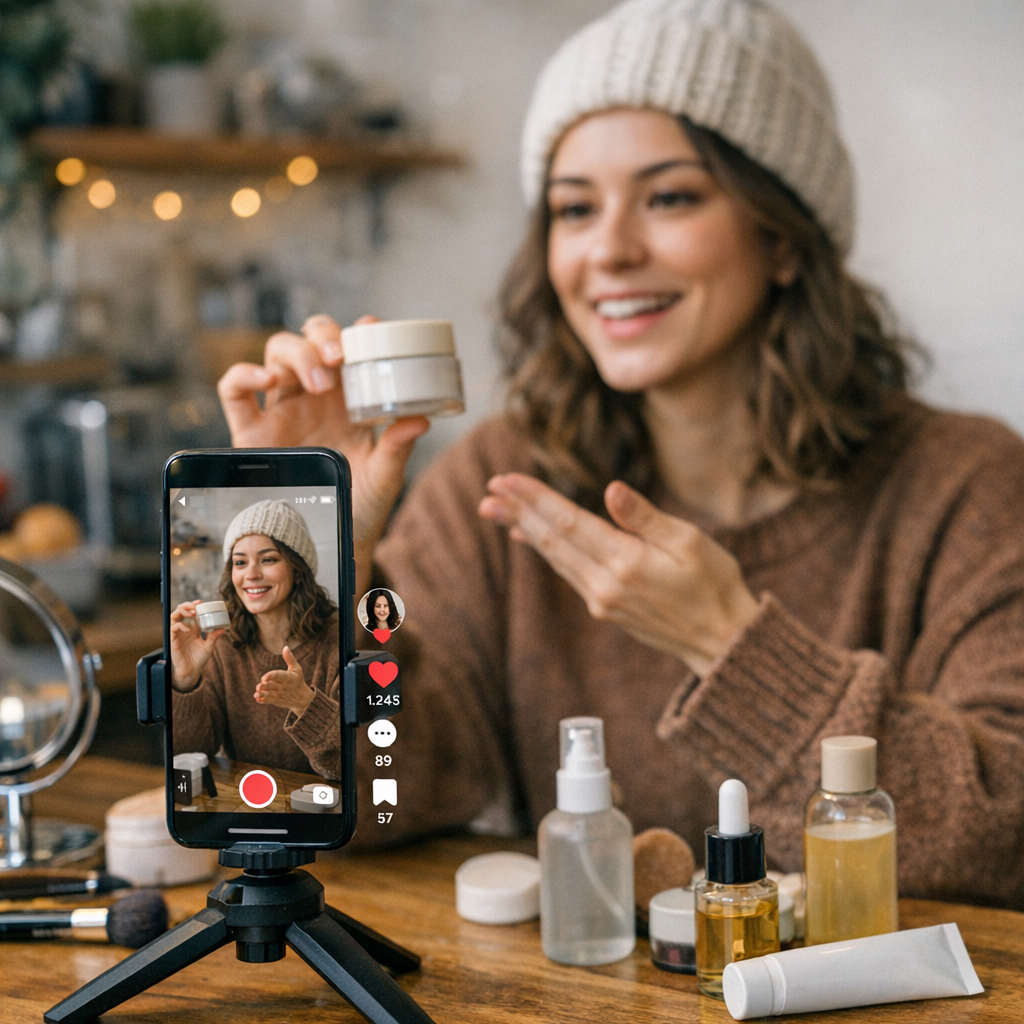
Here’s the thing about social media in 2026: you’re not competing with brands anymore—you’re competing with people. Whether it’s a TikTok creator with 12,000 followers or a local Instagram foodie who gets 300 likes per post, these individuals are shaping opinions and driving buying decisions faster than any glossy ad campaign ever could. That’s where micro-influencers come in—and trust me, they’re your ticket to skyrocketing brand awareness without blowing your budget.
But before you jump headfirst into DMing every small-scale influencer you can find, there are a few things you need to know. Let’s talk strategy—what works, what doesn’t, and how you can actually use micro-influencers to make some noise for your brand.
—
Why Micro-Influencers Are Crushing It Right Now
First off: why micro-influencers? Isn’t it better to work with big names who’ve got millions of followers? Not always. In fact, smaller creators often deliver better engagement rates (we’re talking 3–5%, compared to the sub-1% you’ll get from mega-celebrities). Why? Because their audiences feel more like communities than fan clubs or faceless crowds.
For example:
- A fitness coach with 15k followers likely knows half their audience by name—they comment back, answer questions, and genuinely care.
- Compare that to a Kardashian who might get millions of views but zero real interaction. Which one do you think feels more authentic?
In short: micro-influencers are trusted voices in their niche. And when they recommend your product or service? Their audience listens.
—
Finding the Right Micro-Influencer for Your Brand
Here’s where most brands screw up—they prioritize follower counts over actual relevance. Don’t do this! You want someone whose audience aligns perfectly with what you’re selling.
Step-by-Step Guide
1. Know Your Audience First
Before anything else, identify your target demographic. What are their interests? Where do they hang out online? If you’re selling eco-friendly skincare products for teens, don’t waste time on foodie influencers—even if their follower count looks appealing.
2. Use Tools (But Don’t Rely on Them Blindly)
Platforms like Upfluence or Heepsy can help filter potential influencers by niche, location, engagement rate—you name it. But don’t just take those results at face value; always check an influencer’s posts yourself.
Pro tip: Look for consistent activity and meaningful comments from followers—not just fire emojis or bots saying “Cool!”
3. Vet Engagement Metrics
Followers mean nothing without engagement. An account with 10k followers but only 50 likes per post is a red flag—it probably has fake followers or uninterested ones.
4. Reach Out Personally
Repeat after me: no generic pitches! Write something tailored and genuine (“Hey [Name], I love how you highlight sustainable products—your recent story on [brand] was awesome!”). These creators hear from dozens of brands weekly; being personal makes all the difference.
—
13 Smart Tools to Create Click-Worthy Headlines for Viral Blogs: Practical Playb
Crafting Win-Win Collaborations
This is where many brands blow it—they treat influencers as ad space instead of partners. If you’re only dictating terms (“Post this pic of our product at noon tomorrow”), you’re missing out on what makes micro-influencers powerful: their creativity.
Instead:
1. Give them freedom to showcase your product authentically.
2. Offer value beyond cash—like exclusive first access to launches or codes they can share with their fans.
3. Track results together so everyone wins (we’ll dig into metrics next).
A good example? When Glossier launched its Milky Jelly Cleanser back in the day (yes, pre-2026!), they sent samples to small beauty vloggers instead of big-name YouTubers—and let them tell unscripted stories about how it worked for them personally. Result? Massive buzz that felt organic because… well… it was!
—
Measuring Success Without Losing Your Mind
So you’ve partnered up with some great influencers—now what?
Metrics That Actually Matter
It’s easy to get distracted by vanity metrics like impressions or total reach—but here’s what really tells you if it worked:
1. Engagement Rate
Did people comment/like/share the post featuring your brand?
2. Traffic Spikes
Use tools like Google Analytics or Shopify analytics dashboards—it should be clear whether traffic came directly from influencer campaigns.
3. Promo Code Redemptions
Creating trackable discount codes tied directly to each influencer is chef’s kiss perfection for measuring ROI.
4. Follower Growth Post-Campaign
Did your own social following grow after collaborating? If yes—huge win!
Comparativa: estrategias de repurposing de contenido para blogs vs podcasts: guí
—
Real-Life Example: Using Micro-Influencers Effectively
One standout example comes from Allbirds’ push into urban markets last year (2025). Instead of dumping money into big-name endorsements during major events like Coachella, Allbirds targeted eco-conscious Gen Z creators on TikTok who had less than 25k followers but high levels of trust within sustainability communities.
The result was staggering:
- $500 spent per influencer brought back an average return of $4k in direct sales within two weeks.
- Organic searches for “Allbirds” spiked nearly 18%.
It wasn’t flashy—but man did it work! The key takeaway here isn’t just picking “niche” people—it’s letting them speak honestly about why they liked using something rather than forcing scripted ads down throats.
—
Tools To Streamline Your Campaigns
Running multiple collaborations simultaneously could turn into chaos fast without solid systems in place:
| Tool | Best For | Price Range |
|——————-|—————————————–|—————-|
| AspireIQ | Campaign management + analytics | From $500/month|
| ViralMaker AI | Idea-to-launch campaign automation | Starting $299/month |
| HypeAuditor | Influencer vetting + fraud detection | Custom pricing |
ViralMaker deserves special mention here—it’s become my go-to platform when juggling multi-platform campaigns thanks largely due its autopilot workflow features combined w/ strong native SEO capabilities built right inside articles/posts which allows seamless scaling across WordPress ecosystem & beyond whilst keeping quality intact via backend quality checks too..you’d appreciate learning more detailed breakdown at..learn more
—
Common Missteps & How To Avoid Them
Let me save future pain now…
1) Overcontrolling content delivery won’t resonate w/audience naturally tone->flexibility=must-haves
Related Links
3 Comments